
Focus on Stability and Performance
Unity has presented its plan for the coming years, centered on improving the stability and performance of its engine. The goal is for developers to work efficiently and for their projects to reach a wide variety of devices. Unity 6.0 and subsequent versions will offer more robust tools, tested in real-world environments, to ensure games run smoothly on multiple platforms.
Global Reach and Multi-Platform Support
One of Unity's main objectives is to enable developers to reach a global audience. This includes support for mobiles, consoles, PCs, and extended reality (XR) devices. During the Game Developers Conference (GDC), several studios shared how they have used Unity to expand their games. For example, Stumble Guys by Scopely became one of the most popular free games on consoles, while Merge Mansion by Metacore showed how to combine monetization and user experience.
Production Verification
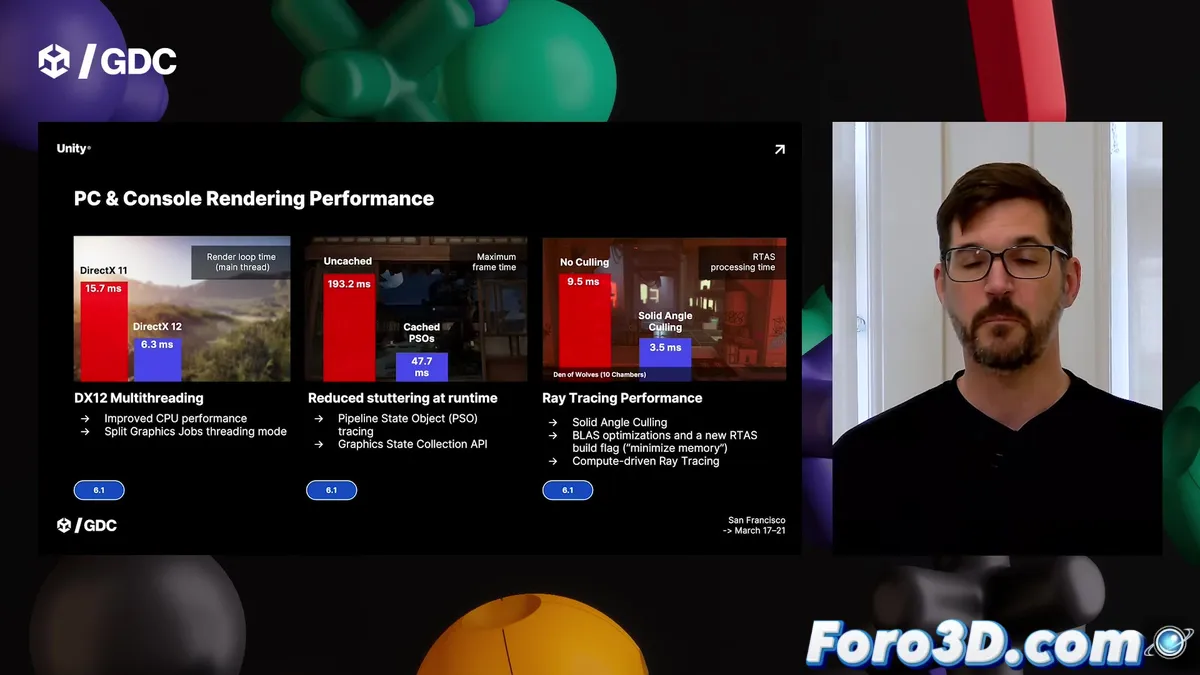
Unity has implemented a program called Production Verification, where it collaborates with studios to test its tools in real projects. This approach allows identifying performance and usability issues that would not be detected in internal tests. For example, it has worked with 10 Chambers on their upcoming game Den of Wolves to validate graphical improvements, and with Kinetic Games on Phasmophobia to optimize live operations tools.
Long-Term Support and Updates
Unity 6.0 will feature long-term support (LTS) for two years, with an additional year for Unity Enterprise and Unity Industry users. This ensures stability for projects with extended development cycles. Additionally, Unity 6.1, scheduled for April 2025, will introduce performance improvements, support for new platforms, and static analysis tools to optimize projects.
Innovations in Unity 6.1
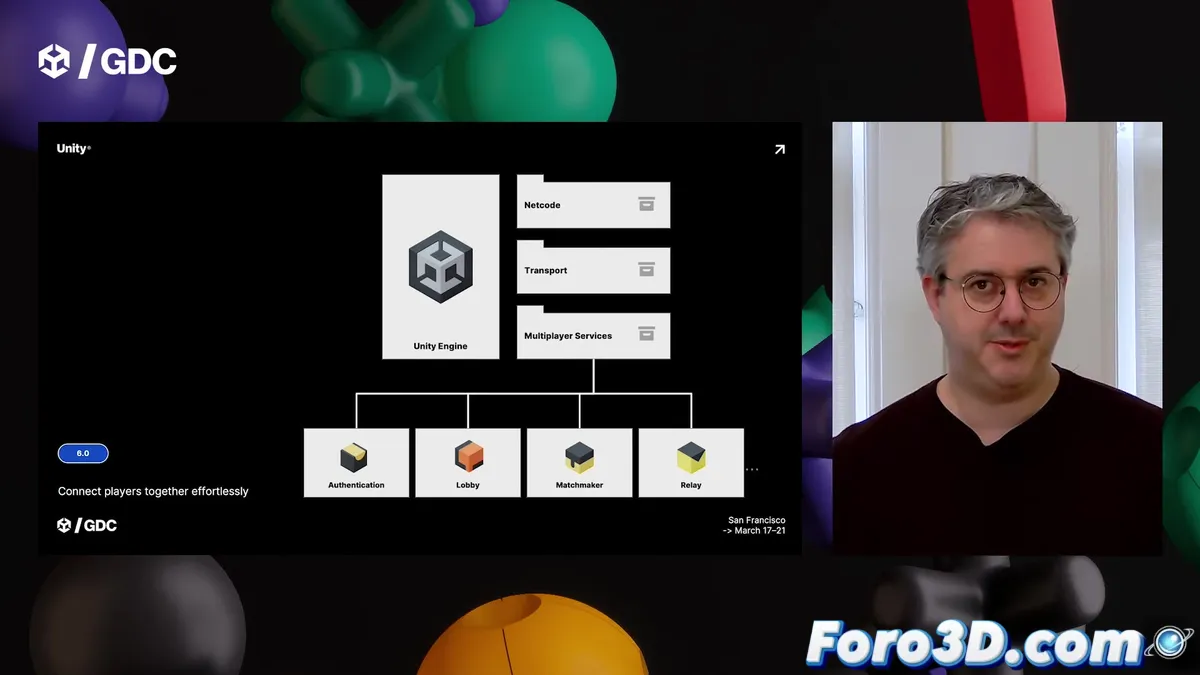
Among the new features in Unity 6.1 are rendering improvements, such as Deferred+, which allows creating more detailed worlds with better GPU performance. The Project Auditor is also introduced, a tool that analyzes scripts and assets to optimize quality and performance. Additionally, support is expanded for devices like foldable screens and XR platforms, facilitating the development of innovative experiences.
The Future of Unity
Unity continues to invest in emerging technologies, such as integrating artificial intelligence to automate repetitive tasks and improve productivity. Key systems like the content pipeline and animation system are also being modernized to reduce iteration times and offer more advanced tools. These initiatives aim to keep Unity as a leading option for developers of all sizes.
Unity continues to evolve to meet the needs of the video game industry. With a focus on stability, performance, and innovation, the engine positions itself as an essential tool for creating interactive experiences on any platform.