The VFX and animation sector faces significant challenges in 2025. A decrease in content production, studio closures, and the effects of recent strikes have marked a complex landscape. However, these challenges also present new opportunities driven by artificial intelligence (AI) and emerging technologies.
Impact of Recent Changes
The impact of recent strikes and the slow economic recovery have adjusted the job landscape. Although some studios have closed, the industry remains a key pillar of entertainment. These changes are redefining the necessary skills, pushing professionals to adopt modern tools and processes.
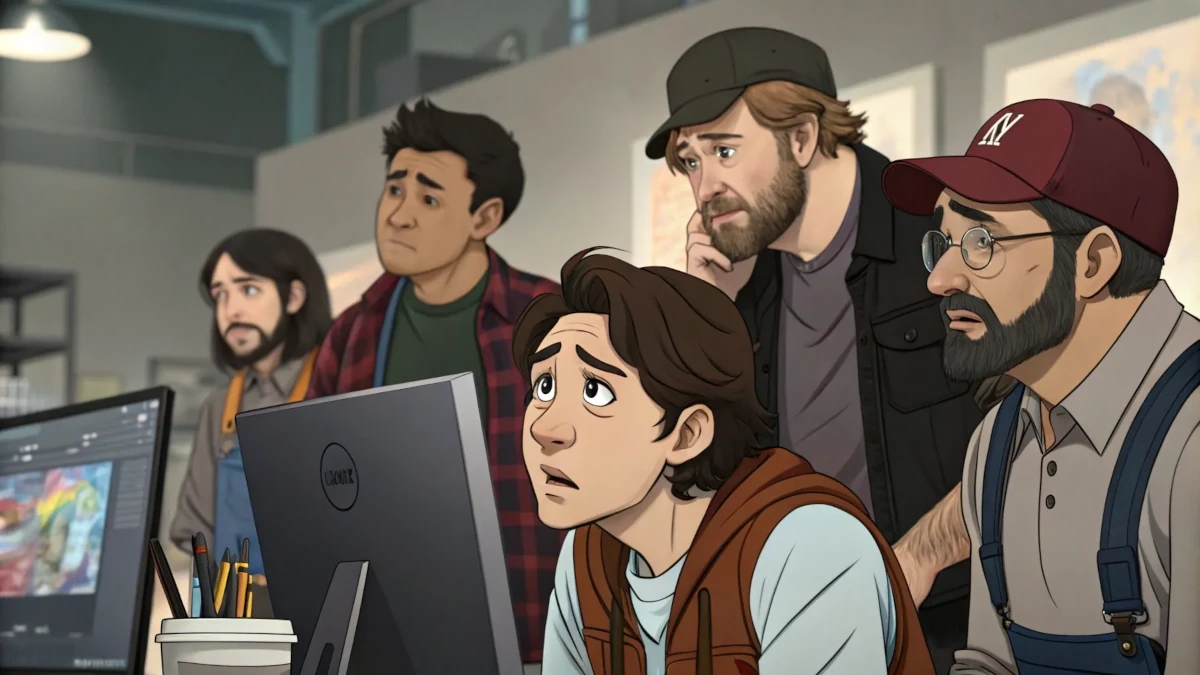
Opportunities with Artificial Intelligence
The growing influence of AI generates uncertainty, but it also drives innovative areas such as virtual production and real-time rendering. These technologies not only streamline processes but also open new creative possibilities for artists.
"The VFX sector is not in absolute decline, but in transformation."
The Transition to New Skills
While some traditional roles may be displaced, the transition is giving rise to new fields like real-time animation. Adapting to these trends will be crucial to thrive in this changing environment. The advantages are within reach for those who adopt an innovative approach.
- Decline in content production.
- Advances in AI-based tools.
- New opportunities in virtual production and real-time animation.
In this period of transformation, success will depend on artists' ability to evolve alongside technology. The future of the VFX sector is not defined by decline, but by its potential for adaptation and innovation.