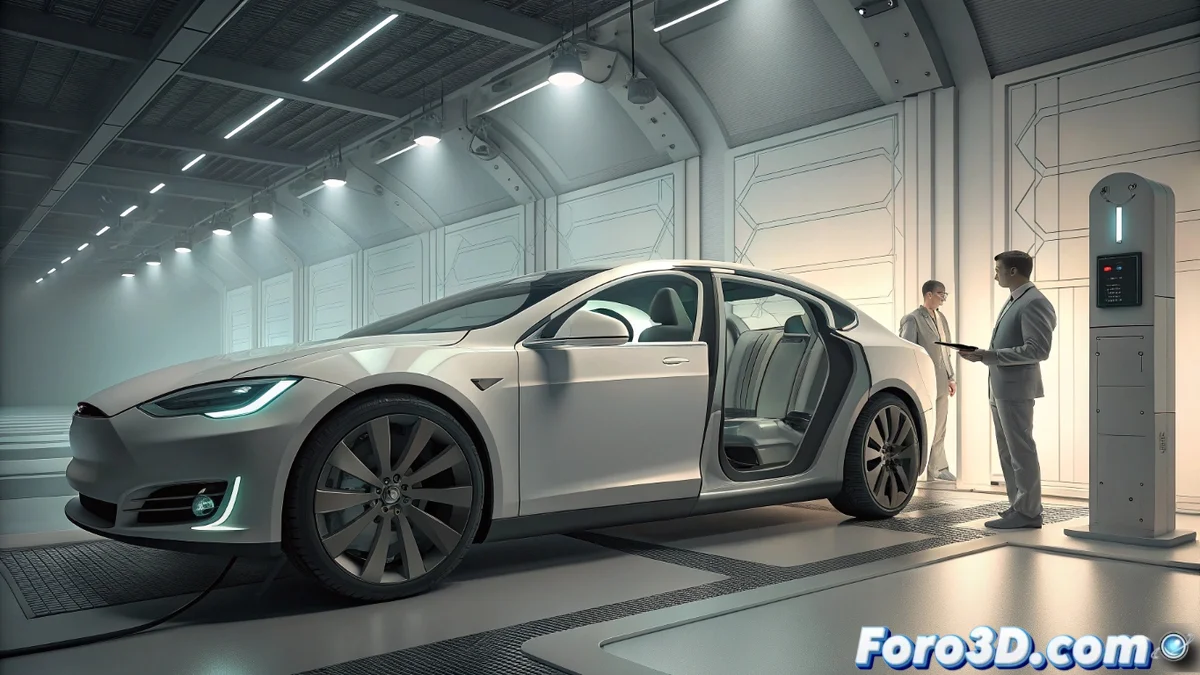
The Future of the Automobile: Digital Platform vs. AI Integration
The vision of the automobile as a smart gadget on wheels, popularized by Tesla, now permeates the entire industry. Manufacturers no longer just sell a mechanical product, but a digital platform that can improve over time through remote software updates. This allows adding features and processing data to personalize the user experience. 🚗💻
Investment in Artificial Intelligence is Redefined
Despite this unstoppable trend, the analysis firm Gartner projects a different landscape. Its report indicates that by 2029, only a 5% of automobile manufacturers will maintain significant investments in developing their own artificial intelligence. The main reason is the high cost and complexity of maintaining these systems, leading many brands to consider that it is not part of their core competency.
The path that most brands will take:- Acquire AI capabilities through specialized external providers.
- Establish strategic alliances with technology companies to integrate these systems.
- Avoid the enormous investment in researching and developing complex algorithms internally.
Perhaps the true luxury will not be the leather of the seats, but having your own server on wheels that shares data with no one.
The Battle for the Car's Digital Brain
This forecast paints a divided future for the industry. On one hand, a few companies, like Tesla, will pursue the vertical integration model, controlling the entire technological stack of the vehicle. On the other hand, the vast majority will rely on third parties to endow their models with intelligence. Competition no longer focuses solely on design or engine power, but on who owns and manages the digital brain that decides, learns, and optimizes the onboard experience.
The two key strategies that emerge:- Manufacture the chips and software: Total control over the technology, but with high costs and risks.
- Buy the solutions: Agility and access to the best in the market, but with external dependency.
- The automobile as a device forces a choice between being a full-fledged manufacturer or an integrator.
Conclusion: Specialization versus Control
The automotive sector faces a fundamental dilemma. Turning the car into an updatable software platform is the present, but the ability to endow it with autonomous and proprietary intelligence will make the difference. Gartner's report suggests that specialization and alliances will be the route for the majority, reserving the path of complete vertical integration for a few. Future value will reside as much in the data that is processed as in the mechanics that transport it. ⚙️🤖