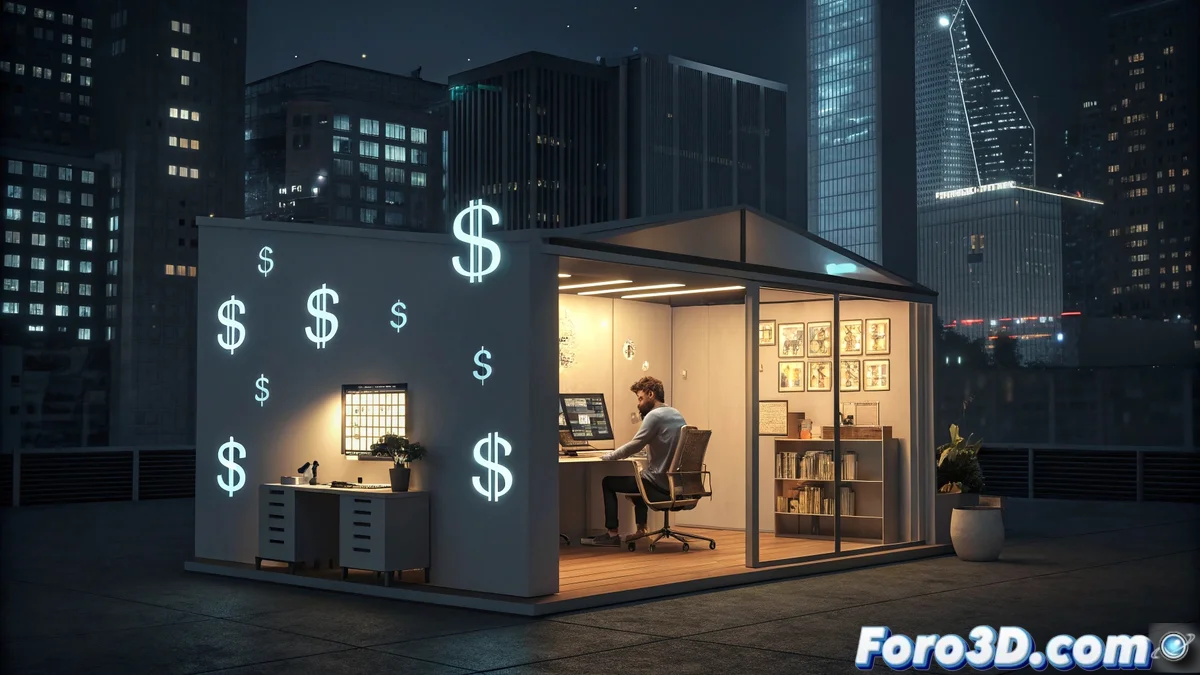
The Future of Paid Artificial Intelligence and Its Impact on Creators
For years, we've been enjoying artificial intelligence tools that seemed too good to be true: ChatGPT, Midjourney, and Canva offering their services for free or very cheaply. But as they say, there's no such thing as a free lunch forever in the tech world 🍽️. Amazon, Apple, and Samsung are already laying the groundwork to monetize their AI assistants, with Alexa, Apple Intelligence, and Galaxy AI likely moving toward subscription models. This strategic shift aims to avoid the mistake made by the media industry, which gave away content for years without a clear monetization plan. The problem is that this transition could have unintended consequences for those who rely most on these tools: independent creators.
The era of free AI is coming to an end, and the impact on independent creativity could be significant.
The Challenge for Independent Creatives
The drama is palpable in the artistic community. 60% of artists earn less than $10,000 annually, according to recent data, and many freelancers operate on such tight margins that an additional monthly subscription could be the straw that breaks the camel's back 💸. Imagine having to choose between paying $70 monthly for an AI tool or paying studio rent. This situation could push many creators toward economic unviability, especially those just starting their careers and relying on these tools to compete in the market.
Alternative Models and Ethical Approaches
Not all is bad news in this changing landscape. Some companies are exploring more ethical and sustainable paths. Adobe is leading with initiatives like the Content Authenticity Initiative (C2PA), which promotes transparency and creators' rights. Its Firefly tool is trained exclusively on licensed or public domain content, setting an important precedent for the industry. In parallel, projects are emerging that implement micropayment and royalty systems, ensuring artists receive compensation when their work contributes to AI model training. 🤖
Adaptation Strategies for Creators
The data shows a complex but not entirely discouraging landscape. A recent study reveals that although the average value per design dropped by 64%, the order volume increased by 121%, resulting in a net 56% increase in revenue for those who knew how to adapt. The key seems to be incorporating AI without losing personal artistic identity. As Channel 4 points out, technology should free creators from repetitive tasks, not replace them entirely. Creatives who see AI as a collaborator rather than a replacement are finding new opportunities in this changing landscape. 🎨
An Uncertain Future Full of Possibilities
The current scenario presents both risks and opportunities. The growing dependence on AI tools could create a gap where only big studios can afford the best technologies, leaving small creators and freelancers behind. However, it also opens spaces for more equitable and creative economic models that properly value human work. In the end, like any marketing goal, the free acquisition phase is coming to an end… and now it's time to see who's willing to pay for real value. 😉