What the Organizations Are Saying
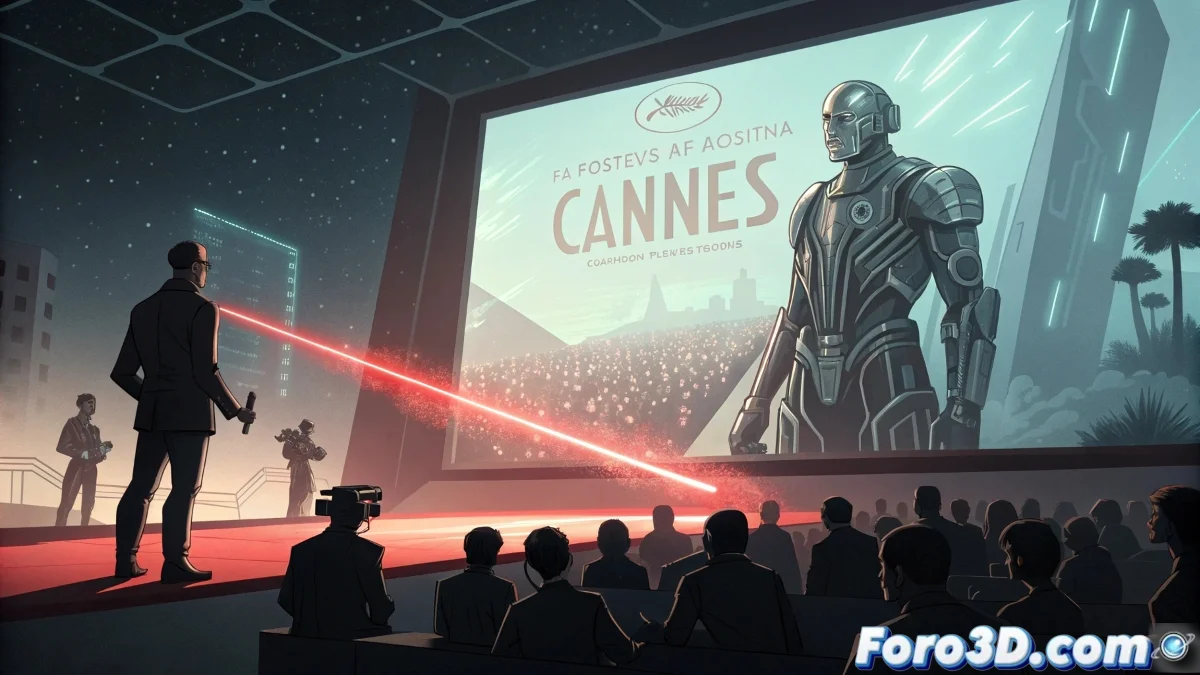
The mecca of European cinema has raised its voice against what it considers an unprecedented technological invasion. Eight prestigious French organizations, including the ARP and the SACD, have published a joint statement outright rejecting OpenAI's Critterz project. 😠 This animated movie, generated mostly through artificial intelligence and planned for premiere at Cannes, has unleashed a storm of criticism in the heart of the French film industry. The signatories argue that, although presented as a human-AI collaboration, it actually minimizes the fundamental role of human creators, screenwriters, and animators.
Concerns Over Copyright and Ethics
The ghost of questionable training practices haunts this controversy. The associations recall previous accusations against OpenAI for using protected works without authorization to feed its models, in veiled references to styles similar to Studio Ghibli. The letter warns of the danger of normalizing practices that violate copyright and devalue creative work. In a sector already facing multiple crises, they fear that projects like this could set dangerous precedents for fair compensation of artists.
Artistic creation cannot be dehumanized; French cultural talent is based on sensitivity, lived experience, and commitment
About the Critterz Project and Its Scope
The technical and logistical details of the project have generated skepticism among professionals. Critterz would have a budget of less than thirty million dollars and a development period of just nine months, timelines that the community considers unrealistically accelerated. This production speed, made possible by intensive use of AI, raises concerns about its potential impact on artistic quality and working conditions. The French industry views with alarm how efficiency could be prioritized over creative excellence.
Central Arguments of the Rejection
The French position is based on several fundamental pillars that go beyond simple technological rejection. These concerns reflect a deep vision of the value of artistic creation and its protection.
- Dehumanization of art: AI lacks sensitivity, life experience, and emotional commitment, essential elements of French cinema
- Dangerous precedent: It could normalize the use of previous creations without adequate compensation to their original authors
- Labor impact: It threatens specialized jobs in animation and screenwriting in an already vulnerable industry
- Cultural standardization: Risk of aesthetic homogenization that compromises cinematic cultural diversity
Historical Context of French Resistance
This is not the first time France has positioned itself as a bastion in defense of cultural exception. The country has a long tradition of protecting its creative industry against external influences and disruptive technological changes.
- Historical policies of quotas for French content in cinemas and television
- Active resistance to Hollywood cultural globalization for decades
- Robust system of subsidies and state support for independent and auteur cinema
- Tradition of protests and joint statements from the cultural sector
Implications for the Future of Animation
This conflict goes beyond a single movie and points to a fundamental crossroads for the global animation industry. The decisions made now could shape the creative landscape for decades.
- Possible establishment of specific regulations for AI-generated content in Europe
- Definition of minimum percentages of human contribution in animated productions
- Creation of certifications distinguishing between traditional animation and AI-assisted animation
- Strengthening of international alliances between guilds and creators' associations
While OpenAI prepares its algorithms for Cannes, the heirs of Lumière passionately defend with Gallic fervor that the soul of cinema cannot be reduced to binary code. 🎬 Because, in the end, what would the seventh art be without the unfathomable mystery of human creativity?