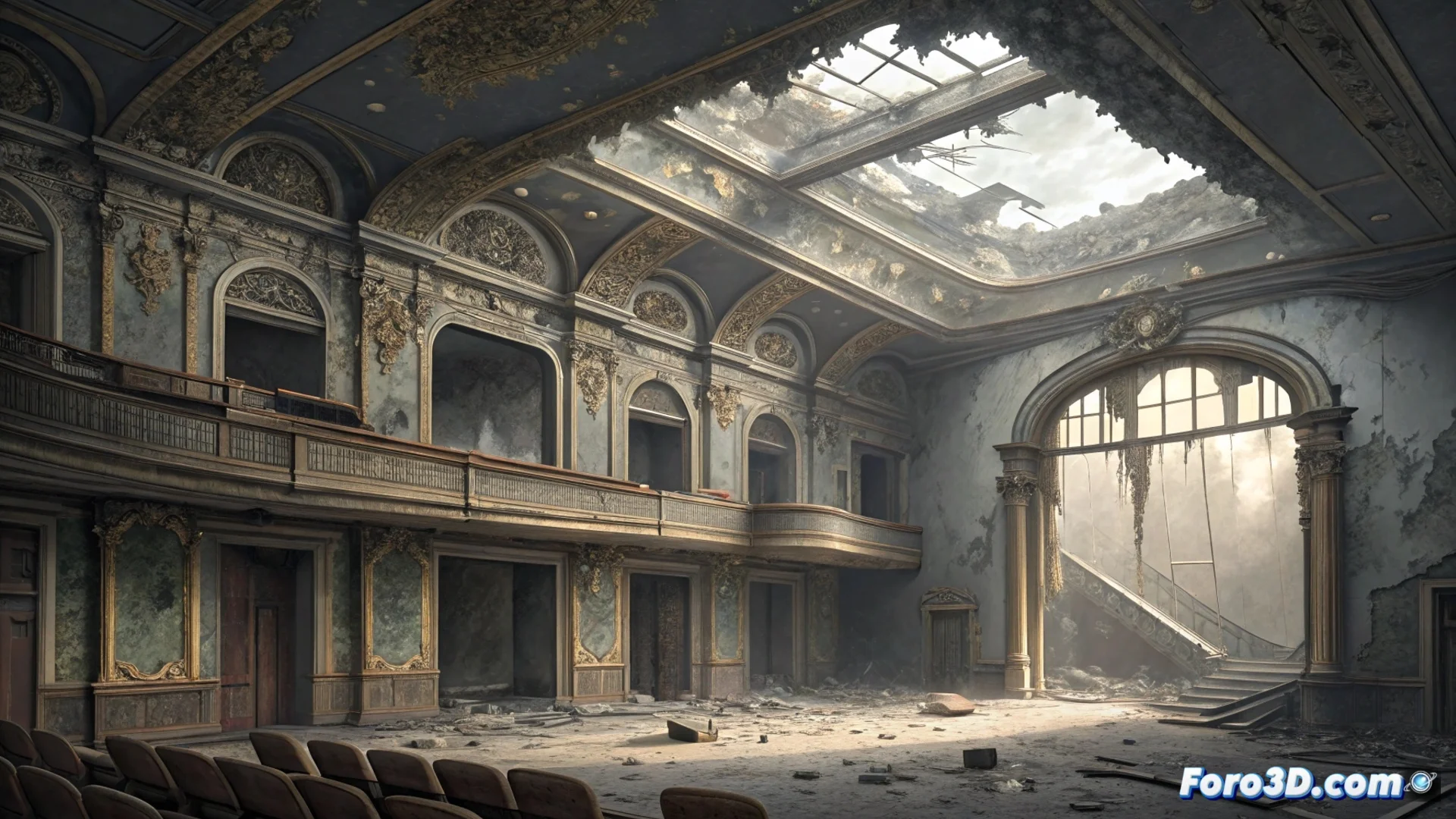
The Fleta Theater in Zaragoza: A Rehabilitation That Never Arrives
In the heart of the Aragonese capital, the Fleta Theater has had its doors closed for more than twenty years. This building, dating back to 1928 and once a cultural benchmark, is immersed in a restoration process that drags on without an end date. Although plans are announced and resources are invested, the building fails to be reborn, remaining as a consolidated ruin awaiting a definitive solution. 🏛️
A Succession of Truncated Initiatives
The recent history of the Fleta is defined by a chain of failed projects. Various administrations and private entities have presented proposals to recover the space, some including a hotel or an auditorium. Each announcement generates expectations that then fade when the works are halted. The reasons are recurrent: financing problems, changes in local government, or technical complications. This cycle repeats, leaving the theater in a physical and legal limbo that prevents any tangible progress.
Main documented obstacles:- Lack of a stable agreement on who finances the entire work.
- Changes in administrations' priorities with each legislative term.
- Technical difficulties in adapting a historic building to modern regulations.
The Fleta Theater is Zaragoza's longest reform project, surpassing the duration of any show it hosted.
Current State and Controversy Over Its Future
Currently, the main structure remains standing, but the interior is degrading progressively. Citizen groups and cultural agents pressure for action, emphasizing its heritage value and the potential it holds for the city. The debate focuses on how to execute the works, what use to give the space, and which entity should assume the main investment. While these discussions continue, the theater remains unchanged.
Key points of the current debate:- Define whether the final use will be purely cultural or mixed (cultural-commercial).
- Establish a viable and sustainable management and financing model.
- Find a formula that respects the historical essence of the building.
A Symbol of a Widespread Problem
The Fleta case transcends the local to become a clear emblem of the complex and eternalized rehabilitation processes affecting part of Spain's architectural heritage. Its history reflects the systemic difficulties in coordinating wills, funds, and long-term plans. The wait continues, and with it, the slow deterioration of a piece of Zaragoza's history. ⏳