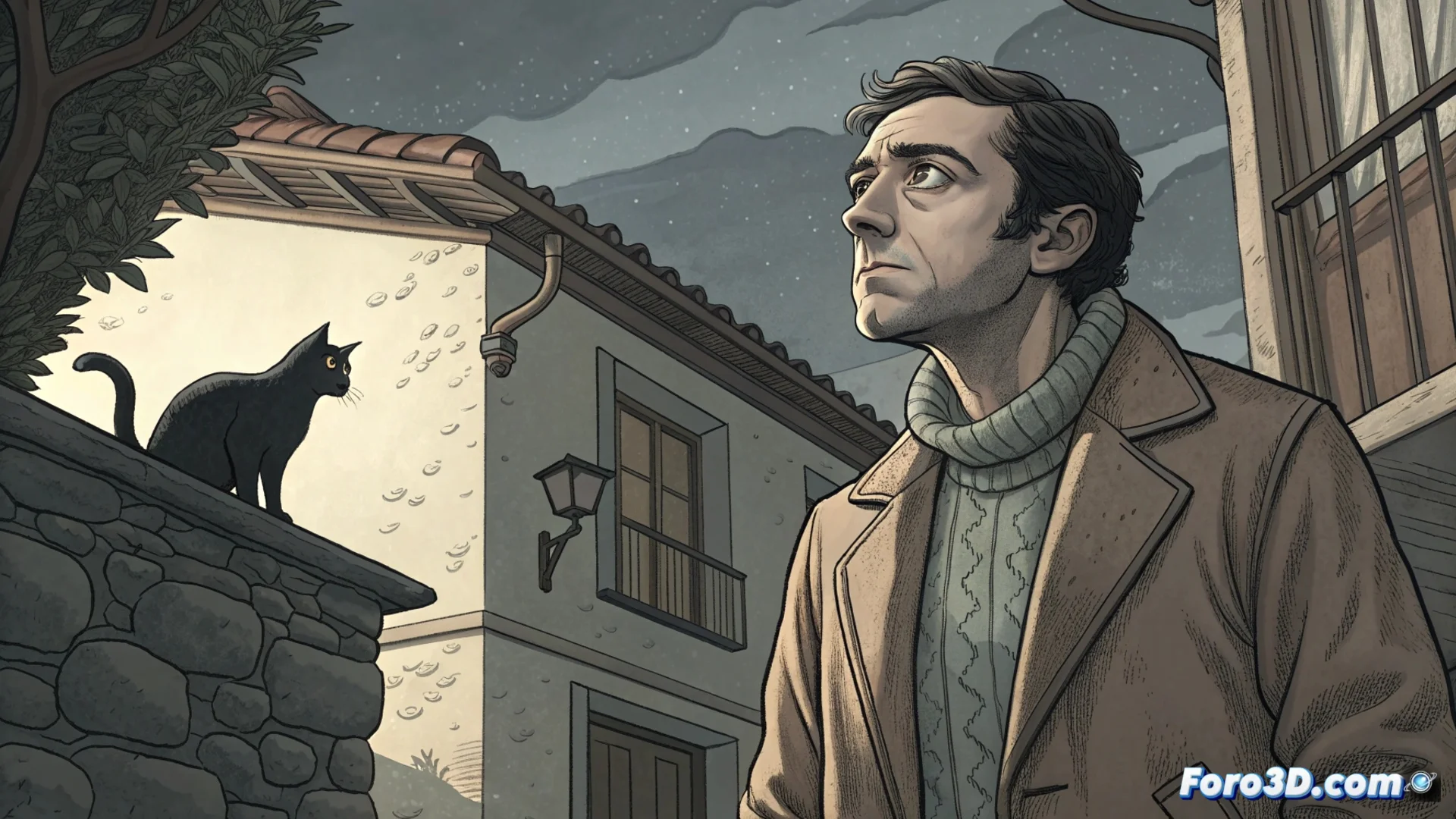
The Filth: Grant Morrison and Chris Weston Explore Identity
In The Filth, Grant Morrison builds a story where the apparent and the hidden collide. Greg Feely seems like an ordinary citizen who only takes care of cats, but in reality he is an agent of The Hand, an organization tasked with purging what the system catalogs as impure or deviant. This duality serves to dissect how the normal is defined and what is repressed in society. 🌀
Visual Contrast as a Narrative Tool
Chris Weston brings the visual component with a hyperrealistic and clinical style. This meticulous approach, full of details, creates a tangible foundation for Morrison's abstract and surreal ideas. By drawing bodily horror and the strange with photographic precision, the art forces the reader to confront these images without the buffer of abstraction. This visual tension reinforces the central themes about conformism and the fragility of personal identity.
Key Features of Weston's Art:- A graphic realism that anchors the surreal, making the impossible seem palpable.
- A deliberate contrast between the clinical linework and the visceral situations depicted.
- The construction of a coherent visual reality where the repulsive integrates as part of the landscape.
The art not only illustrates but builds the tangible reality of The Filth, where the grotesque is normalized.
A Narrative that Challenges Linearity
The plot follows Feely's mission for The Hand, which intertwines conflictively with his personal life. Morrison does not tell a linear sequence of events, but presents a series of connected ideas and fragments. This structure requires the reader to activate their thinking to piece together the parts and understand the critique of the reality that society builds and the cost of keeping it artificially clean.
Central Elements of the Narrative:- The fusion of the personal and the collective, using Feely's life to talk about social fetishes and fears.
- A narrative method that prioritizes conceptual ideas over conventional plot.
- The exploration of how the individual negotiates their place within a system that dictates what is acceptable.
The Central Irony of the Work
The final paradox of The Filth is profound: it is a story about cleaning filth that is deliberately stained with visceral images and uncomfortable concepts. The comic itself becomes a subversive artifact, the kind of material that The Hand organization itself would seek to eliminate. This irony reinforces Morrison's question about who has the authority to define what is clean or dirty, normal or aberrant, in a surreal journey that leaves a lasting mark. 🤯