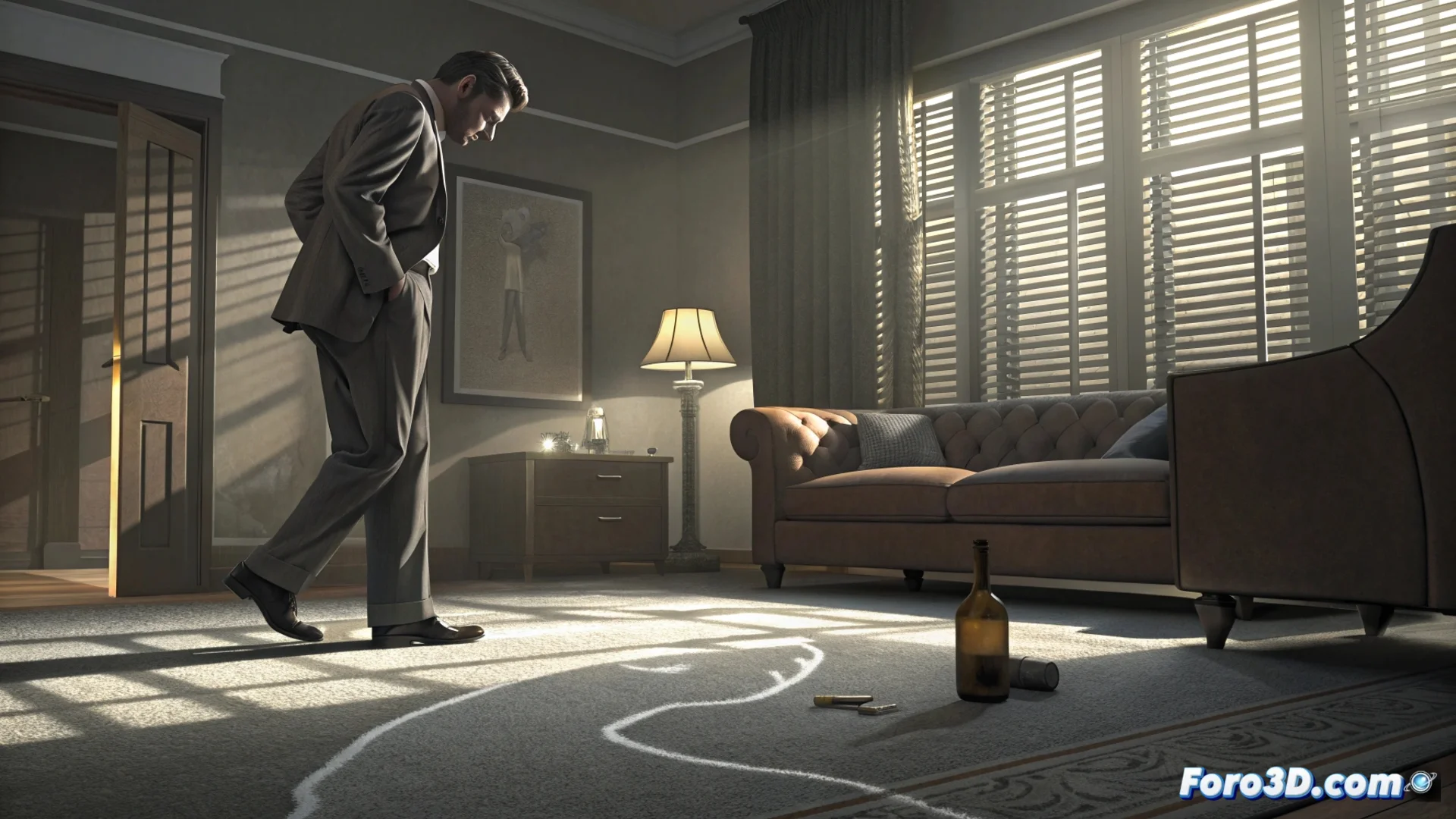
The Fade Out: a graphic novel that unveils Hollywood's secrets
The plot places us in 1948 Hollywood, where screenwriter Charlie Parish struggles with his alcohol addiction. Waking up with a severe hangover, he discovers that a young actress has died and remembers nothing from the previous night. Fearing his involvement, he is forced to investigate what happened, which drags him into a web of secrets that the powerful cinematic machinery intends to keep hidden. 🕵️♂️
Visual art that defines the atmosphere
The artist Sean Phillips builds a world with a realistic and detailed style that captures the essence of the golden age. His characters show charged expressions and the settings overflow with atmosphere. The colorist Elizabeth Breitweiser applies a palette that evokes Technicolor but with a somber filter, using warm tones for the studios and cold ones for moments of danger. Together, they make light and shadow key narrative elements.
Key elements of the art:- Graphical expressiveness: The strokes define the psychological state of the characters and the paranoia of the environment.
- Narrative color palette: Warm and cold tones guide the emotion and mark the pace of the investigation.
- Cinematographic composition: The pages are structured like movie shots, conveying glamour and decadence.
Solving a murder is complicated when your biggest clue is a blank in your memory and your most reliable ally is a bottle of bourbon.
A critique beyond the mystery
The novel works as a sharp critique of Hollywood's myths. It explores how the system manufactures dreams on screen while it can destroy lives behind the sets. It shows the hypocrisy of imposing strict codes of conduct on the public while allowing anything in private. The characters, from stars to writers, are trapped in a game where telling the truth entails enormous risk.
Central themes of the work:- Manufacturing dreams: How the industry creates illusions for the public.
- Hypocrisy of the system: The double standard between public image and private acts.
- Trapped characters: Individuals struggling to survive in a corrupt environment.
Narrative and deliberate pacing
The story progresses with a deliberate pace that allows delving into this world and its moral conflicts. It's not just about following Parish's investigation, but understanding the complete ecosystem that allows these secrets to exist. The blend of mystery, drama, and social critique offers a dense and satisfying read that goes beyond the conventional crime genre. 🎬