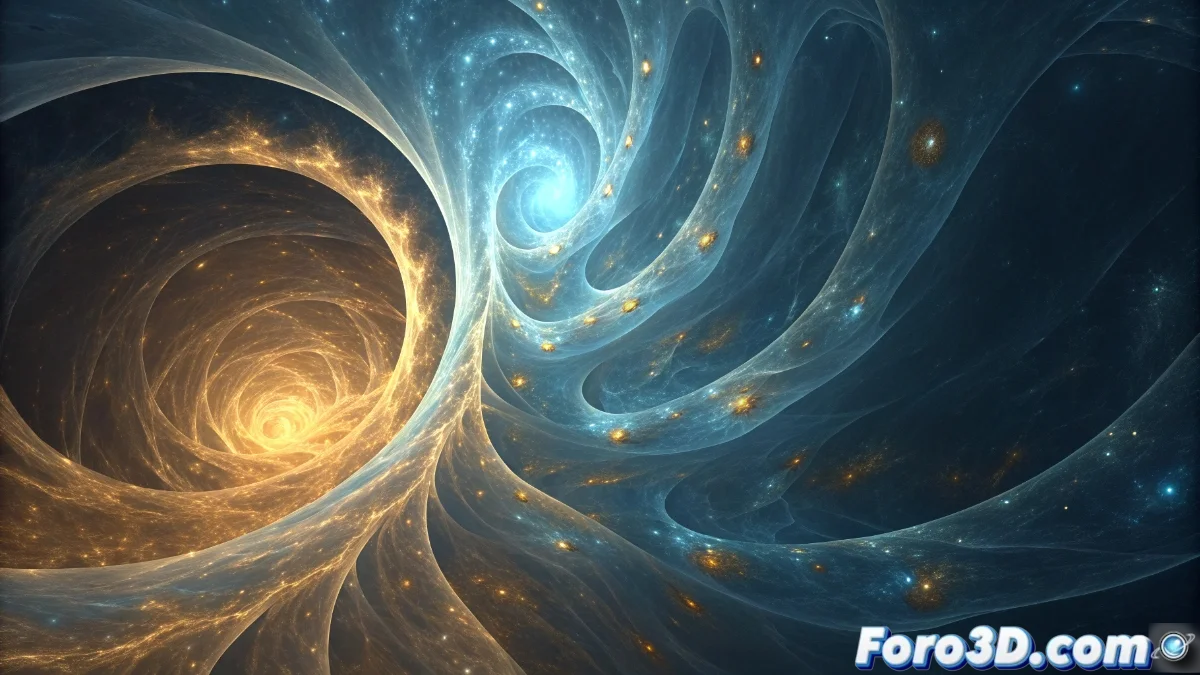
The Evolution of Emotional Shaders in Computer Graphics
Contemporary shaders are exploring creative territories that go beyond technical realism, focusing on transmitting emotional states through chromatic transformations, geometric alterations, and reactive surfaces 🎨.
Advanced Techniques for Generating Emotional Atmospheres
Digital artists implement programmable gradients that evolve according to the narrative context, combined with dynamic normal maps that deform geometries to express psychological instability. The integration of particle systems with custom attenuation generates surreal environments, while post-processing shaders apply effects like vignetting, chromatic aberration, and differential blurs to direct the user's emotional attention.
Key Tools for Emotional Shaders:- Programmable color gradients that respond to contextual variables
- Surface distortion through dynamic normal maps
- Luminous particle systems with custom attenuation parameters
It is paradoxical how we have transitioned from the pursuit of perfect realism to the design of imperfections that generate human connection, as if technology were trying to replicate what makes us less perfect but more interesting.
Integration with Interactive and Narrative Systems
The true potential emerges when emotional shaders connect directly with game mechanics and user inputs, modifying visual parameters in real time according to the player's actions or character states. A shader | compute system can alter saturation, contrast, or visual interference patterns during moments of narrative tension, creating a symbiosis between interaction and visual response that deepens emotional immersion.
Real-Time Modulable Parameters:- Chromatic saturation and contrast according to emotional states
- Interference patterns and progressive visual distortion
- Intensity of context-based post-processing effects
The Future of Emotional Visual Expression
This evolution represents a fundamental shift in how we conceive computer graphics, transforming generic scenes into spaces charged with subjective meaning. Technical artists combine non-physical lighting algorithms with material parameters that react to contextual variables, establishing an emotionally resonant visual language that communicates sensations like melancholy, euphoria, or tension without relying on literal representations 🌟.