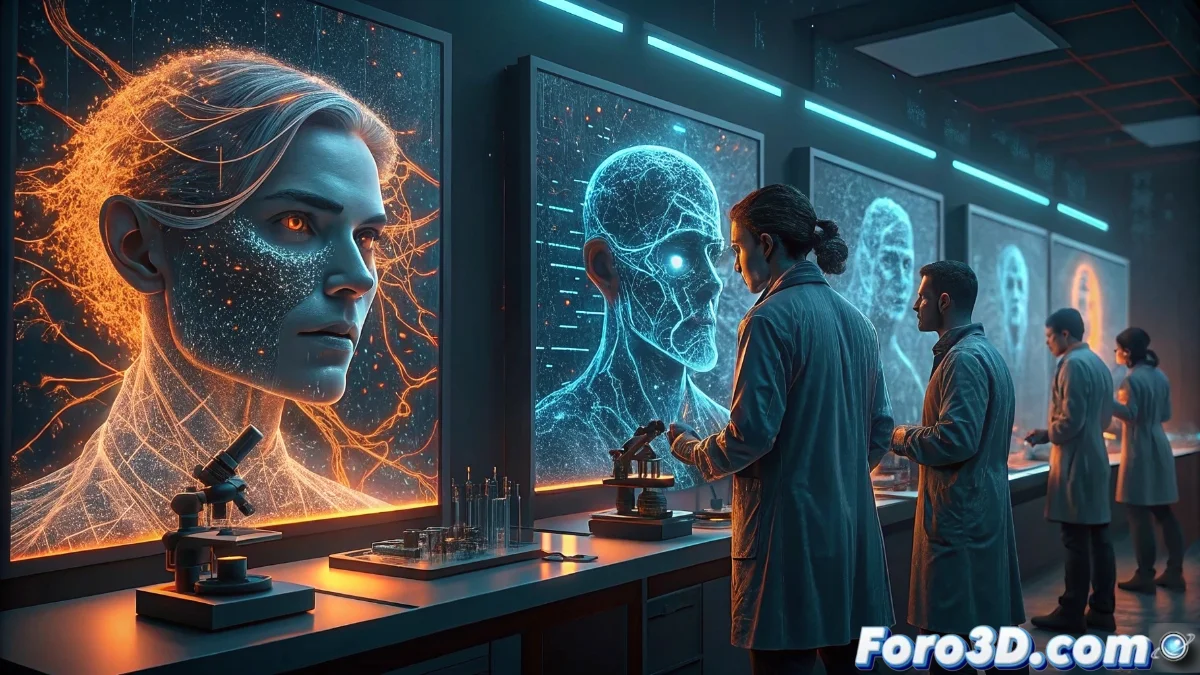
The Evolution of Deepfakes and Detection Technologies
The increasing sophistication of content generated by artificial intelligence presents an unprecedented challenge in the global digital realm, where the distinction between reality and simulation becomes increasingly complex 🎭.
Advanced Forensic Analysis Methodologies
Contemporary detection systems employ deep learning architectures that meticulously examine each frame for anomalies imperceptible to the human eye. These technologies identify everything from compression artifacts to inconsistent blinking patterns 🔍.
Main Detection Techniques:- Analysis of lip synchronization and facial movements using convolutional neural networks
- Detection of lighting inconsistencies and eye reflections at a microscopic level
- Identification of digital noise patterns and anomalies in spatial frequencies
The current technological paradox: we need artificial intelligence to combat the deceptions created by artificial intelligence
Proactive Verification Systems
The next generation of solutions focuses on preventive authentication, integrating blockchain technologies and advanced watermarks that certify content authenticity from its origin 💡.
Innovations in Digital Authentication:- Implementation of cryptographic metadata embedded in multimedia content
- Development of neural watermarks resistant to recompression processes
- Integration with browsers and social platforms through open APIs
The Future of Digital Trust
This technological cycle reflects the constant need to evolve our defenses against digital manipulation, where the same technology that creates the problem must provide the solutions, establishing a new paradigm of automatic verification and transparency in digital content 🌐.