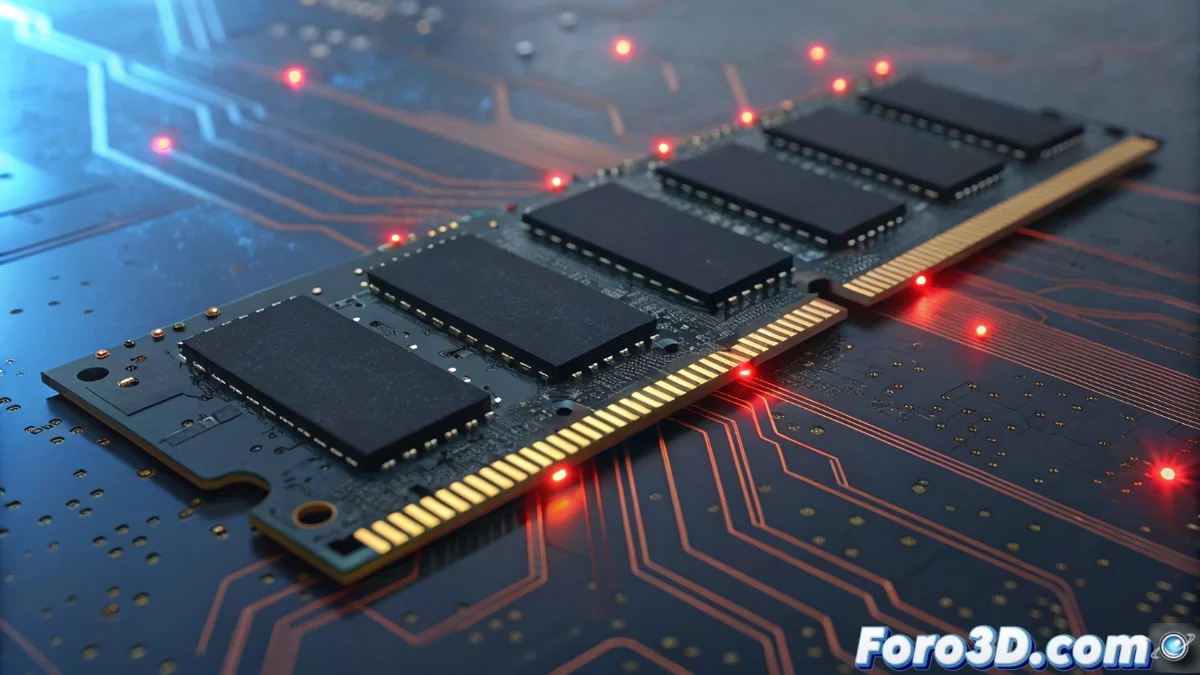
The Evolution of DDR5 Memory Compared to DDR4
The DDR5 technology marks a fundamental milestone in the development of computer memory, establishing substantial improvements over its predecessor DDR4. This fifth generation is characterized by notable increases in transfer capacity, operating speed, and energy consumption optimization, transforming the experience in demanding applications 🚀.
Key Technical Differences Between Generations
When analyzing the specifications, DDR5 operates with base speeds starting at 4800 MT/s, far surpassing the typical 3200 MT/s of DDR4. This improvement allows for a more intensive data flow that directly benefits modern processors. The renewed architecture includes a distributed power management system that transfers voltage regulation from the motherboard to individual modules, minimizing electrical interference and improving system stability.
Main Advantages of DDR5:- Increase in bandwidth for simultaneous data transfers
- Reduction in energy consumption per operation, maintaining lower temperatures
- Greater hardware longevity in high-performance configurations
The transition to DDR5 is not just a matter of speed, but of overall efficiency in system resource management
Practical Implementation and Requirements
The adoption of DDR5 memory is particularly beneficial in scenarios that demand maximum performance: advanced gaming, 3D creation workstations, and server environments with massive information processing. However, its implementation requires verifying compatibility with recent hardware platforms, specifically processors and motherboards designed to support this technology.
Compatibility Considerations:- Need to check motherboard specifications before upgrading
- Latest generation processors with compatible memory controllers
- Expectation of cost reduction as mass production increases
Future Perspectives and Accessibility
With the gradual integration of DDR5 into the market, a progressive democratization is anticipated that will facilitate access for more users. Manufacturers continue to optimize their production lines, which will eventually lead to more competitive prices and widespread adoption. This technological transition represents a natural step in the evolution of computer components, balancing raw power with operational efficiency 💡.