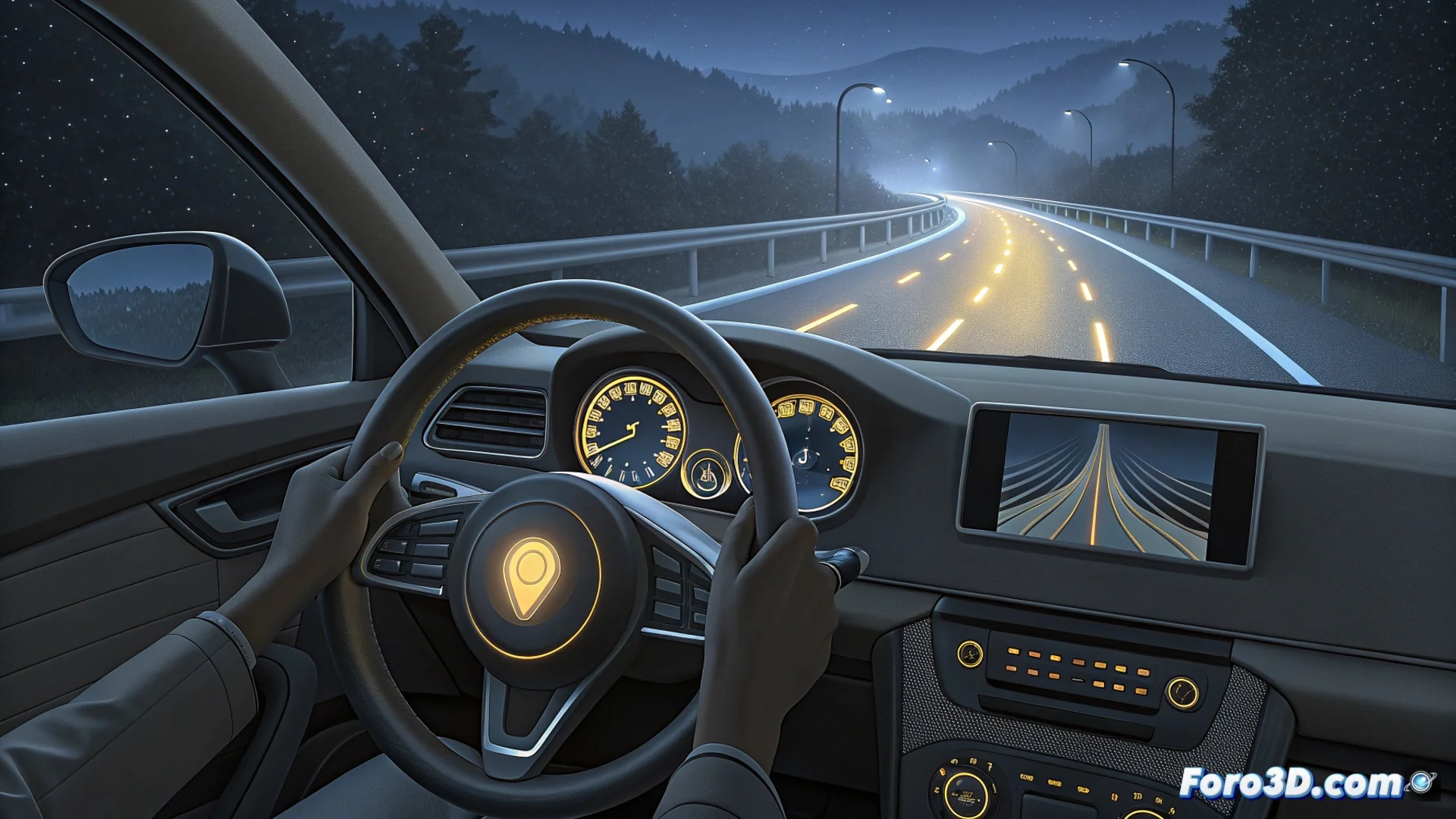
The European Union Proposes an Intelligent Assistant to Limit Speed
Community institutions have presented an initiative to equip all new vehicles with an automatic speed limiter. This device, called the Intelligent Speed Assistant (ISA), uses positioning technology and computer vision to autonomously regulate engine power according to road limits. The proposal primarily seeks to reduce accidents and atmospheric pollution. 🚗⚡
How the ISA System Operates
The mechanism combines a digital map with information obtained from a camera installed on the windshield, which reads traffic signs. When the software detects that the vehicle might exceed the allowed speed, it initiates a staggered process.
Phases of the limiter's action:- First alert: The system warns the driver through acoustic or visual signals on the dashboard.
- Automatic intervention: If the driver does not respond, the device progressively reduces the engine power delivered.
- Manual override: At any time, the driver can temporarily deactivate the function by fully pressing the accelerator, allowing emergency acceleration.
It seems that soon, flooring the accelerator will only serve to prove that the car still listens to you... for now.
Opposing Positions in the Debate
The measure has triggered an intense dialogue between supporters and detractors. Supporters highlight the benefits in terms of road safety and sustainability.
Arguments in favor:- Prevents speeding: It is considered a key tool to avoid serious accidents caused by high speeds.
- Promotes efficiency: By optimizing driving, it helps reduce fuel consumption and CO₂ emissions.
- Available technology: Many manufacturers already include it in their latest models as optional equipment.
Main Criticisms and Concerns
On the other hand, critics express reservations about the loss of control by the driver and possible technical failures.
Points against:- Intrusion into driving: It is perceived as a restriction on the driver's freedom and decision-making capacity.
- Risk of errors: There is concern that the system might misinterpret the context (construction, temporary signs) or fail, creating dangerous situations.
- Technological dependence: The absolute reliability of the software and sensors in all conditions is questioned.
An Imminent Regulatory Future
Currently, the Intelligent Speed Assistant is a feature offered by several manufacturers, but European regulations aim to make it mandatory and standardized equipment. Its massive implementation could transform driving habits and mark a turning point in how we interact with onboard technology. The balance between automated safety and human control will be the central axis of this change. 🛣️🤖