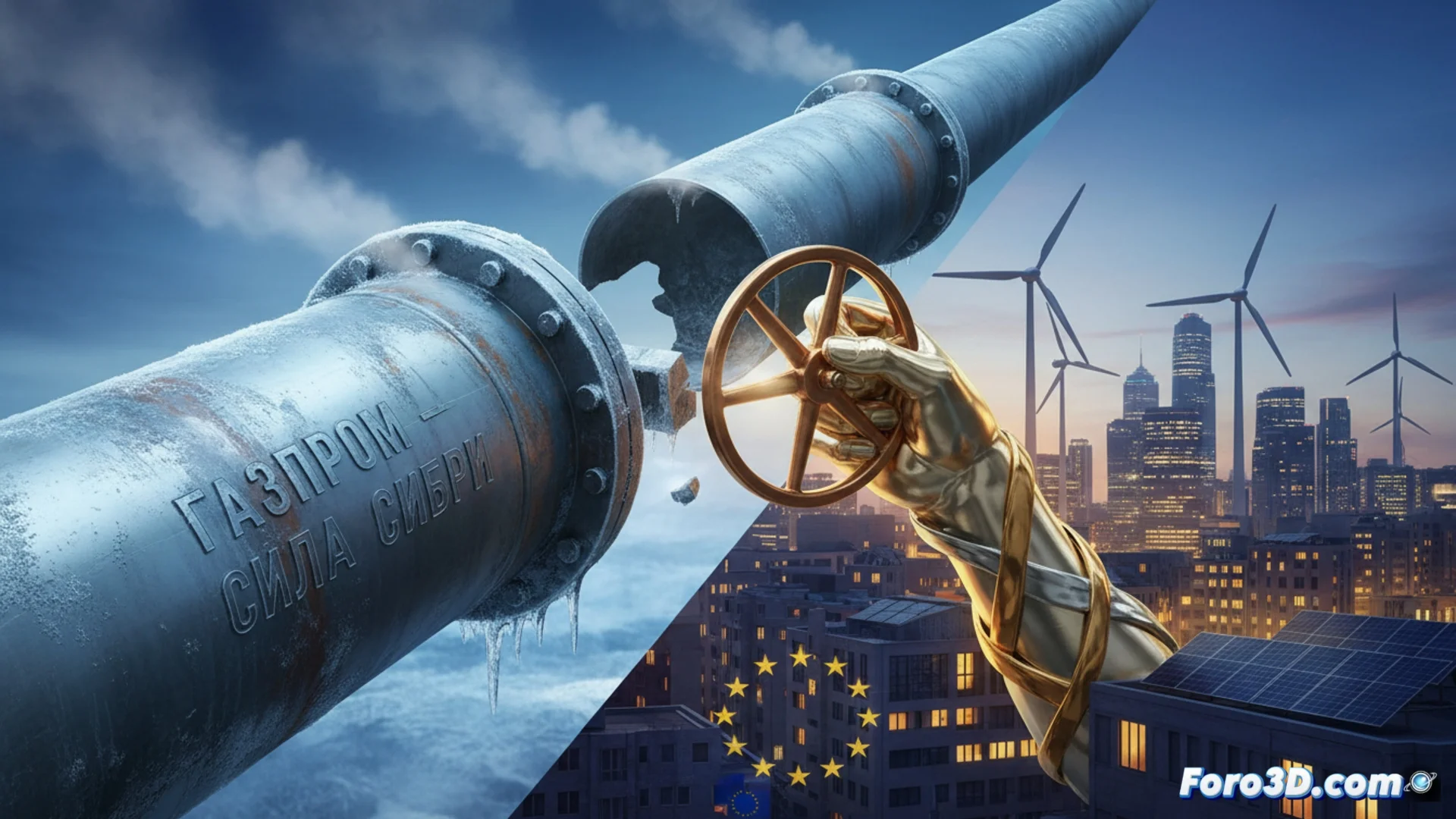
The European Union Agrees to Ban All Russian Gas by 2027
The member states of the European Union have made a historic decision: to completely prevent natural gas from entering from Russia starting in 2027. 🚫 This ban, part of the twelfth package of measures against Moscow, affects both the fuel that travels through pipelines and that transported liquefied in ships. The main objective is for Europe to stop depending energetically on its eastern neighbor and dry up crucial funds for financing conflicts. ⚖️
Closing a Key Legal Loophole
The new legislative rule addresses a loophole that allowed certain nations, such as Austria and Hungary, to continue buying Russian gas. From now on, agreements with Russian companies, including the giant Gazprom, cannot be extended when they expire. Additionally, it prevents European companies from investing money in new Russian projects to extract liquefied natural gas (LNG). Countries have a deadline to adjust their contracts and align with the rule.
Key Points of the Legislation:- Total ban on importing Russian gas by any means by 2027.
- Prohibition on renewing contracts with companies like Gazprom upon expiration.
- Preventing EU companies from investing in new LNG projects in Russia.
This measure closes the door on a source of energy that has fueled the European economy and the Russian war machine.
The Previous Scenario and Initial Responses
This resolution comes after the community bloc radically reduced its purchases of Russian gas since the war in Ukraine began in 2022. Dependence has dropped from approximately 40% of total consumption to less than 10% at present. The reaction among partners is mixed; some see the step as symbolic but essential, while others show concern about ensuring supply and controlling future costs. The European Commission maintains that the community energy market is now stronger and has more sources.
Changes in the Energy Landscape:- Drastic drop in Russian gas purchases since 2022.
- Reduction in dependence from 40% to less than 10%.
- EU market now considered more stable and diversified.
An Uncertain Energy Future
While some applaud advancing toward energy autonomy, others point out that winters in Europe can be very cold, and heating homes without Russian gas will require more than just will and signing agreements with other suppliers. The path to 2027 will be marked by this transition. 🔥