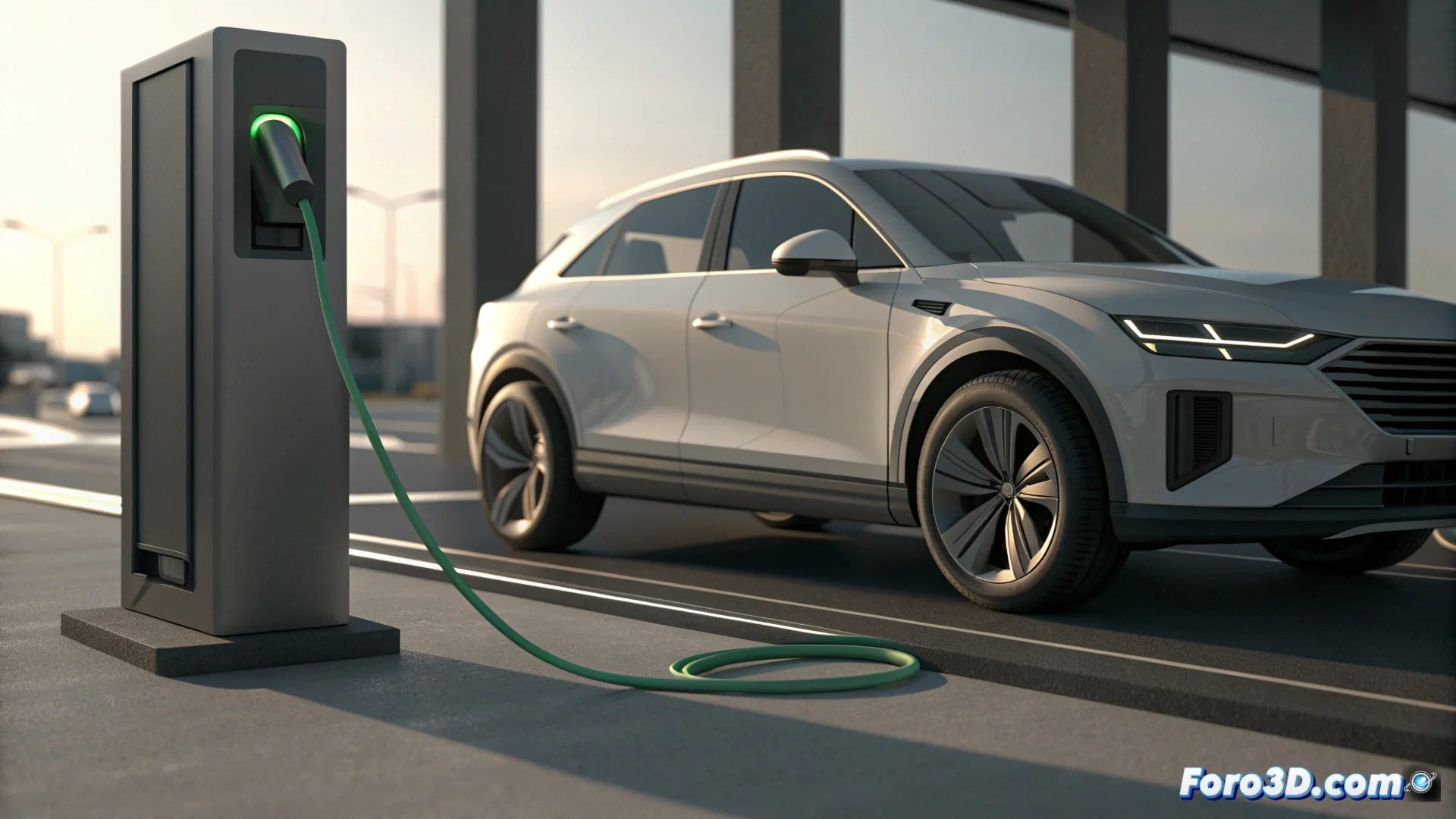
Euro 6e-bis regulation adjusts how plug-in hybrids are homologated
Before the Euro 6e-bis regulation takes effect, plug-in hybrid (PHEV) vehicles achieve extremely low official fuel consumption and CO₂ figures. These measurements, which often fall below 2 l/100 km and hover around 30-40 g/km, are usually far from the real-world driving experience. The WLTP protocol for measurement starts with a key advantage for the car: its battery is at 100%. This allows using only electric propulsion for a long stretch of the test, resulting in lower recorded fuel consumption and emissions than usual. 🚗⚡
The big difference between the official figure and the road
This homologation system creates a significant gap between factory figures and what the driver experiences. In everyday life, users do not plug in the car every night nor make such short trips that allow using only electricity. Once the battery is depleted, the combustion engine must move a heavier vehicle due to the battery pack, which can increase real gasoline or diesel usage above what was promised, matching or even exceeding similar traditional models.
Details that widen the gap:- The WLTP test assumes a full battery charge at the start, which does not always happen in reality.
- Everyday trips are usually longer than the vehicle's pure electric range.
- The extra weight of the batteries penalizes efficiency when the thermal engine is operating.
The driver who never plugs in their plug-in hybrid will no longer see their high consumptions reflected in unrealistic homologation figures.
What the Euro 6e-bis regulation really changes
The Euro 6e-bis, which is being implemented gradually, reformulates this approach to achieve more accurate data. It introduces a utility factor that corrects homologated emissions based on real electric range and how the battery energy is consumed during the test. The goal is for the label that the buyer consults to be closer to what they can expect when driving, reducing the advantage that PHEVs had in the previous cycle and forcing manufacturers to optimize efficiency in all scenarios.
Key changes with the new factor:- Adjusts official emissions based on the useful electric range.
- Considers how battery energy is managed and consumed during the test.
- Pressures manufacturers to develop more efficient vehicles in mixed conditions.
Towards more transparent homologation
In summary, the new regulation seeks to close the gap between the laboratory and the asphalt. The resulting figures, though less eye-catching, aim to be a more honest and useful reference for the end consumer, more accurately reflecting real consumption and CO₂ emissions without relying on such favorable assumptions. This is a significant step towards rigorously evaluating the real environmental impact of this technology. 🌍🔧