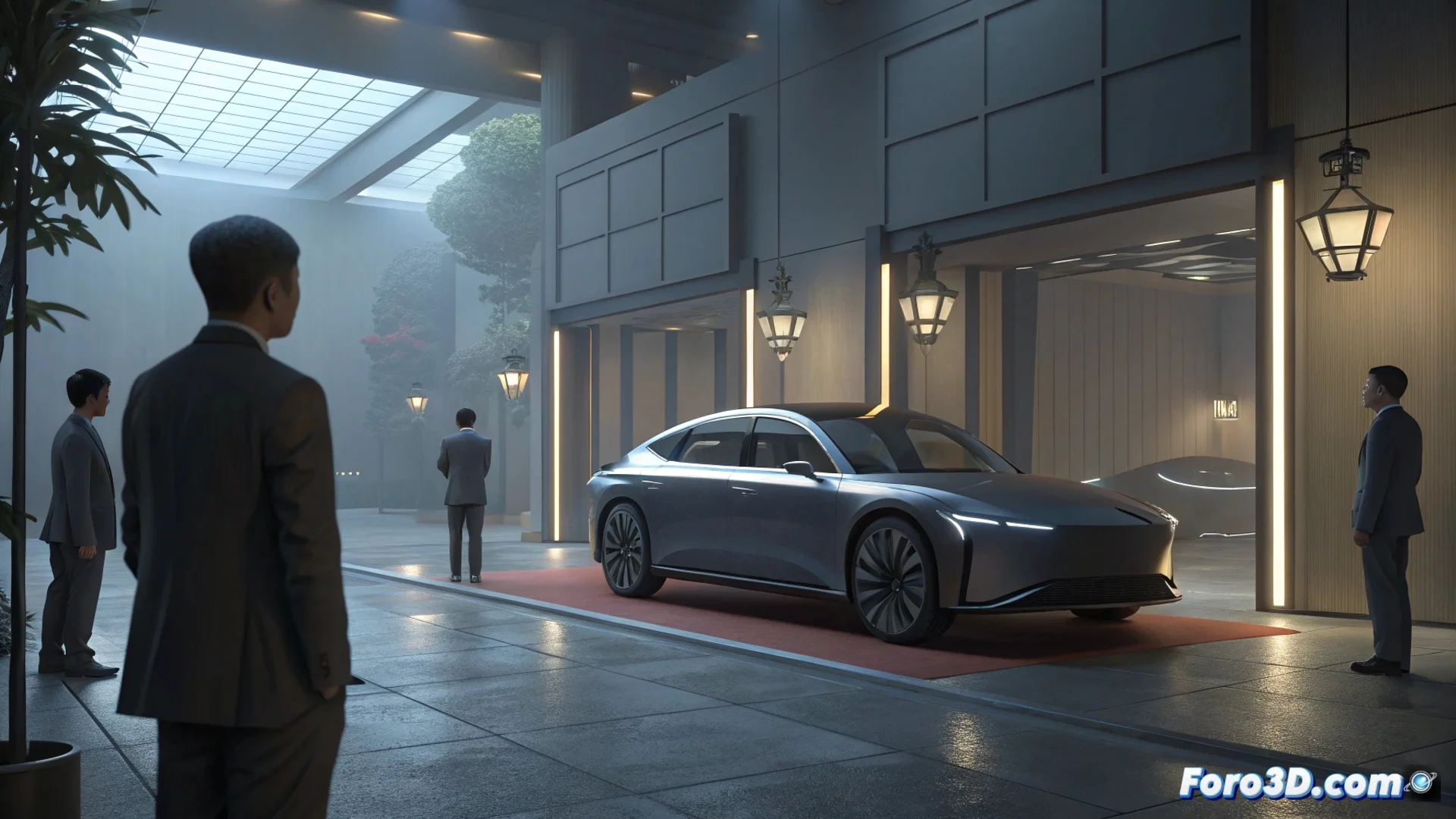
The EU Sets Minimum Prices for Chinese Electric Cars Instead of Tariffs
Brussels decides to implement a different strategy from traditional border taxes. Instead of taxing imports with high rates, it establishes a price floor for electric vehicles arriving from China. This action responds to the investigation into state aid that the European Union began several months ago. The stated purpose is to defend the European automotive sector against what it qualifies as unfair competition. The tool aims to level the commercial playing field without completely blocking market access. 🚗⚖️
The Reason for Bypassing Classic Tariffs
Experts and some representatives within community institutions argue that conventional tariffs are a more damaging option. Increasing import taxes raises the direct cost for the buyer and can provoke commercial retaliation. By defining a minimum sales value, the European Commission seeks to prevent Chinese producers from selling below their production cost, but without making European buyers pay an excessive surcharge. It is a more precise instrument that seeks to rectify market distortions without disrupting global supply chains.
Key advantages of this approach:- Protects the European consumer from abrupt price increases.
- Reduces the risk of triggering a trade conflict with China.
- Allows correcting distortions from subsidies without breaking the flow of goods.
“It is a balancing maneuver: defend the local industry without isolating itself from the global market,” analyze sector observers.
Consequences and Industry Responses
Chinese manufacturers, including BYD or SAIC, must now modify their pricing tactics to align with the new regulation. Some companies might consider installing factories within European territory to circumvent these limitations. For their part, European brands welcome the measure with caution, as while it mitigates the immediate price advantage, it does not solve the long-term difference in technology and cost efficiency. Vehicle buyers might notice fewer offers with very deep discounts, though they will retain a variety of models at sales points.
Possible strategic moves:- Price adjustments by Chinese importers to comply with the rule.
- Investment in assembly plants within the EU to avoid restrictions.
- Greater focus on innovation and cost reduction by European manufacturers.
The Geopolitical Dilemma of the Green Transition
The paradox lies in that Europe, by protecting its industrial sector, adopts a mechanism that intervenes in price setting, something not usually associated with a liberal market economy. Meanwhile, electric cars, the emblem of a shift toward sustainability, become pieces in a complex geopolitical and economic game. This decision marks how environmental objectives and commercial realities sometimes clash, forcing economic blocs to find hybrid solutions. 🌍🔋