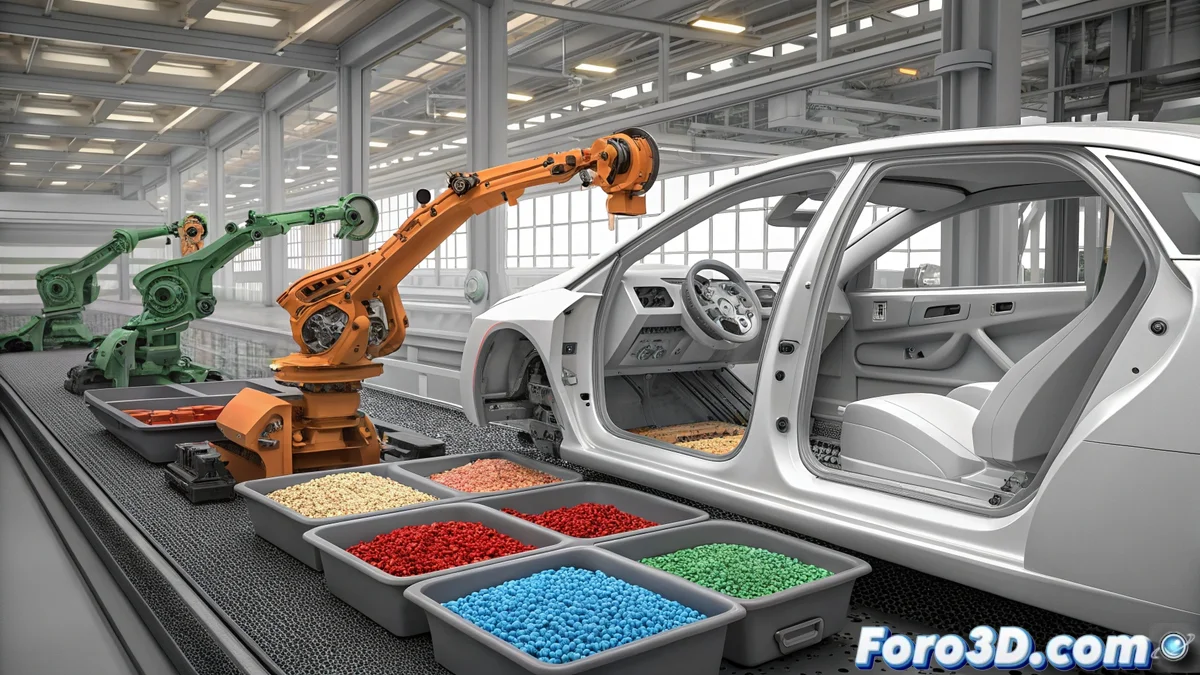
The EU Mandates 25% Recycled Plastic in New Cars
Negotiators from the European Parliament and the EU Council have reached a historic agreement. This pact requires new vehicles manufactured in Europe to incorporate a minimum of one quarter recycled plastic in their composition. Automotive companies will have a full decade to meet this ambitious target. This directive is part of a comprehensive strategy to transform the transport sector toward a circular economy model ♻️.
Reconfiguring Manufacturing and Its Economic Impact
Integrating this percentage of recycled material requires redesigning current production processes. Manufacturers must reorganize their supply chains to ensure a steady flow of recycled plastic that also meets stringent automotive safety standards. Adapting factories involves investing in research, development, and acquiring new specialized machinery. Analysts predict that these extra costs could be reflected in the final price paid by the buyer.
Key Changes for the Industry:- Review and modify current production processes.
- Establish new supply networks for high-quality recycled plastic.
- Make significant investments in R&D and manufacturing technology.
Increasing the price of new cars could incentivize keeping older, more polluting vehicles on the road, which is the opposite of the intended effect.
The Balance Between Ecology and Market
Supporters of the regulation argue that it is a crucial step to reduce the use of virgin plastics and manage waste more efficiently. However, critics point to potential tension between environmental goals and the affordability of the final product. The measure is combined with other European regulations, such as strict emissions limits, which already influence how automobiles are designed and priced.
Conflicting Perspectives:- Defense: Reduces dependence on new raw materials and improves waste management.
- Criticism: May increase prices, limiting access and delaying fleet renewal.
- Context: It is one more piece in an increasingly broad and complex European regulatory framework.
A Future with Dilemmas to Resolve
The path to a greener car is full of trade-offs. While some sectors celebrate this legislative step, others question its practical consequences for consumer economics. The ultimate challenge will be to produce vehicles that not only respect the planet but also remain within reach of the majority. The debate on the true cost of sustainability in transportation has just intensified 🚗.