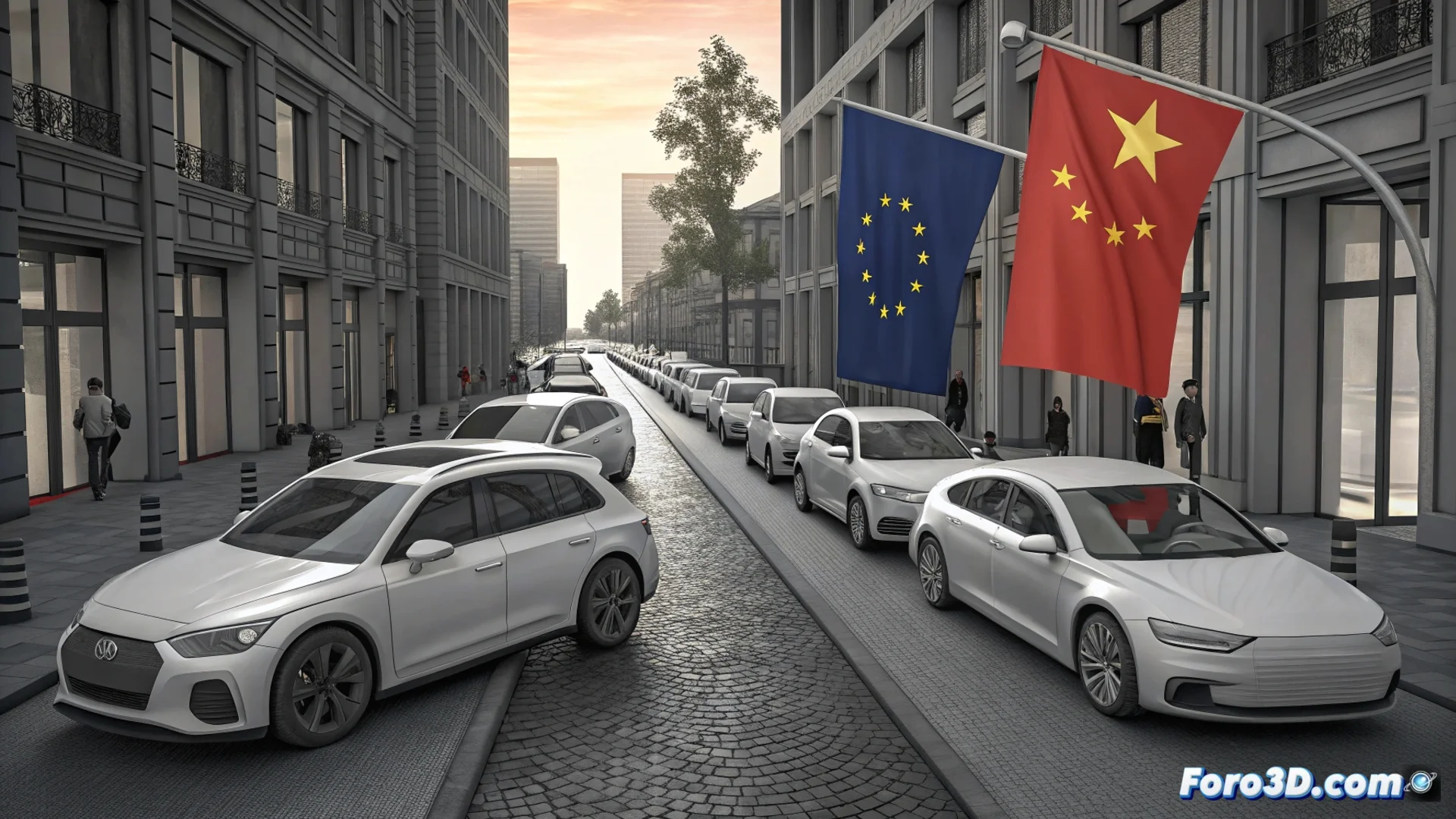
The EU Extends Tariffs to Hybrid Vehicles Imported from China
The European Union has decided to impose new levies on plug-in hybrid cars arriving from China. This action directly extends the measures already in place for fully electric automobiles. Brussels argues that these taxes counteract the financial aid received by Chinese producers, which distorts fair competition. 🔌⚖️
Specific Quotas by Manufacturer and Their Scope
The import duties are not uniform and are set based on the company. They are added to a base tariff of 10%. Brands like BYD, Geely, and SAIC, owner of MG, are affected with different percentages. Companies that cooperated with the EU investigation will receive more favorable treatment.
Details of the Applied Tariffs:- BYD: An additional surcharge of 17.4% is applied.
- SAIC (MG): Faces the highest rate, with an extra 37.6%.
- Cooperatives like Tesla: Benefit from a reduced levy.
These tariffs, provisional since July 5, could become definitive next November.
Consequences for the Market and Responses
This measure fully impacts the availability of affordable hybrid models in Europe. Many vehicles that were previously competitive, including local incentives, will now see their final cost increase. The response from China has not been long in coming.
Reactions and Side Effects:- Chinese authorities have labeled the decision as protectionist.
- The European industry is analyzing how to address the transformation toward electrification.
- Some European brands that manufacture in China could also suffer the consequences of these taxes.
The Panorama for the Consumer
The trade conflict transcends the technology sectors and is now fought on the roads. While institutions and manufacturers debate, the end consumer is the one who directly perceives the price increase of more sustainable mobility. The battle for dominance in the automobile market of the future continues, and price will be a key factor. 🚗💸