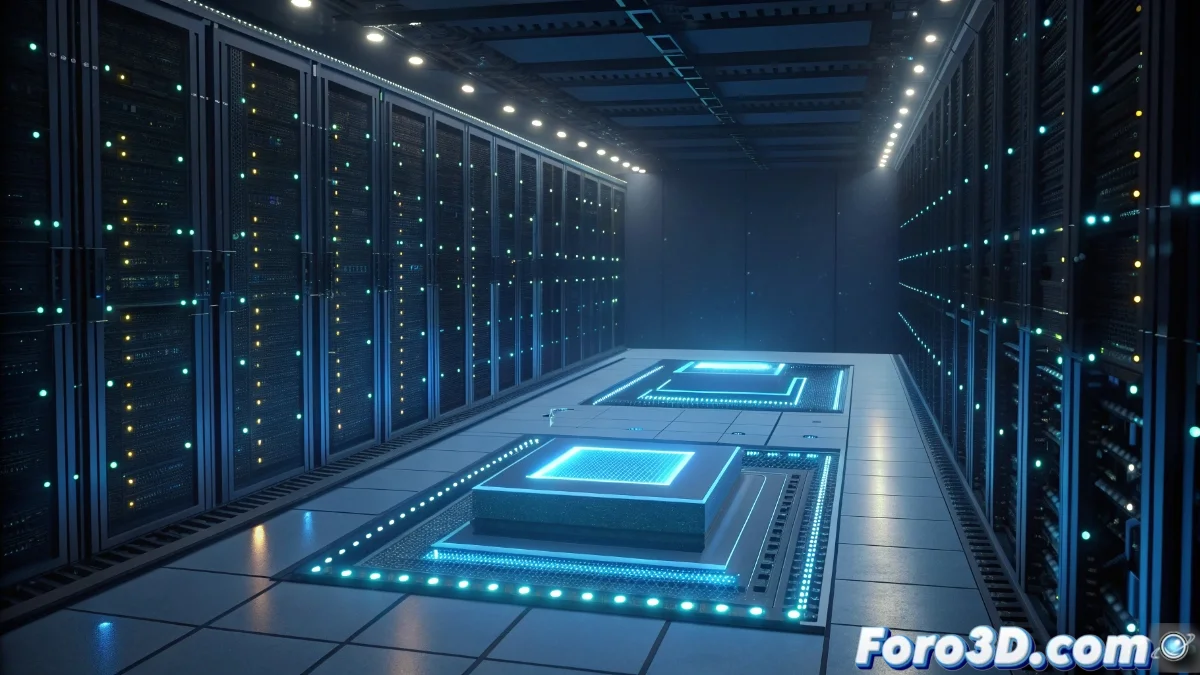
The Essential Symbiosis Between Quantum Computing and Classical Systems
Quantum computing promises to revolutionize our processing capabilities, but its true potential is only unleashed through intimate collaboration with traditional computational systems. Far from being autonomous entities, quantum devices require robust classical infrastructures for critical functions such as data preparation, hardware control, and result analysis. 🔄
Hybrid Architecture: The Operational Framework
The contemporary hybrid architecture integrates quantum processors with conventional computing clusters, establishing an ecosystem where each component plays complementary roles. Classical systems handle the initial data preparation, while quantum systems execute specialized calculations, subsequently requiring classical postprocessing to validate and refine the results. This interdependence ensures that qubits operate within controlled parameters.
Key functions of classical systems:- Preparation and validation of input data for quantum operations
- Real-time control of quantum hardware and environmental monitoring
- Postprocessing and verification of results generated by quantum algorithms
Quantum computing does not replace classical computing, but rather establishes a symbiotic relationship where both technologies enhance each other.
Error Correction and Quantum Stabilization
One of the greatest challenges in quantum computing is the susceptibility of qubits to environmental noise and decoherence. Classical systems implement advanced error correction algorithms that continuously monitor the quantum state, detecting anomalies and applying instantaneous compensations. This active supervision maintains computational integrity over sufficient intervals to obtain reliable results. 🛡️
Quality control mechanisms:- Detection of deviations in quantum states using classical sensors
- Real-time compensation for interferences and decoherences
- Continuous validation of qubit fidelity during operations
Practical Applications with Collaborative Processing
In real-world implementations such as molecular simulation and logistics optimization, algorithms strategically distribute workloads between quantum and classical components. While quantum hardware explores solutions in complex multidimensional spaces, traditional computers process intermediate results, adjust parameters, and execute successive iterations. This intelligent division leverages the specific strengths of each paradigm. 🧩
Examples of quantum-classical collaboration:- Simulation of complex molecules with classical refinement of structures
- Logistics route optimization through quantum exploration and classical validation
- Financial analysis with quantum modeling and classical statistical processing
Collaborative Technological Evolution
It is paradoxical but essential that the future of computing depends equally on the most advanced qubits and the conventional systems we currently consider standard. This dynamic demonstrates that in technology, total replacements rarely exist; rather, there are collaborative evolutions where different generations of systems coexist and enhance each other. The true quantum revolution will not eliminate the classical, but integrate it into a richer and more diversified computational ecosystem. 🌐