In the modern film industry, special effects (SFX) and visual effects (VFX) have reached an incredible level thanks to advances in CGI. However, classic special effects techniques, such as miniatures, prosthetics, forced perspective, stop-motion, and pyrotechnics, remain fundamental for creating scenes that capture our attention. These techniques are often combined with CGI to generate unforgettable effects. An excellent example of this can be found in the Mad Max film series, where both techniques are fused impressively.
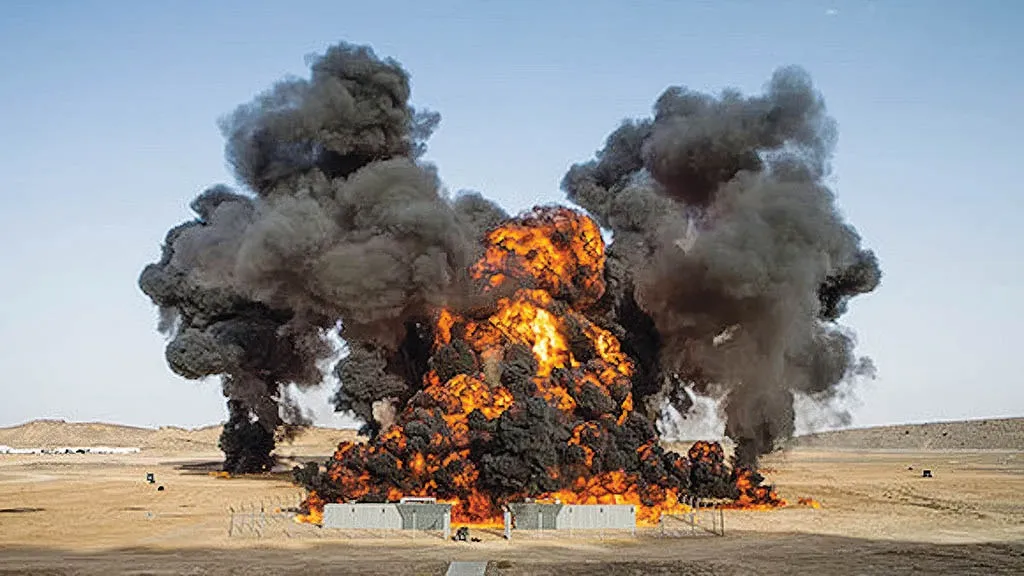
The Record-Breaking Explosion in Spectre
A recent example of special effects that has stuck in the memory of film enthusiasts is the famous explosion from the James Bond movie Spectre, released in 2015. This scene, directed by Chris Corbould, set a Guinness World Record by being considered the largest explosion in a film in the history of cinema. The filming took place in the Moroccan desert, and more than 8,000 liters of kerosene and 24 explosive charges, each with one kilogram of high-powered explosives, were used.
"The explosion not only had to be huge, but also have shape and progression, spreading across the entire area. We had to achieve an impressive and controlled effect." – Chris Corbould
The Planning Behind the Explosion
In an interview, Corbould explained how he planned this explosion. It wasn't just about making a gigantic explosion, but giving it shape and progression, so that it spread across a large area, approximately the size of ten football fields. Taking advantage of the desert location, with no nearby buildings, the team could work with greater freedom. Additionally, programmable detonators were used, which offered precise control over the explosion timing, allowing it to be executed with millisecond accuracy.
The Impact of Special Effects in Modern Cinema
This type of work demonstrates how special effects remain a key part of modern cinema, regardless of technological advances in CGI. Through creativity and technology, filmmakers continue to push the boundaries of what is possible to show on screen, offering impactful and memorable visual experiences. The Spectre explosion is just one example of how classic special effects techniques, combined with technological innovations, can generate epic moments in cinema.
Conclusion: The Magic of Cinema Lives On
The Spectre explosion is a testament to the art of special effects in cinema. Although some scenes may seem larger or more spectacular, the work done to create this particular scene marked a milestone in film history, showcasing the magic of both classic and modern effects. It is a reminder that, although technology has advanced, the art and creativity behind these effects remain essential to captivate audiences.