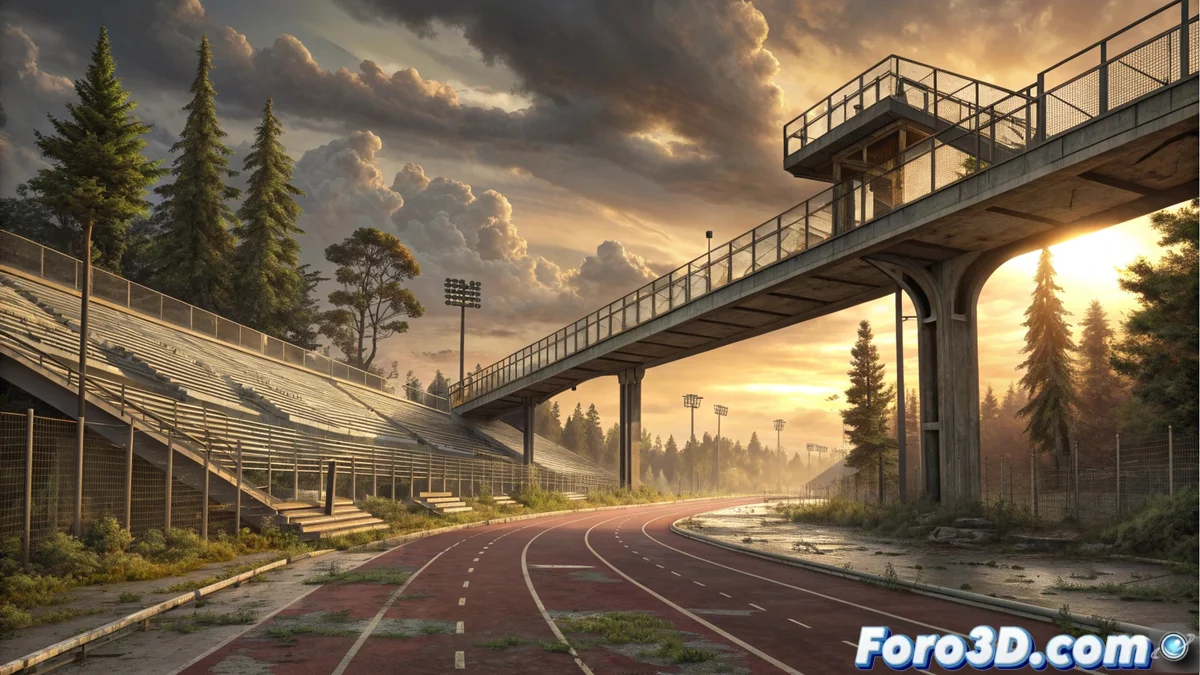
The Ephemeral Walkway of the European Grand Prix in Valencia
This specialized pedestrian structure was conceived exclusively for the urban circuit that hosted the Formula 1 European Grand Prix 🏁. During the brief days of the championship, it facilitated the safe transit of thousands of fans over the active track without interfering with the official qualifying and race sessions.
Million-Euro Investment with Temporary Utility
The construction of this high-end walkway required an investment of several million euros, a figure that contrasts with its restricted utility to just two weekends per year. The premium materials and complex assembly process complied with the extreme safety protocols that characterize Formula 1 as a world elite competition 🏆.
Key Features of the Infrastructure:- Modern design with capacity for large crowds
- High-quality certified materials for mass events
- Quick assembly and disassembly system for temporary use
"The engineers perfectly calculated the strength of the materials but forgot to include in their plans the most important variable: the temporal sustainability of the project that sustained it."
Progressive Abandonment After the Event's Disappearance
When Formula 1 definitively abandoned the Valencia urban circuit, this specialized infrastructure completely lost its original purpose 😔. It currently remains in its initial location but without any practical function, transforming into an symbol of urban waste that evidences the lack of long-term planning.
Consequences of Disuse:- Progressive deterioration of the structure due to lack of maintenance
- Total loss of the initial million-euro investment
- Citizen reflection on projects without a vision for the future
Lesson on Sustainable Planning
This case represents a paradigmatic example of how ephemeral projects require a deeper evaluation that considers their complete life cycle 🔄. Temporal sustainability must be integrated from the design phase, considering reuse alternatives or efficient dismantling to avoid such costly works being relegated to oblivion.