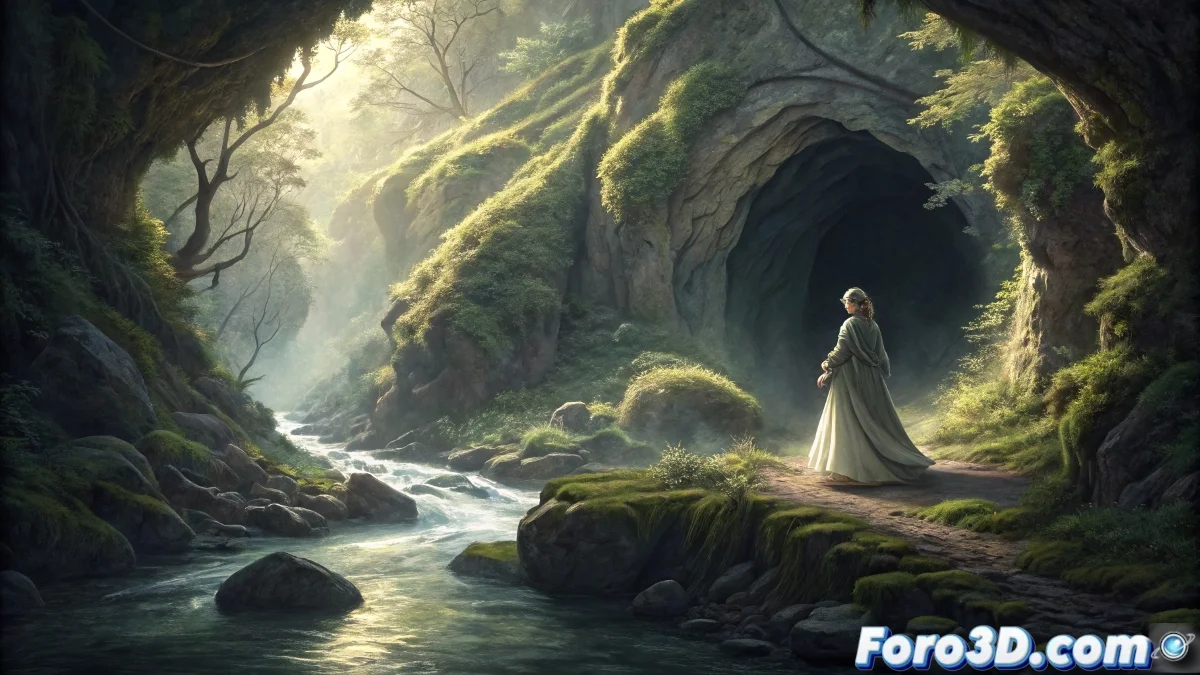
The Legend That Defies Time
In the lands of Soria, where the wind whispers ancient stories, lies the Cueva de la Mora (Cave of the Moorish Woman). This mysterious enclave guards one of the most romantic and tragic legends of medieval Spain. According to oral tradition, a Muslim princess of extraordinary beauty remains trapped between two worlds, awaiting the return of her Christian beloved. The geography of the place merges with the tale, creating a perfect setting for visual storytelling.
Natural Architecture and Symbolism
The cave features rock formations that seem sculpted by invisible hands. Visitors describe subtle changes in the natural light that penetrates the cavity, creating plays of light and shadow that feed the legend. From an environmental design perspective, this space offers masterful lessons on how nature builds its own narrative settings. Erosion has carved passageways that suggest corridors of vanished palaces.
The village elders say that on full moon nights, you can hear the whisper of Moorish silks among the rocks
Key Elements for Digital Recreation
- Textures of eroded rock with layers of moss
- Ambient lighting with golden and bluish tones
- Particle effects for the ghostly aura
- Integration of Mozarabic architectural elements
Applications in Creative Projects
3D artists find in this legend an inexhaustible source of inspiration. The cultural duality between the Christian and Muslim worlds allows for the creation of fascinating visual contrasts. Character design can explore the clothing of the era, mixing Andalusian elements with Christian medieval details. For VFX specialists, the spectral appearance of the princess offers interesting technical challenges regarding transparencies and environmental integration.
Visual Ambiance Techniques
- Composition with depth layers to simulate the cave
- Use of volumetrics to create ethereal atmospheres
- Procedural texturing for rock formations
- Animation of fabrics and veils with simulation systems
The chromatic richness of the Sorian environment provides an earthy color palette perfect for establishing the visual mood. Sunsets in the area create light plays that can be replicated using render engines to add drama. The native vegetation adds organic textures that contrast with the hardness of the rock.
Recommended Tools
- 3D scanning software to capture the topography
- Vegetation plugins to recreate the environment
- Particle systems for supernatural effects
- Render engines with global illumination
Those who venture to digitally recreate this space must pay special attention to scale and proportions. The real cave presents dimensions that generate sensations of intimacy and mystery, crucial elements for conveying the essence of the legend. Ambient sound completes the experience, with echoes that seem to carry messages from the past.
And after centuries of waiting, perhaps the only thing truly enchanted is the princess's patience 😉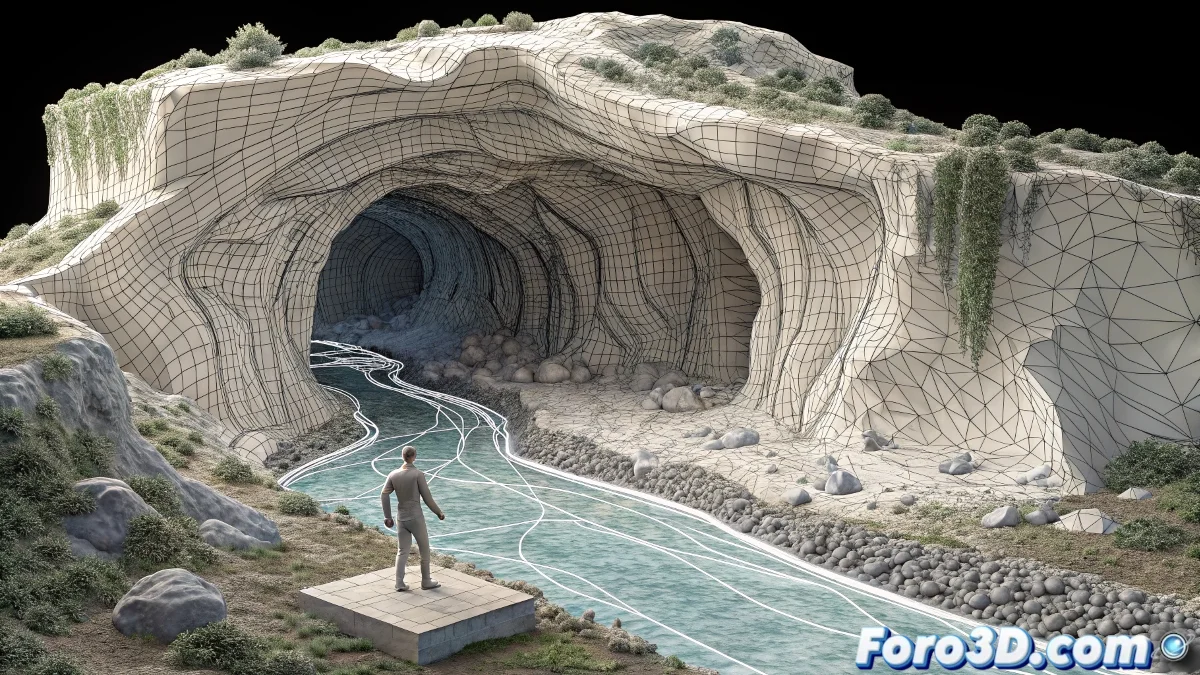
Preparation and Analysis of the Reference Scene
Before opening 3ds Max, every 3D artist must perform a thorough analysis of the scene to be recreated. This process involves studying the composition, identifying primary and secondary elements, and understanding the spatial relationship between objects. Professionals usually collect additional visual references that help understand materials, lighting, and scales. 🧐
The creation of a digital moodboard is fundamental for maintaining visual coherence throughout the project. Tools like PureRef allow organizing all reference images in a single workspace. This step, although frequently underestimated, makes the difference between an accurate recreation and a generic approximation.
Initial Project Configuration
When starting 3ds Max, the correct configuration of units