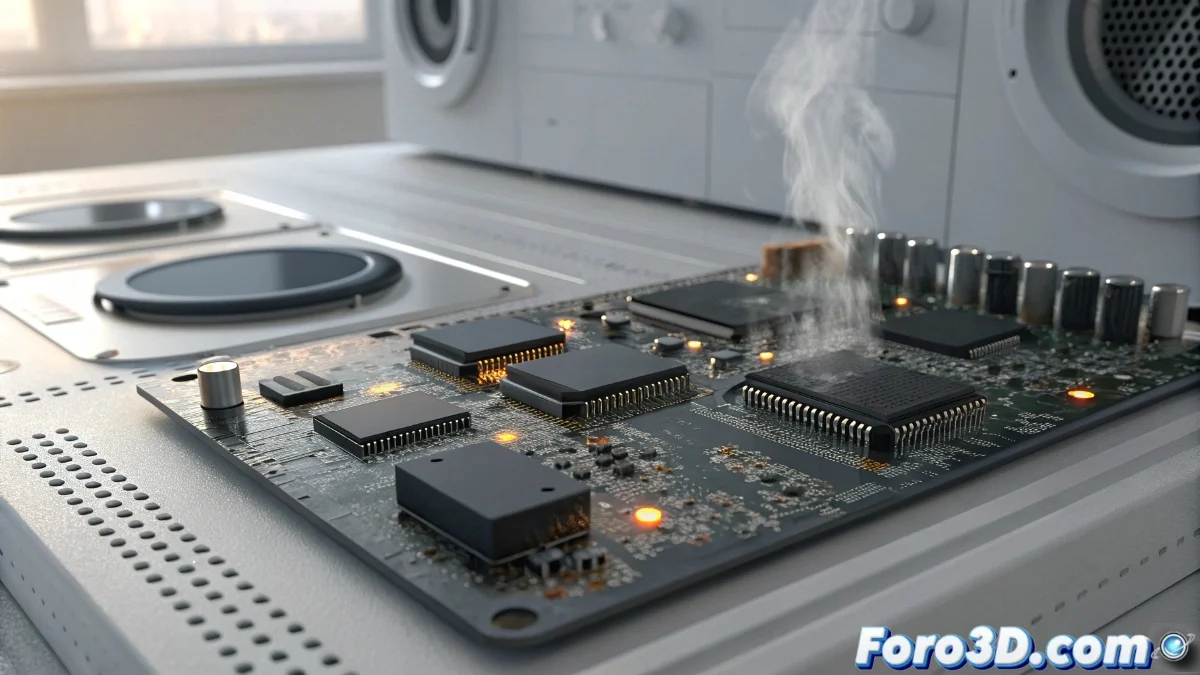
Electronic Fragility in Modern Appliances
Starting from 2015, leading brands such as Bosch, Whirlpool, LG, and Samsung began a massive transition to fully electronic control systems, replacing traditional mechanical mechanisms with integrated circuit boards. This technological evolution has introduced new vulnerabilities that directly affect the durability of washing machines, dishwashers, and refrigerators. 🔌
Why Do Electronic Boards Fail?
The extreme sensitivity of these components to common environmental factors represents the core of the problem. Current designs prioritize compactness over robustness, using inexpensive SMD components with insufficient thermal dissipation and inadequate protection against power grid fluctuations.
Main Causes of Failure:- Moisture accumulation in sealed encapsulations that corrode internal circuits
- Chronic overheating due to designs with insufficient space for dissipation
- Excessive centralization where a single board controls multiple critical functions
The technological irony: high-end appliances turned into paperweights by simple voltage variations
Evolution and Partial Improvements
The latest models have incorporated gradual improvements in insulation and moisture protection, as well as more resilient circuits. However, the fundamental architecture maintains the same limited repair approach, where replacing the entire board remains the only viable solution.
Persistent Limitations:- Impossibility of repairing individual components in most models
- Replacement costs that can reach 70% of the value of a new appliance
- Lack of standardization that hinders access to spare parts
Impact on Consumers and the Environment
This situation creates a vicious cycle of consumption where repair becomes economically unviable, incentivizing frequent replacement. The consequences extend beyond the user's wallet, generating a significant environmental impact due to the increase in electronic waste and resource consumption. The paradox is evident: advanced technology has created smarter but considerably more fragile and less sustainable products. 💸