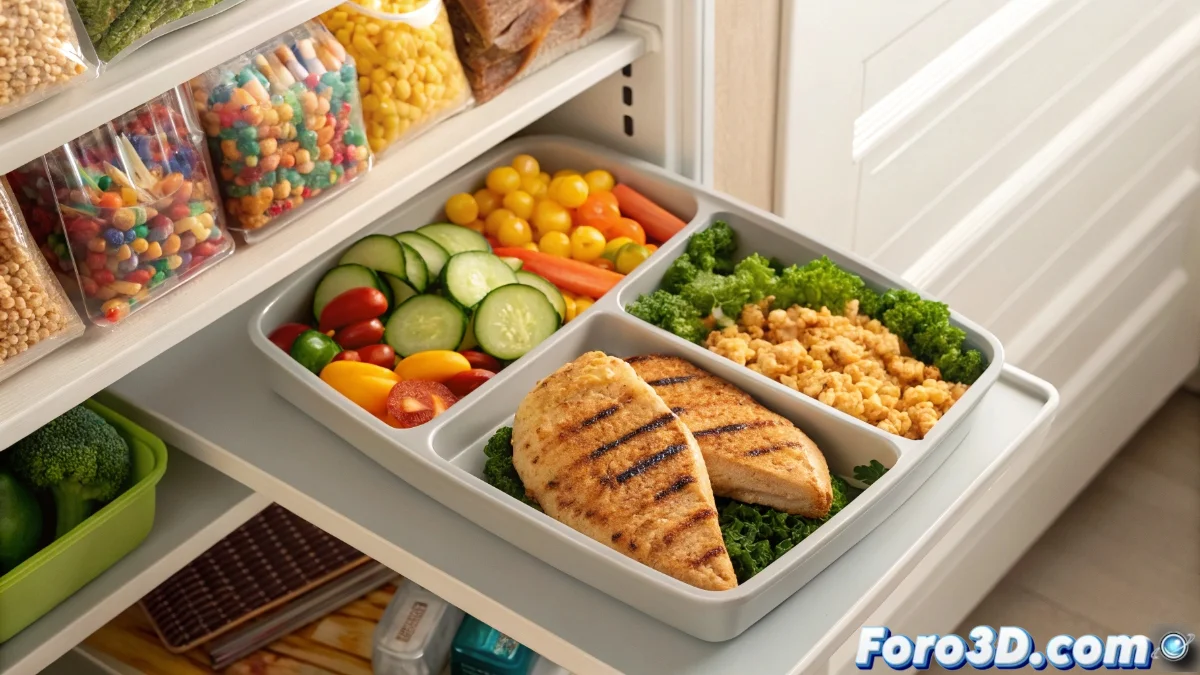
The Double Standard in Children's Nutritional Education
We demand balanced menus in schools with fresh ingredients while our kitchens stock ultra-processed products of dubious nutritional value. This fundamental contradiction reveals a worrying gap between the public discourse on children's nutrition and real domestic practices 🍎🍪.
The Domestic Nutritional Mirage
While we promote campaigns to improve school meals, our shopping carts reveal contradictory preferences. The products we choose for family consumption frequently contain excess sugars, unhealthy fats, and numerous additives—the very components we criticize when they appear in school cafeterias.
Manifestations of this inconsistency:- We sign petitions against vending machines while buying hypercaloric snacks for home
- We criticize school menus while storing products with similar nutritional deficiencies
- We demand external quality controls while ignoring the labeling of our own foods
Children internalize this conflict as a contradictory message: at school they learn about nutritional pyramids that they later don't see reflected in their homes
Impact on the Formation of Lasting Habits
This educational inconsistency generates confusion in minors, who perceive healthy eating as an institutional imposition rather than a fundamental family value. The disconnect between theory and domestic practice significantly weakens any educational effort in nutritional matters.
Documented Consequences:- Difficulty establishing consistent eating patterns
- Perception of healthy food as an external obligation
- Confusion between school rules and real family values
Towards Real Nutritional Coherence
It is paradoxical how we become demanding nutritionists for school cafeterias while applying more flexible standards in our homes. True nutritional education requires coherence between what we preach and what we practice, eliminating this double standard that so hinders the formation of genuinely healthy habits 🥦🏠.