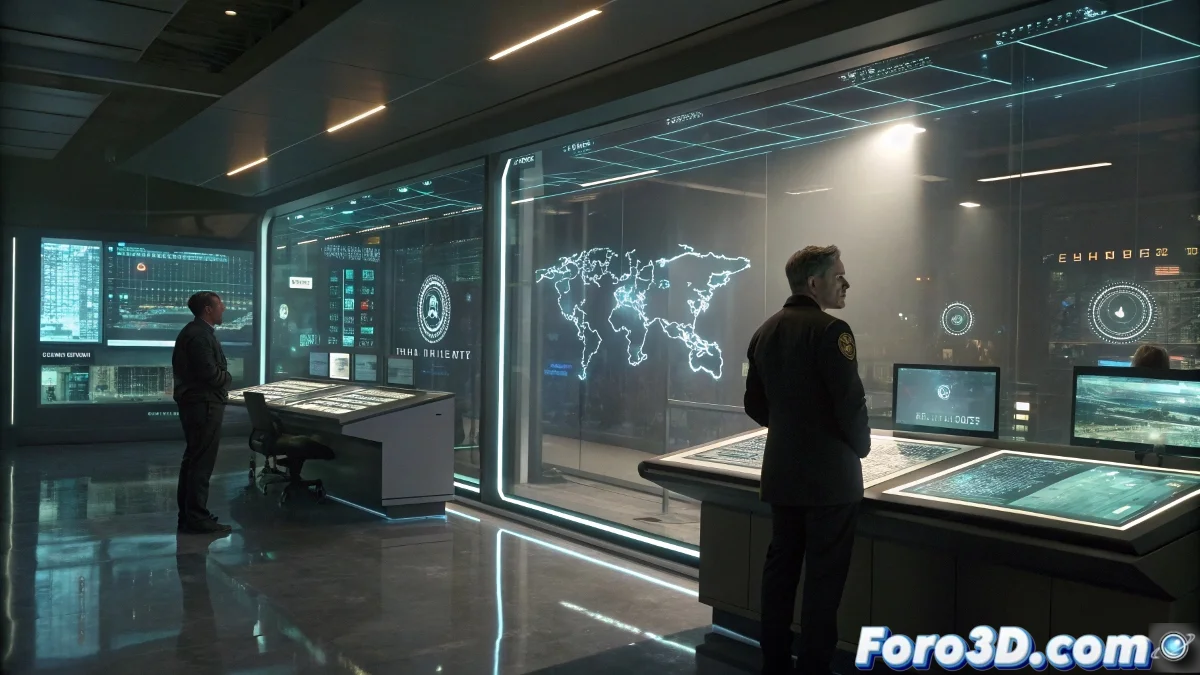
When the Software is the True Secret Agent
In Argylle, BUF Compagnie faced a unique challenge: making code look sexy. Their 231 shots of digital interfaces and transparent screens turn The Division's headquarters into a wet dream for UX design lovers of espionage. 💻🕵️♂️
"Our interfaces had to be so believable that viewers would try to touch them" - BUF Designer
The Anatomy of a Convincing Screen
The workflow combined:
- Interface design with authenticity from real intelligence systems
- Compositing in Nuke for perfect integration with real backgrounds
- Reflection simulations that respond to set lights
- Minimalist animation that prioritizes legibility over spectacle
Details that Hack Credibility
The smartest elements included:
- Variable opacity based on camera angle
- Reflections showing the real environment behind the glass
- Data visualizations with consistent internal logic
- Transitions mimicking classified operating systems
As a technician joked: "We programmed more security patterns than the CIA". 🔐
Physics of the Intangible
The technical solutions addressed:
- Light-screen interaction in shots with movement
- Depth of field in overlaid interfaces
- Legibility under different lighting conditions
- Coherence between multiple screens in the same scene
When Less is More (Classified)
The true achievement was:
- Creating fictional technology that feels operable
- Maintaining focus on the narrative over effects
- Designing interfaces that industry professionals would recognize
- Making the digital feel physical
As the director aptly summarized: "If Matthew Vaughn stopped asking 'does that really work?', we knew we were on the right track". Because in the world of cinematic espionage, the best visual effects are the ones you don't notice... until you try to interact with them. And if any viewer ended up swiping their finger over the seat imagining touching those screens, BUF's mission was more than accomplished. 🎥👆