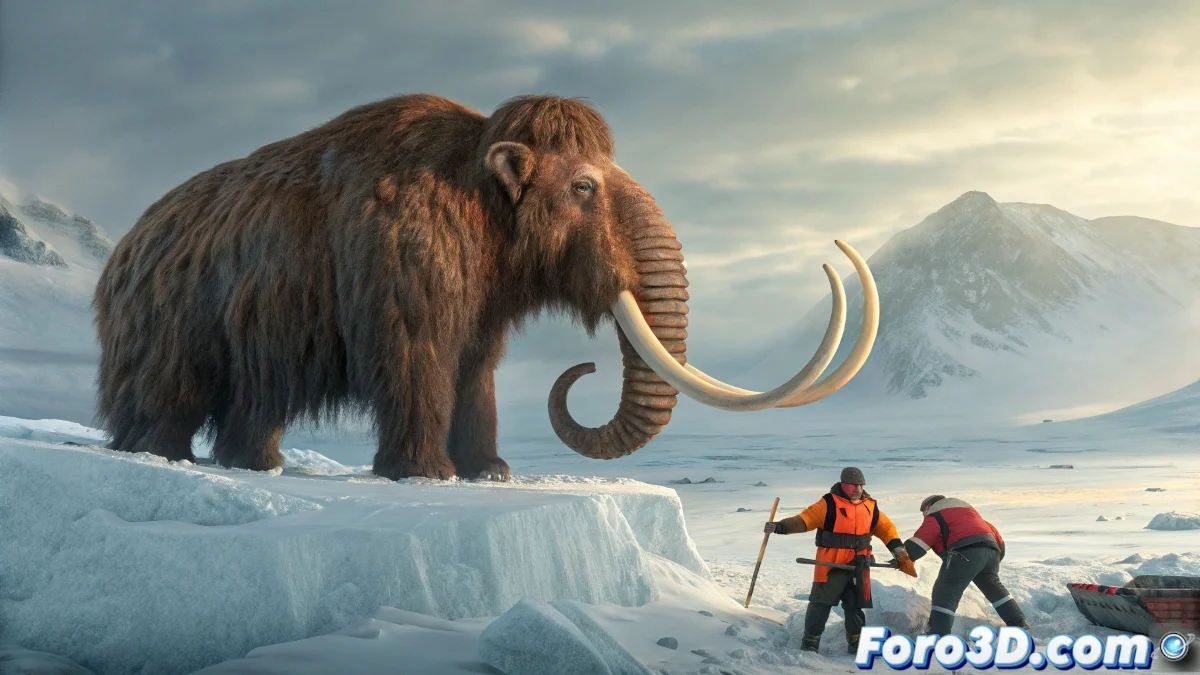
An Ice Age Traveler Emerges from the Ice
In the depths of the Siberian permafrost, a team of scientists has made a discovery that seems straight out of a movie: the almost intact corpse of a juvenile woolly mammoth that lived approximately 40,000 years ago. What is astonishing is the state of preservation of the animal, which retains its skin, fur, and even internal organs, offering an unprecedented window into the prehistoric past. This exceptional find is like discovering a biological time capsule. 🐘
Photoshop: The Time Machine for Artists
To bring this incredible discovery to life, Photoshop becomes an invaluable tool. Artists and researchers can use its functions to digitally reconstruct the mammoth's appearance, restoring damaged areas and recreating its natural environment. The combination of cloning tools, color adjustments, and texture brushes allows for the creation of a visual representation that is as scientific as it is evocative.
Reconstructing a Giant Step by Step
Creating a realistic reconstruction of the mammoth in Photoshop requires a methodical approach and attention to detail.
- Prepare the Canvas: Set up a high-resolution document with a background that evokes the Siberian landscape.
- Isolate and Place the Subject: Cut out and position the mammoth using precise selection tools.
- Simulate Preservation: Apply frozen skin and fur textures using custom brushes and cool color adjustments.
- Integrate the Environment: Add ice, snow effects, and a cold ambient lighting to immerse the mammoth in its context.
The goal is to achieve a balance between scientific rigor and visual impact. 🎨
This level of preservation is exceptional and opens the door to genetic studies that could reveal unprecedented details about the biology and evolution of mammoths.
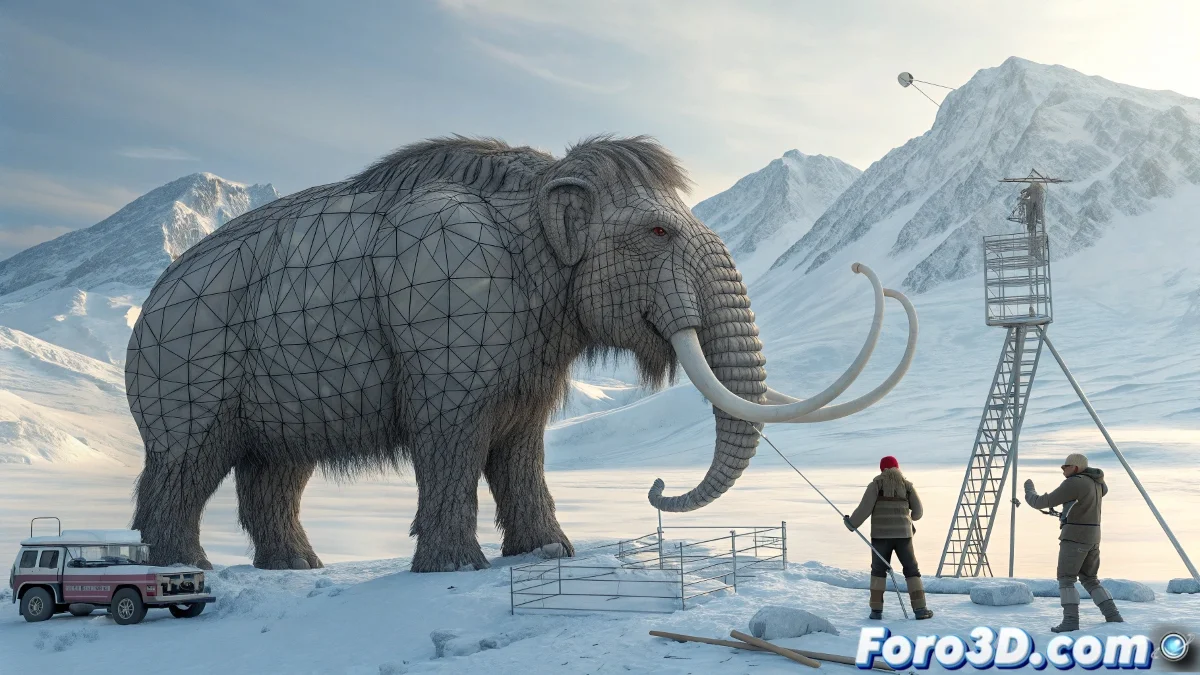
Beyond the Image: The Genetic Revolution
The importance of this find goes far beyond a simple visual reconstruction. The exceptionally well-preserved DNA allows scientists to study the genetics of the species with a level of detail never before possible. This information is crucial for biotechnology projects exploring de-extinction or, at the very least, for understanding how these giants adapted to extreme climates. It is a monumental step in paleogenetics. 🧬
In the end, this Siberian mammoth reminds us that sometimes the past is not as lost as we think. And it is curious that an animal that survived the Ice Age ends up being revived in a Photoshop layer, where the only layer of ice that matters is the opacity one. 😉