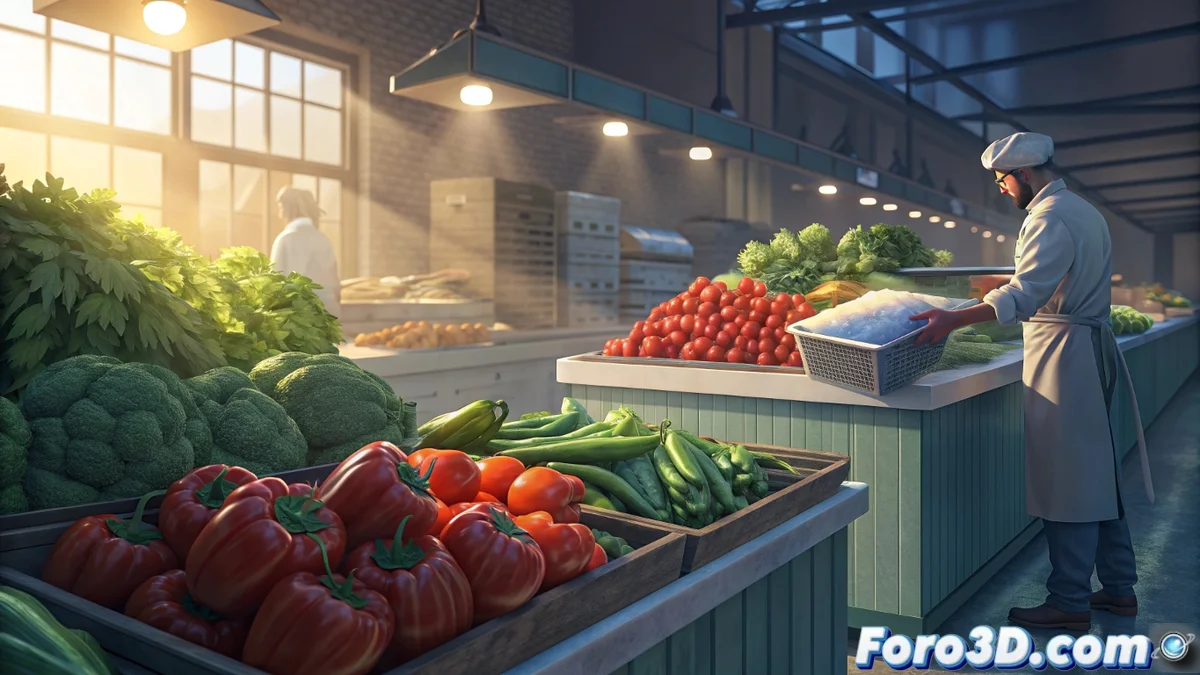
The Disconnect Between Marketing and Reality in Farm-to-Table Restaurants
Numerous gastronomic establishments build their public image around concepts like farm-fresh products or seasonal ingredients. This narrative generates a powerful expectation of freshness and proximity that, in practice, often does not materialize on the plate. 🥗
Communication Strategies Versus Real Operations
These businesses design their marketing strategy to highlight values of naturalness and local origin. They use menus with evocative descriptions and decorate their spaces with elements that reinforce a rustic and traditional aesthetic. The conflict arises when, to ensure constant availability of certain dishes and control costs, they source frozen vegetables or suppliers that import from distant regions. This creates a clear gap between what the diner anticipates and what they ultimately consume.
Indicators of a Possible Disconnect:- A menu that remains identical throughout the year, without reflecting the natural cycles of local cultivation.
- Vague dish descriptions that do not detail the specific origin of the main ingredients.
- An excessively extensive menu, suggesting reliance on storage freezers or import logistics.
Sometimes, the tomato in your salad has more air miles than you on your last trip, and the eggplant's "farm" turns out to be a logistics warehouse hundreds of kilometers away.
How to Evaluate Real Commitment to Fresh and Local
To discern if a restaurant prioritizes fresh ingredients, it is key to observe the seasonality of its offerings. A genuine establishment usually adapts its menu frequently, incorporating what the local season provides at that moment. Another positive sign is specifying the exact origin, such as mentioning the name of a particular farm or producer.
Signs That Usually Indicate Authentic Practices:- Frequent variations in the menu, with dishes that appear and disappear according to the time of year.
- Transparency on the menu, explicitly naming the farms or regions from which the star products come.
- A more concise and focused offering, demonstrating conscious sourcing limited by local availability.
Conclusion for the Informed Diner
The next time you read "from the farm" or "seasonal" on a menu, look beyond the marketing. Analyzing the consistency of the menu, the detail of the descriptions, and the seasonal logic will give you reliable clues. Being an attentive consumer is the best tool to assess whether the price you pay matches the real quality and origin of what you are about to taste. 🍅