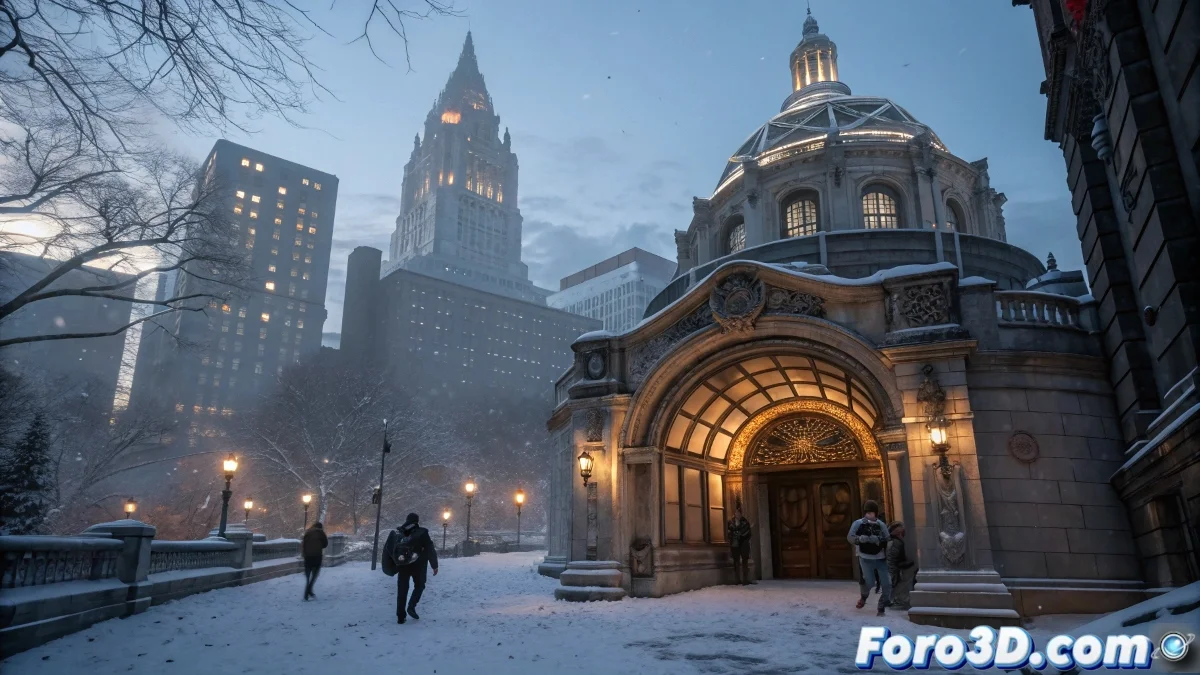
When the Multiverse Needs a Digital Architect
In Spider-Man: No Way Home, Digital Domain proved that managing alternate realities is as complex as it seems 🕷️🌀. While the audience celebrated the Spider-Men crossover, the studio was holding the space-time fabric together with pure technological magic, creating effects that defied physics but obeyed storytelling.
Ingredients to Cook a Multiverse
Digital Domain's dimensional menu included:
- Fractal portals in Houdini that bent space like wet paper
- Magical snow that covered the Sanctum with perfect physics (and zero cold for the actors)
- Three Spider-Men interacting without anyone noticing which was real and which was digital
The cameo that almost was: when a test portal "absorbed" a Stan Lee hologram. The multiverse wasn't ready for that much meta.
How to Create These Effects in Blender
- Dimensional portals: Geometry Nodes with procedural deformations
- Realistic snow: Particle systems with advanced collisions
- Character integration: Camera tracking and nodal compositing
The (Science) Fiction Behind the Chaos
The technical challenges included:
- Houdini simulations where space behaved like a fluid
- V-Ray rendering to maintain photographic quality amidst the chaos
- Nuke compositing that seamlessly spliced together three decades of Spider-Men
The result was so convincing that even Doctor Strange doubted his own spells... or maybe it was just Benedict Cumberbatch acting 🧙♂️.
Lessons for Multiverse Artists
This project taught that:
- A good portal effect should look like it can take you to any reality (even the unwanted ones)
- Digital snow is your best ally when you need dramatic weather without production delays
- Even the most iconic superheroes need digital doubles for their acrobatics
So next time you see a multidimensional portal, remember: behind every reality distortion there's a VFX artist who probably dreamed of parallel universes that night... and of renders that don't crash like the Sacred Timeline 🌌.