The Dilemma of Planned Obsolescence in Vehicle Infotainment Systems
Modern vehicles' integrated infotainment systems face a growing issue of planned obsolescence, where hardware becomes outdated quickly and software stops receiving technical support. This situation causes serious incompatibilities with new devices and mobile applications, while replacing these units represents a significant expense for owners. 🔄
The Accelerated Technological Expiration in the Automotive Industry
The evolutionary pace of consumer technology does not synchronize with the traditional life cycles of the automotive industry. While smartphones have an average lifespan of 2-3 years, vehicles are designed to last more than ten years. This temporal disconnect results in infotainment systems that become technically outdated long before the car completes its operational life. Automakers often suspend software updates after 3-4 years, causing essential functions like compatibility with new mobile operating systems or navigation apps to stop working properly. 📱
Direct consequences for users:- Inability to connect latest-generation smartphones due to outdated protocols
- Loss of functionality in navigation and entertainment applications
- Progressive deterioration of the user experience with slow and unresponsive interfaces
It is paradoxical that in an era promoting sustainability and durability, we have systems that turn perfectly functional vehicles into technologically obsolete ones, forcing us to choose between living with outdated technology or making costly updates.
Practical Solutions and Available Alternatives
Facing this issue, various alternatives emerge for consumers. Some specialized companies offer third-party replacement units that guarantee greater longevity and periodic updates, although their installation may void the vehicle's original warranty. Another developing option is modular systems where only specific components require modernization, though this design philosophy is not yet predominant in the main industry. Many owners opt to use their mobile devices as the main infotainment center, thus avoiding the limitations of the car's integrated system while maintaining access to updated technologies. 🛠️
Mitigation strategies:- Acquisition of replacement units from independent specialized manufacturers
- Implementation of modular systems that allow partial updates
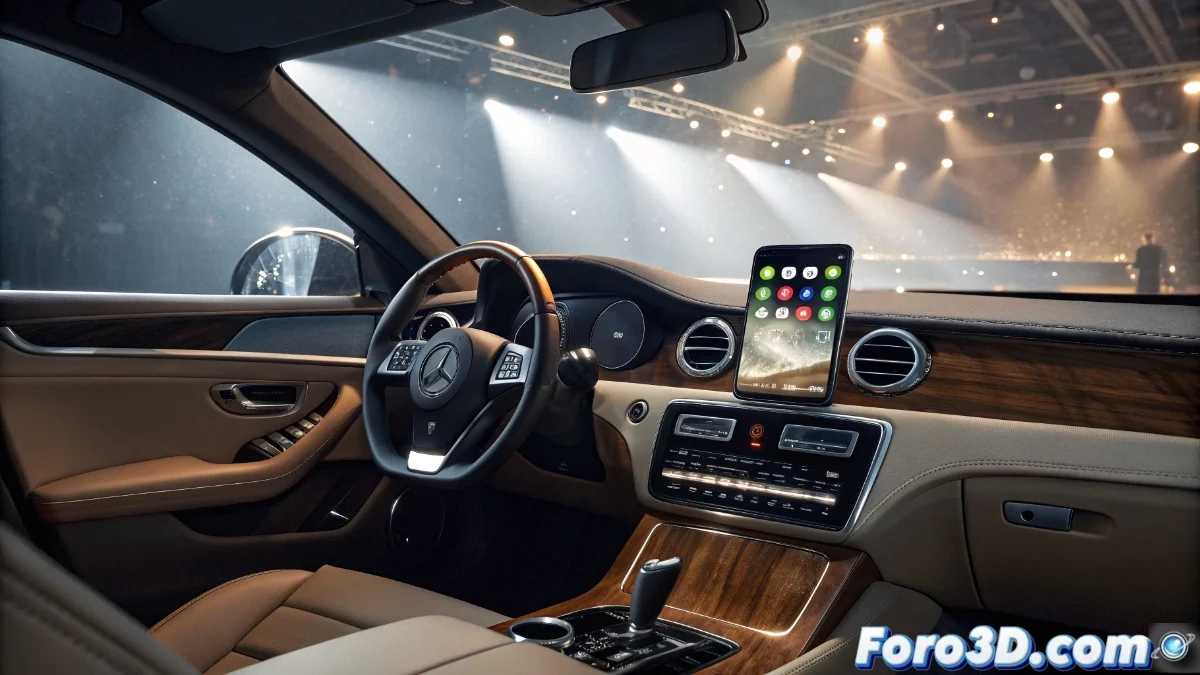
- Use of mobile devices as a temporary or permanent solution
Final Reflections on Technological Sustainability
Planned obsolescence in vehicle infotainment systems represents a significant challenge for both consumers and the industry. While manufacturers continue designing hard-to-update components, users face complex economic decisions between keeping outdated technology or investing in costly upgrades. Technological sustainability thus becomes a crucial aspect, where implementing modular designs and extended update policies could radically transform the user experience and reduce environmental impact. 🌍