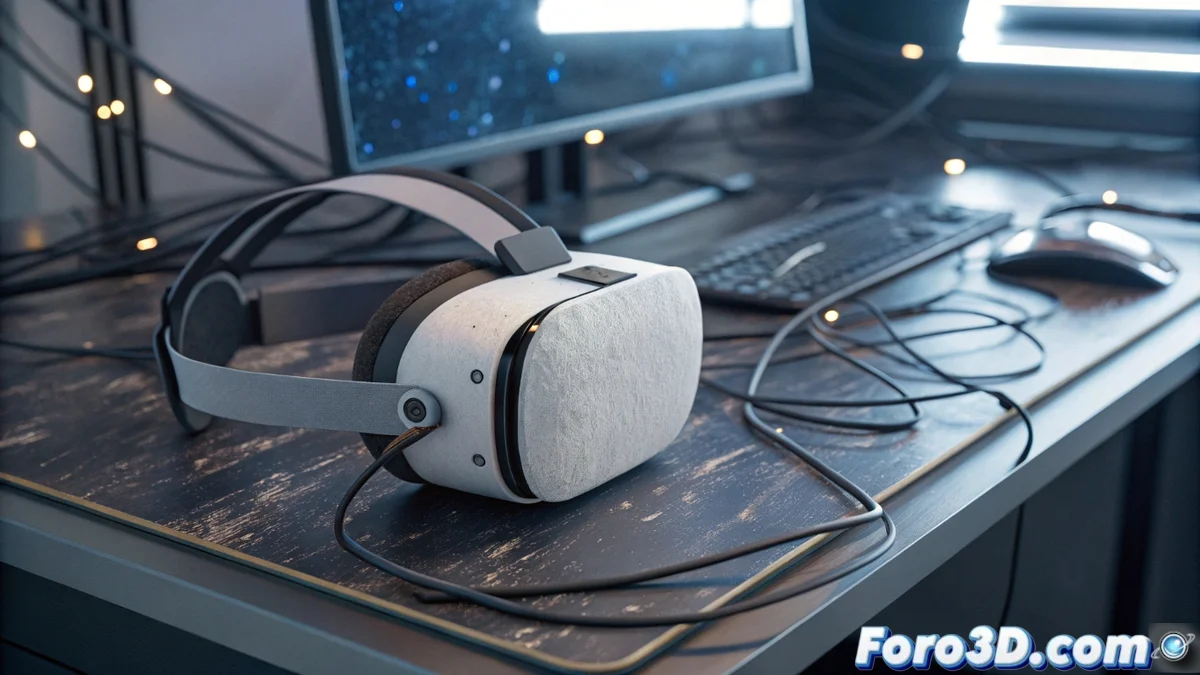
The Dilemma of Obsolete VR Glasses and Abandoned Support
The virtual reality industry advances at a frenetic pace, but this progress has a hidden side: the rapid aging of hardware. When manufacturers like Meta cease support for models like the Quest 1, users are left with devices that, although physically functional, become digital islands. 😕
Direct Consequences for the User
The abandonment of software support is not just a mere inconvenience. It blocks access to new experiences, security updates, and, most critically, social applications and games. At the same time, components like the internal battery and OLED screens suffer inevitable physical degradation, a process that the manufacturer does not facilitate repairing. This creates dual pressure that pushes toward replacement. 📉
Key Impacts of End of Support:- Loss of Utility: The device stops receiving new content, drastically limiting its original purpose.
- Forced Degradation: The battery loses capacity and the screen may suffer burn-in, with no official replacement options.
- Accelerated Obsolescence: The useful lifespan is artificially shortened, forcing a significant economic upgrade.
In the technological race, hardware ages like a smartphone in the hands of a mischievous child.
Alternatives and Risks of Unofficial Maintenance
Facing this situation, the enthusiast community seeks solutions on their own. Options like external batteries connected or even unauthorized hardware modifications to replace components are explored. However, these practices carry considerable risks, from warranty invalidation to permanent damage to the device, without guaranteeing the original performance. 🛠️
Maintenance Options Explored:- External Batteries: Palliative solution that adds weight and does not solve the problem of the degraded internal cell.
- Third-Party Modifications: Risky procedures that require advanced technical knowledge and void any future support.
- Advance Planning: The key lesson is to research long-term support policies before making a purchase.
Final Reflection on the Technological Cycle
There is a palpable irony: devices that promise immersive futures become forgotten relics at an alarming speed. This phenomenon underscores the importance of manufacturer transparency and the demand for more modular and repairable design. For the consumer, the moral is clear: in the VR ecosystem, software durability is as crucial as hardware quality at the time of investment. 🤖