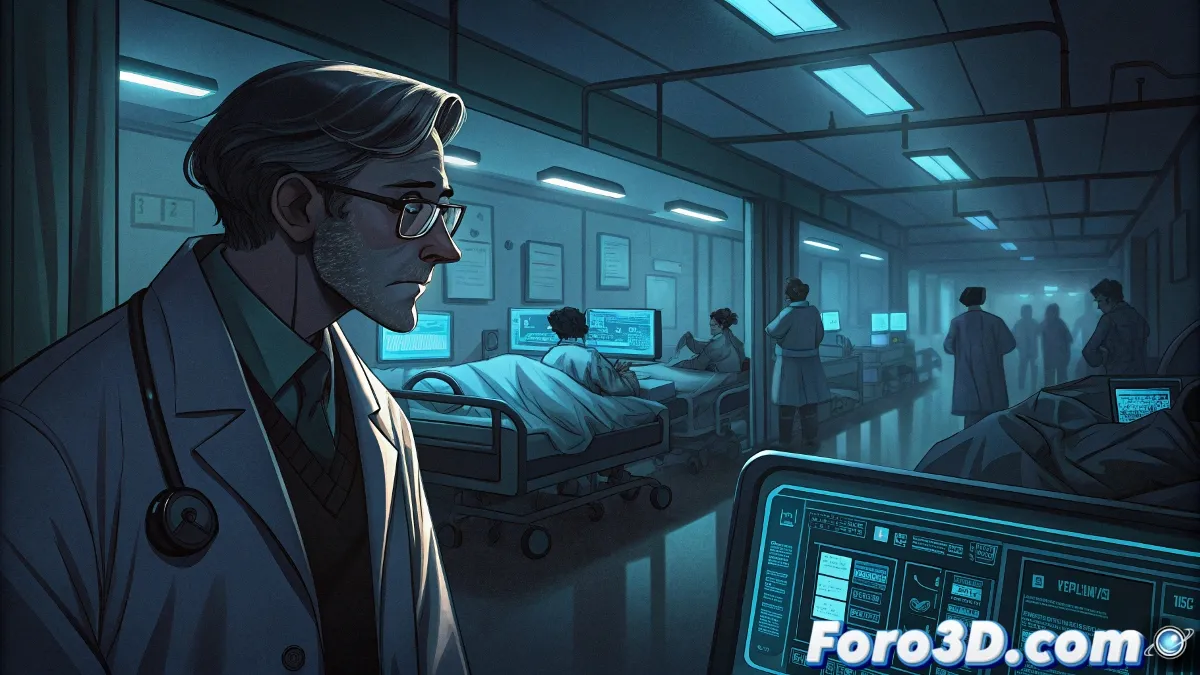
The Evolution of Medical Records in the Digital Era
The transformation of medical information systems has marked a before and after in healthcare. Where patients once carried thick physical files, professionals can now access clinical data with greater agility. This fundamental change has significantly improved care continuity between different centers and specialists.
The Path to Digitalization
The adoption of electronic systems accelerated at the beginning of the century in response to several key challenges:
- Need to reduce medical errors due to incomplete information
- Optimization of administrative processes
- Improvement in coordination between professionals
- Quick access to data in emergency situations
"Digitized medical information represents a qualitative leap in safety and efficiency, although it poses new challenges to be resolved"
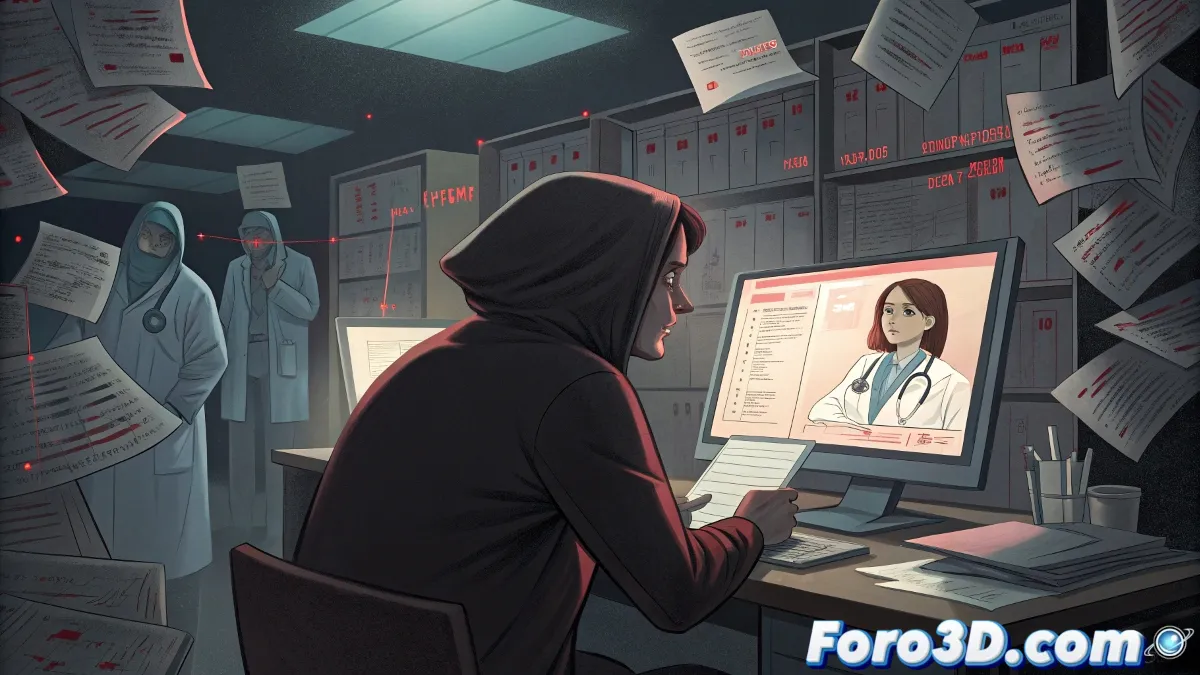
Current Achievements and Obstacles
While the benefits are evident, implementation has revealed important challenges:
- Data fragmentation: Incompatible systems between institutions
- Administrative overload: Doctors dedicate up to 6 hours daily to records
- Security risks: Vulnerability to cyberattacks
Impact on Clinical Practice
Digitalization has profoundly modified the work of healthcare professionals. While it facilitates the storage and retrieval of information, it has also introduced new complexities. Training in digital competencies has become essential, as has the design of more intuitive interfaces that do not compromise the doctor-patient relationship.
Future Perspectives
The next phase of development includes:
- Integration of artificial intelligence for predictive analysis
- Greater emphasis on interoperability standards
- Reinforcement of cybersecurity measures
- User experience-centered design
The current balance shows significant advances, but also underscores the need to address pending challenges to fully realize the transformative potential of the digital clinical history.