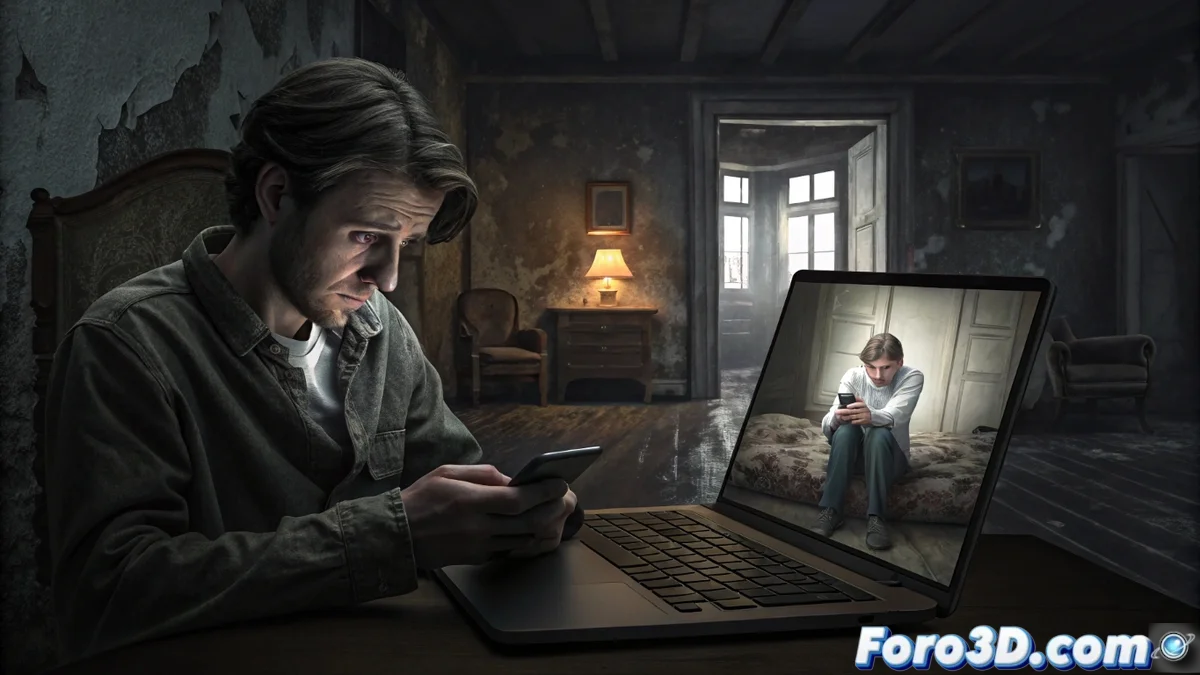
The Digital Mirage: How Deceptive Photos Dominate Apartment Hunting
Finding a home nowadays is more like navigating a virtual fantasy world than a serious real estate transaction. 🏙️ Portals are flooded with ads presenting ideal properties, but the harsh reality upon stepping into the place is usually a bucket of cold water. This strategy, focused on generating the maximum number of visits through extreme photographic makeup, has created a climate of widespread distrust. The searcher, excited by idyllic images, ends up wasting time and energy on a hunt for mirages. 😔
The Arsenal of Illusions: Techniques for Manufacturing Unreal Spaces
Behind every ad that promises a loft where there's only a studio, there is a set of premeditated visual tactics. Professionals in the sector and some individuals have perfected the art of deceptive representation, using tools that go beyond a simple filter. The goal is not to show, but to seduce, even if the promise is far from the truth. This systematic manipulation turns the search process into a frustrating and repetitive experience.
The most recurrent photographic tricks:- The "catalog model": Images of a renovated apartment or with better distribution within the same building are used, passing it off as the available unit. It is a direct visual substitute that misleads.
- Outdated stock photos: Images taken when the property was new or recently renovated are shown, hiding the wear accumulated over years of use and the passage of tenants.
- The magic (and distortion) of the wide-angle lens: It is the star tool. An ultra wide-angle lens can make a hallway look like a living room and a corner appear to be a room. It creates a sense of spaciousness that disappears in person.
The disappointment is not accidental; it is the calculated result of a strategy that values the click more than honesty.
Survival Guide: How to See Through the Digital Filter
To not be a victim of this institutionalized visual deception, it is essential to change attitude: go from passive receiver to active investigator. The key is verification and confrontation of information before and during the visit. It is not about being distrustful by default, but applying a healthy skepticism that protects you. Your time and expectations are valuable. 🛡️
Practical steps for a realistic search:- Request raw material: Before visiting, ask for videos recorded in real time or additional photos taken with the mobile without editing. Specifically ask about the condition of the kitchen, bathroom, carpentry, and any pending repairs.
- Confront during the visit: Bring the ad images with you (on your mobile) and compare them meticulously with what you see. Point out the most noticeable differences on the spot to the agent or owner; their reaction will be very revealing.
- Report the deception: If the discrepancies are flagrant, report the ad on the platform. This practice not only harms you, but devalues the credibility of the entire market and harms serious advertisers.
Looking Beyond the Pixel: The Importance of the Final Decision
Choosing an apartment is not just choosing four walls; it is signing a long-term commitment, both financial and emotional. Basing this crucial decision on a well-produced digital fiction can have very costly consequences, from paying a disproportionate rent to the unhappiness of living in a space that does not fit your needs. The next time you see a bright attic in a photo, remember that you might actually be looking at a basement with aspirations. The lesson is clear: in today's real estate world, if something seems too good to be true in a photo, it almost certainly isn't. 🔍