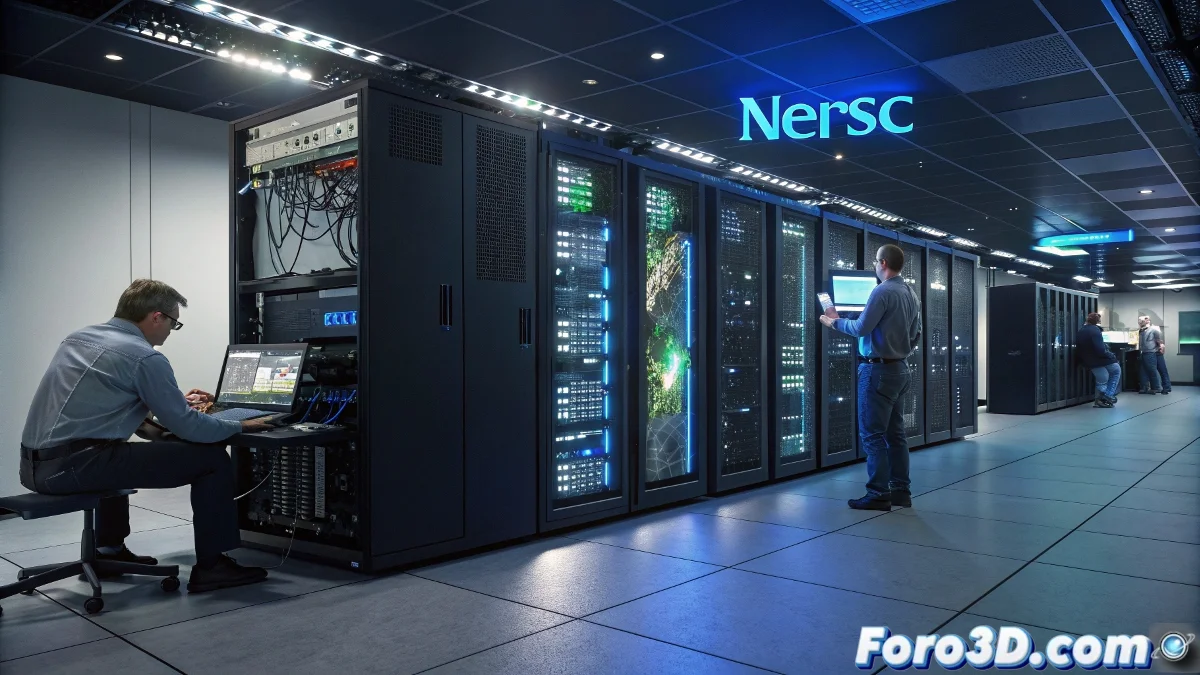
Doudna: The Supercomputer That Will Make Your PC Seem Like an Abacus
In the world of supercomputing, where machines compete to be faster than a student taking notes on the last day of class, arrives Doudna. This technological monster promises to be 10 times more powerful than its predecessor, which in human terms would be like Usain Bolt competing against a sleepy snail. 🐌💨
"Doudna is not just any supercomputer, it's like if Einstein, Tesla, and a Minecraft server fused into a single machine"
A Name Worth a Nobel
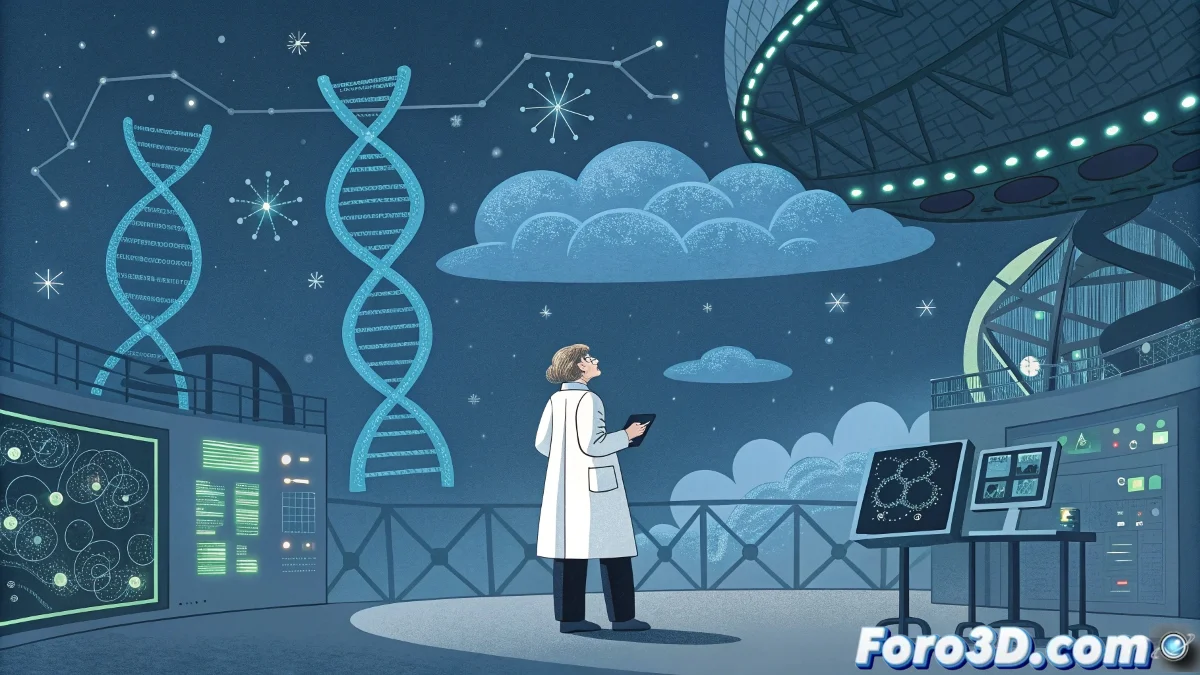
Named in honor of Jennifer Doudna, Nobel Prize winner for her work with CRISPR, this supercomputer demonstrates that in science, important surnames are no longer only in physical laws, but also in data centers. The choice of name is not casual: it represents the fusion between biology, artificial intelligence, and high-performance computing. Or in other words, the perfect trio to dominate the world (scientifically speaking, of course). 🧬
It's Not Size, It's How You Use It
What makes Doudna special is not just its brute power, but its ability to revolutionize daily research. Among its superpowers are:
- Genetic analysis at Pokémon speed (sequence and evolve!)
- Astronomical simulations so precise they could find black holes in your code
- Molecular modeling that will make your Blender renders look like crayon drawings
The Technological Race Heats Up
While the United States presents Doudna, other countries are not far behind. China has Sunway Oceanlite and Japan has Fugaku, in a competition that reminds us of Godzilla battles, but with less city destruction and more scientific advances. 🌍 The U.S. Department of Energy even compares it to the Manhattan Project, though they promise that this time they will only explode... minds.
Energy Efficiency: When Size Does Matter
For a machine that could fry an egg just by looking at it, Doudna is surprisingly efficient. It will use advanced liquid cooling, because when your PC has the power of a small city, a €20 Amazon fan isn't enough. Among its eco-friendly features:
- Chip architecture that saves more energy than a student during exam season
- Intelligent load balancing that would make any systems administrator cry with envy
- Thermal systems that are probably more sophisticated than the building's air conditioning
While we await its arrival in 2026, a reflection: the RTX 4090 you use for rendering has more power than supercomputers from 20 years ago. So the next time your PC crashes, console yourself by thinking that you're experiencing the same problems that scientists had in 2003... only they couldn't restart and blame Windows. 😅
Moral: In the future, supercomputers will solve all our problems, except the most important one: making your 3D printer stop jamming in the middle of an important project.