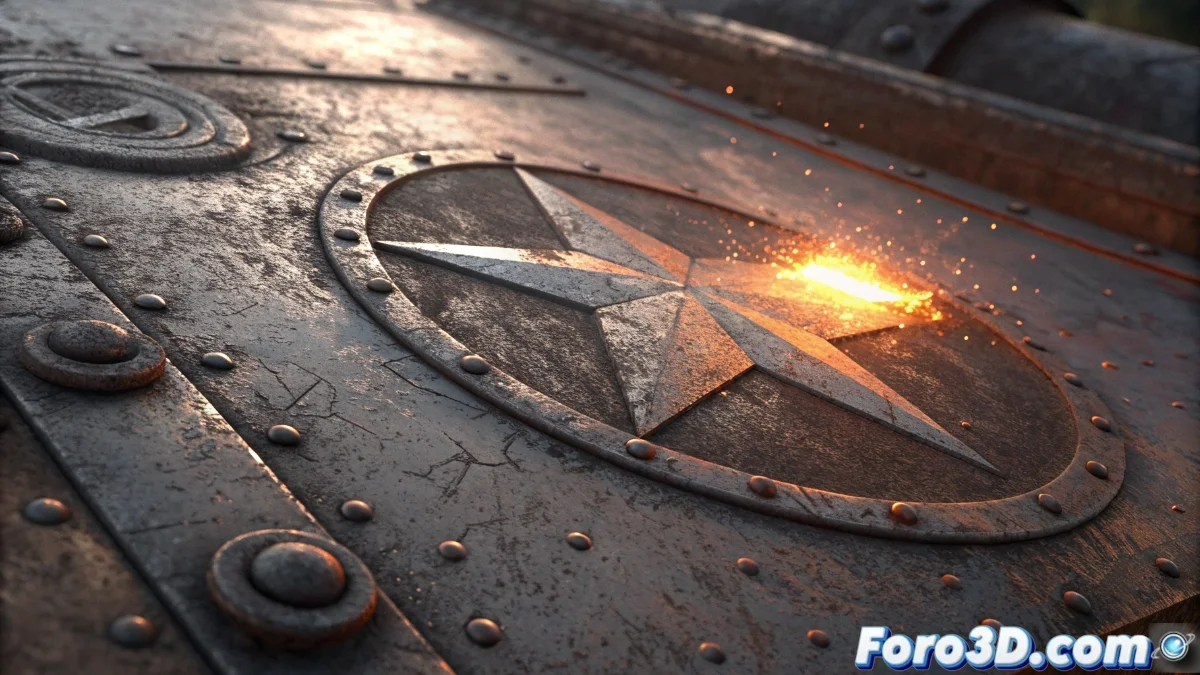
The Decal Pass in Computer Graphics: Technique and Application
In the field of computer graphics, the decal pass constitutes a fundamental method for visually enriching three-dimensional models through the application of projected textures onto existing surfaces. This technique preserves the original geometry while incorporating detailed elements such as logos, symbols, or localized wear effects, offering an efficient solution for adding narrative realism without resorting to complex models 🎨.
Benefits in Interactive Applications
The implementation of dynamic decals provides significant advantages in real-time environments, particularly in video games where performance is crucial. Contemporary graphics engines like Unreal Engine and Unity integrate automated systems that manage perspective correction and blending with base materials, allowing intelligent reuse of textures across multiple surfaces 💻.
Key Aspects of Decals:- Rendering efficiency through volumetric projection or screen-space
- Ability to simulate interactive effects such as ballistic impacts or dirt accumulation
- Natural integration with global illumination and shading systems
Decals transform generic surfaces into unique elements, although excessive use can result in visual overload, like a race car saturated with stickers.
Advanced Technical Implementation
To achieve an optimal implementation, developers employ specialized shaders that handle transparencies and normal correction, while meticulously managing the rendering order to avoid depth artifacts. Asset creation is facilitated by professional tools like Substance Painter and Designer, which ensure stylistic coherence 🛠️.
Best Technical Practices:- Use of masks to control projection intensity
- Optimization of texture resolutions for quality-performance balance
- Proper configuration of rendering priorities for shadow integration
Impact on Production Workflow
The decal pass represents an essential pillar in modern production pipelines, allowing artists to incorporate layers of detail that elevate visual realism without compromising computational efficiency. Its correct implementation makes the difference between generic scenes and visually rich, narratively coherent environments ✨.