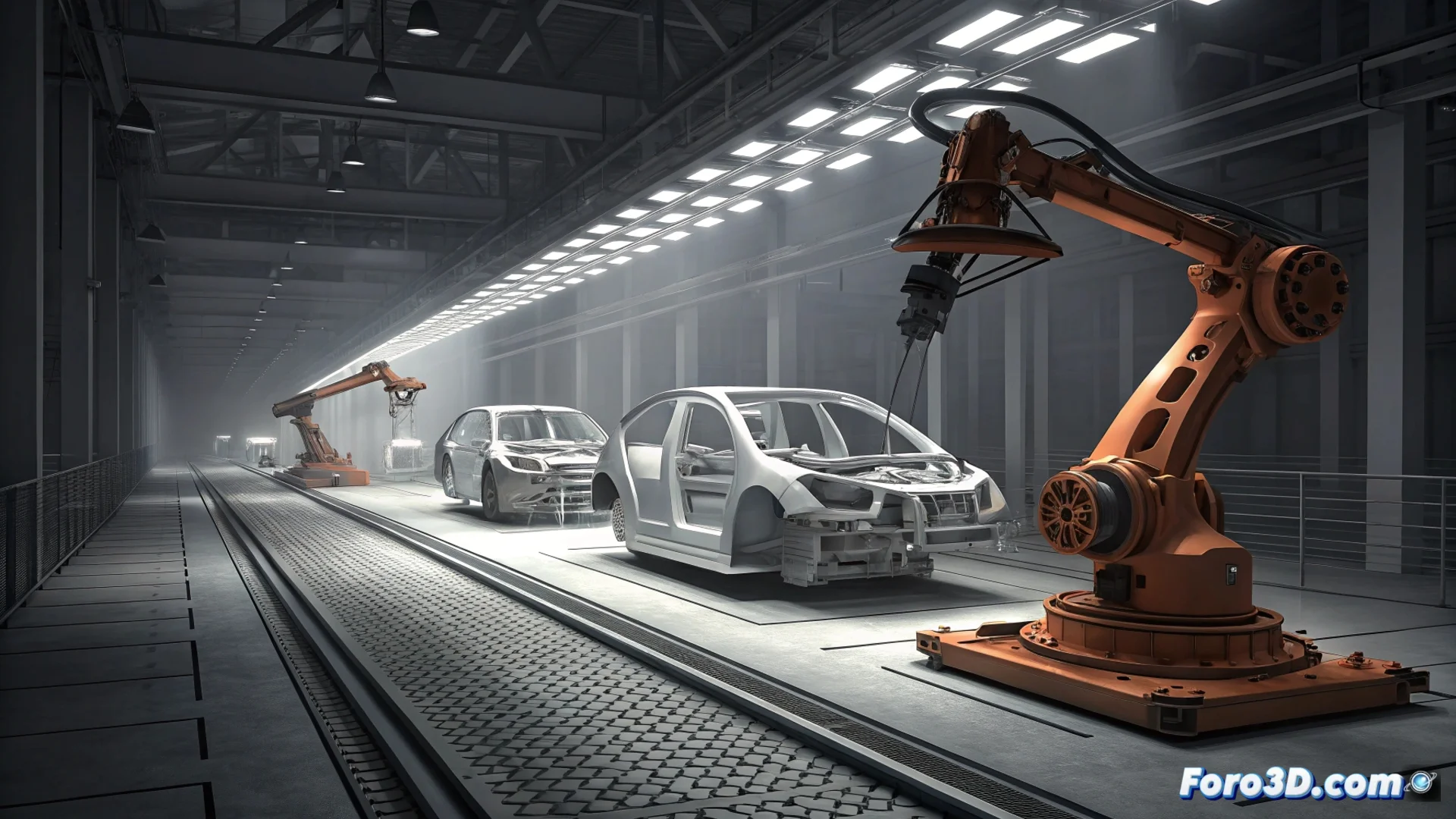
The Dark Factory Transforms Automotive Production
The automotive industry is advancing toward a model of human-hand-free manufacturing in the main process. This model, called the dark factory, allows assembly lines to operate autonomously. Robots and AI organize every step, from joining the structure to installing the cabin. Lights are lowered to the precise level needed for machines to work, cutting energy costs and optimizing flow.
Key Technology Driving the Change
Full automation relies on an integrated network of equipment. Precise mechanical arms move heavy or fragile parts. Autonomous carts transport supplies between points without incidents. Sensors and machine vision cameras check every component and joint instantly. A control core monitors everything and makes pace adjustments to maintain progress. The interconnection between devices ensures nothing stops the cycle.
Essential Elements:- Robotic arms handle delicate tasks
- Guided carts avoid collisions during transport ⚙️
- Sensors inspect quality live
- Central core adjusts speeds
While robots install doors and windows, an engineer might plan to automate equipment joints, an area that AI has yet to conquer
Effects on the Industry and Personnel
This shift changes the type of workers in plants. They no longer perform repetitive manual tasks. Now they monitor systems, program robots, and repair advanced equipment. Factories run around the clock without shift breaks, increasing the number of units ready. However, it requires a large investment in equipment and software. It also forces adjustments to the supplier network to keep up with the accelerated pace.
Benefits and Challenges:- Increases continuous output without interruptions ⏰
- Shifts roles to supervision and maintenance
- Requires high initial investment
- Adapts supplies to fast rhythms
Final Vision
Dark factories boost efficiency with robots, AI, and autonomous systems, reduce human errors, and operate non-stop, though they demand investments and supply chain adjustments