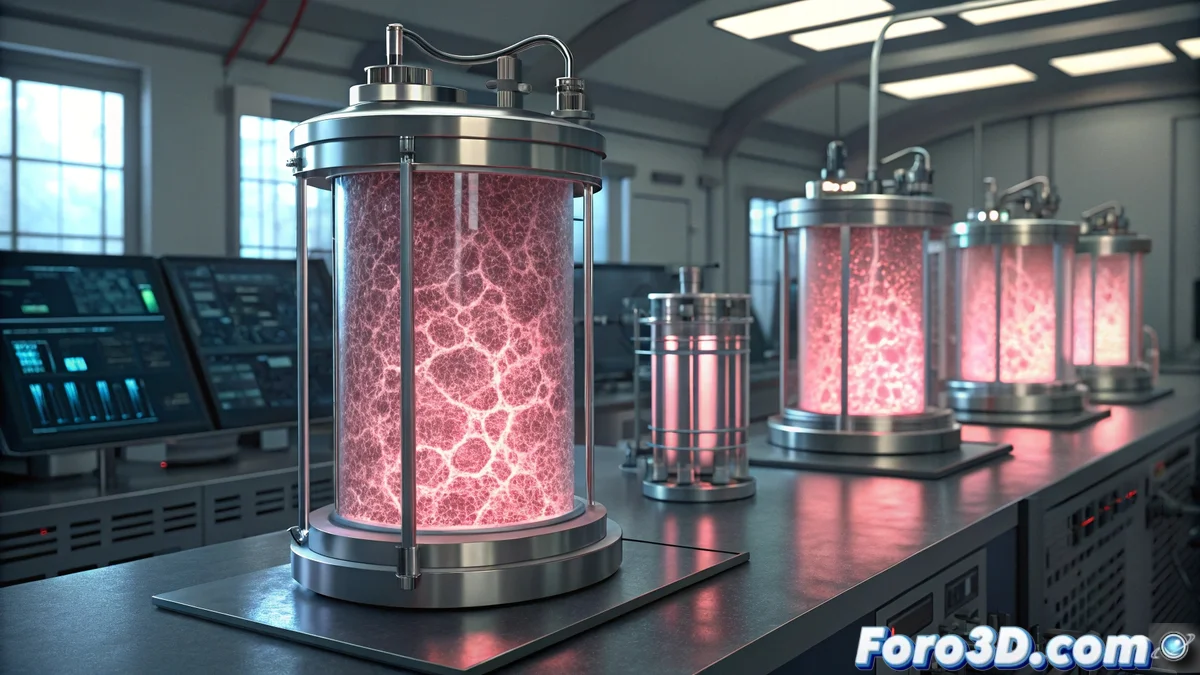
The Cultivated Meat Revolution: Future and Benefits
Cultivated meat represents a groundbreaking innovation in the food sector, providing a genuine alternative to conventional meat production methods. This technology is based on cell extraction through non-invasive biopsy procedures on live animals, which are then grown in specialized bioreactors with optimized nutrient media. This method allows for controlled cell proliferation until muscle and adipose tissues are formed, faithfully reproducing the characteristics of traditional meat. Technological evolution in this field is advancing at a rapid pace, establishing itself as a promising solution for tomorrow's food systems 🧪.
Ethical Advantages and Environmental Sustainability
This production approach presents notable benefits in terms of animal ethics and natural resource conservation. By eliminating intensive farming and the slaughter of whole animals, animal suffering is substantially minimized, offering a conscious alternative for consumers concerned about animal welfare. Simultaneously, it significantly reduces the ecological footprint associated with traditional livestock farming, including the generation of polluting gases, extensive land use, and massive water consumption. These advantages position cultivated meat as a responsible and sustainable option in the face of contemporary environmental challenges 🌱.
Key Aspects of Cellular Production:- Obtaining cell samples through painless biopsies on animals
- Cultivation in bioreactors with specific essential nutrients
- Development of muscle and fatty tissue identical to conventional meat
Cultivated meat represents not only a technological advance but a paradigm shift in our relationship with food production and responsible consumption
Current Situation and Development Projections
Although cultivated meat is in the early stages of commercial implementation, accessible products already exist in specialized markets in various countries. The main obstacles this technology faces include regulatory approval and industrial scalability for mass production. Nevertheless, its potential to revolutionize global food systems is extraordinary, anticipating significant improvements in food security and resource efficiency. Ongoing research indicates that in the medium term we will witness a notable expansion in availability and accessibility for the general consumer 🚀.
Challenges and Opportunities in the Sector:- Regulation and approval by international health authorities
- Industrial scalability and reduction of production costs
- Cultural acceptance and consumer adaptation
Social Perspective and Cultural Adaptation
Imagine explaining to previous generations that your steak comes from a laboratory instead of the family farm - they would likely show initial skepticism, but the animals would undoubtedly support this choice. This cultural transition represents one of the most fascinating aspects of this food revolution, where technological innovation converges with ethical and environmental awareness. The progressive acceptance of these alternatives will mark a milestone in the evolution of our eating habits and our relationship with the planet 🌍.