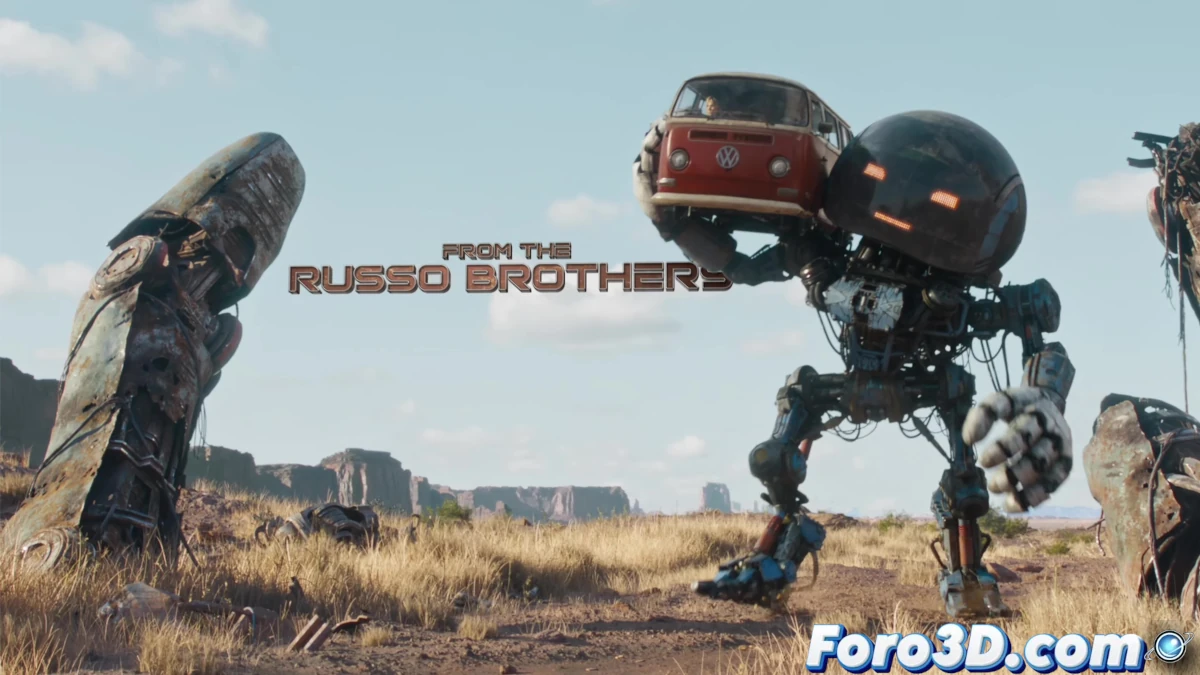
In the film industry, bringing a character that doesn't exist in reality to life is a challenge that combines creativity, advanced technology, and meticulous dedication. A recent film project showed how a character named Cosmo was developed, a process that began long before the filming cameras were turned on, at the design tables.
From Sketches to Screen
The initial process for creating Cosmo began with the design of visual concepts. The artists worked on developing the first sketches, which served as the basis for defining the character's appearance and personality. Every detail was carefully planned, from his facial expressions to his postures. These concept drawings not only guided the designers but also provided key information to the technicians to understand how Cosmo should move and behave in the film.
The Magic of Motion Capture
Once the character's visual appearance was defined, the next step was to give it movement. For this, motion capture was used, a technique in which an actor, equipped with a special suit, recorded his gestures and movements. This data was then digitally transferred to the character, allowing it to have an expressiveness that evoked an almost human emotional connection with the audience.
The Final Touch with Advanced Visual Effects
The final step in creating Cosmo was the application of visual effects. Here, the technicians were in charge of integrating the character into the film's world, taking care of every detail of lighting, shadows, reflections, and textures. Thanks to these visual effects, Cosmo went from being a digital creation to a being that seemed as real as any live actor.
An Example of Cinematic Innovation
The process of creating Cosmo, from its first sketch to its final integration on screen, exemplifies how technology and creativity can come together to expand the boundaries of cinema. Cosmo is not just a fictional character, but a testament to the hard work, innovation, and passion invested in telling stories that move and transcend the ordinary.