Council of Europe Warns About Overcrowding in French Prisons
A key body for protecting human rights on the continent has issued a stark warning. Its annual report indicates that prisons in France are operating with a prison density exceeding 120%, placing it among the highest figures in Europe. This critical situation creates living conditions that, according to the report, undermine the dignity of persons deprived of liberty and does not appear to be resolving anytime soon. 🚨
Detention Conditions That Violate Fundamental Rights
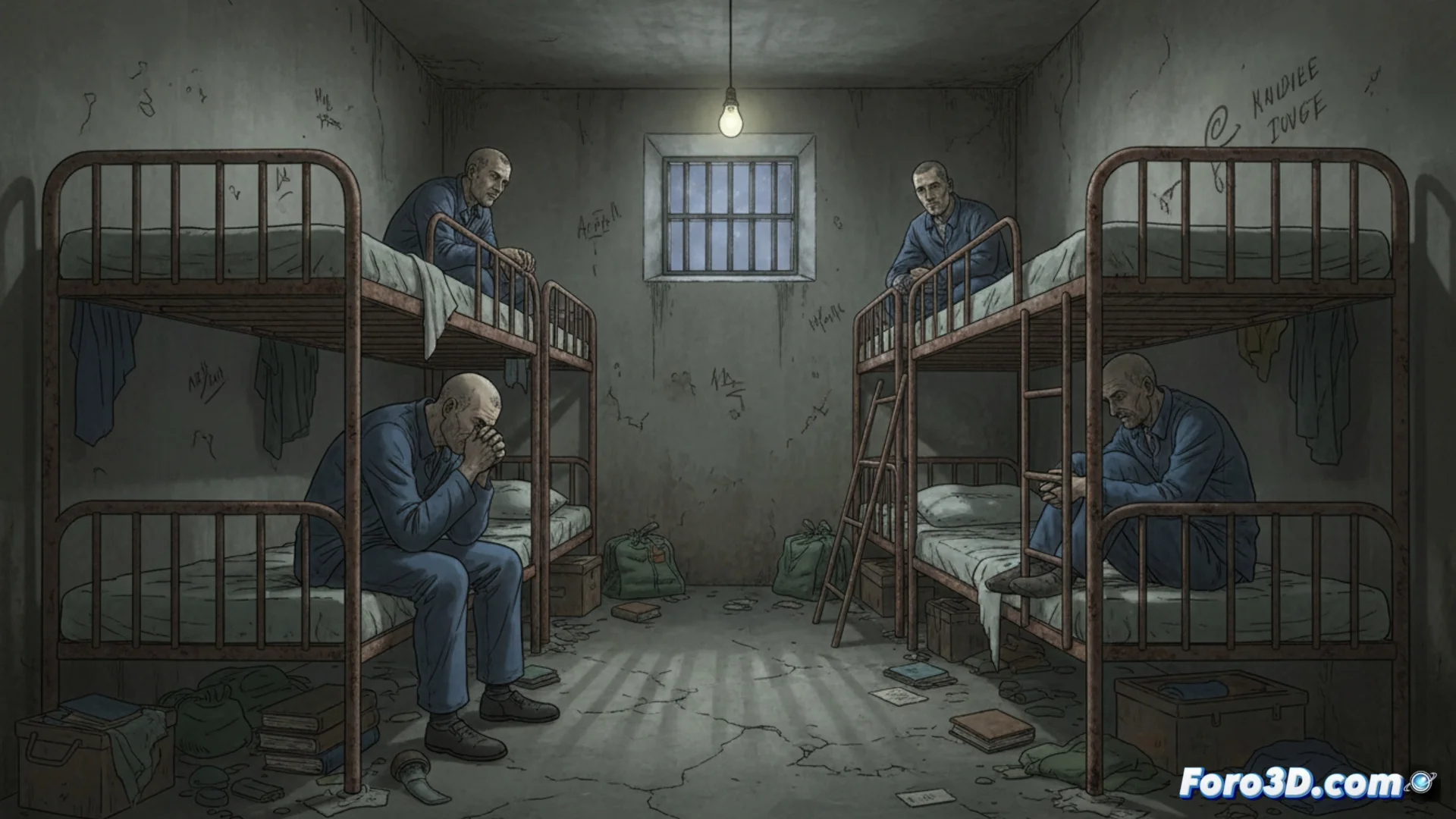
The document details how chronic overcrowding affects daily routines in the facilities. Cells designed to house a single individual end up occupied by two or three, severely restricting access to basic elements. The Committee for the Prevention of Torture, part of the Council, verified this reality during several visits, confirming that the lack of space and staff prevents guaranteeing fundamental rights.
Problems Documented in the Facilities:- Limited access to medical services and rehabilitation programs for inmates.
- Reduction in the time they can spend in open spaces like yards.
- Increase in tension and conflicts within the facilities due to overcrowding.
Chronic overcrowding prevents the respect of the fundamental rights of those confined.
Official Recognition and Insufficient Responses
French authorities do not deny the magnitude of the challenge. The government admits the problem and points out that it is building new penitentiary spaces. However, the pace of constructing these places cannot keep up with the constant increase in the number of inmates. Criminal justice experts emphasize the need to change how pretrial detention is applied and to promote alternatives to imprisonment for less serious offenses.
Measures and Criticisms Raised:- Building new infrastructure advances more slowly than the growth of the prison population.
- Policies on pretrial detention need to be reviewed to reduce its use.
- It is a priority to promote alternatives to prison sentences for minor offenses.
A Daily Logistical and Human Challenge
While the political debate continues, penitentiary staff must manage an extreme operational reality. In many facilities, the lack of space is such that even hallways are adapted for inmates to sleep, a practice that contradicts any standard protocol and greatly complicates management and security. The definitive solution, analysts agree, requires a multi-faceted approach that combines investment in infrastructure with deep legal reforms. Human dignity within the walls cannot wait. ⚖️