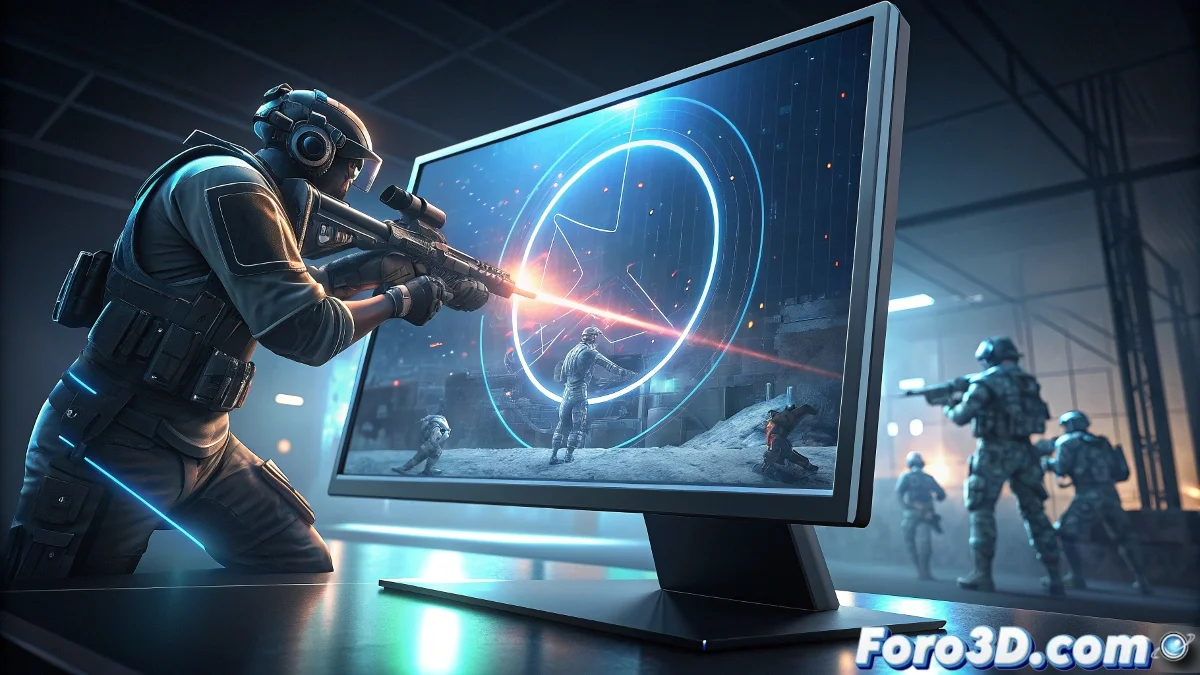
The Controversy of GIGABYTE Monitors with AI-Powered Tactical Features
The launch of the new GIGABYTE monitors with AI-powered tactical features has sparked intense debate in the gaming community. These technologies, specifically AIM Stabilizer and Black Equalizer, process the image in real-time using machine learning algorithms, modifying fundamental mechanics of shooters 🎯
The Line Between Assistance and Automation
The central discussion revolves around whether these features cross the line from traditional display enhancements into the territory of skill automation. While adjustments like brightness or saturation have always been allowed, AIM Stabilizer actively modifies elements that traditionally require player skill.
Controversial features:- AIM Stabilizer - Reduces visual recoil through algorithmic compensation
- Black Equalizer - Improves visibility in dark areas automatically
- Real-time processing - Algorithms that learn and adapt the image
Nothing says pure skill like letting an algorithm correct your aim while you focus on deciding which emote to use after eliminating someone
Stance of Leagues and Developers
Organizations like ESL and official tournaments for games like Valorant or Counter-Strike 2 typically prohibit features that alter the base gameplay. The lack of a unified standard creates gray areas in regulations where what's allowed in casual matches could be penalized in professional competitions.
Relevant cases:- Ubisoft in Rainbow Six Siege has blocked similar features
- ESL maintains restrictive policies on visual modifications
- Each competition sets its own allowed criteria
The Future of Technology in Competitive Gaming
The technological evolution in gaming peripherals raises fundamental ethical questions about what constitutes legitimate skill. While manufacturers innovate, the competitive community must establish clear boundaries that preserve the competitive essence of video games without hindering technological progress.