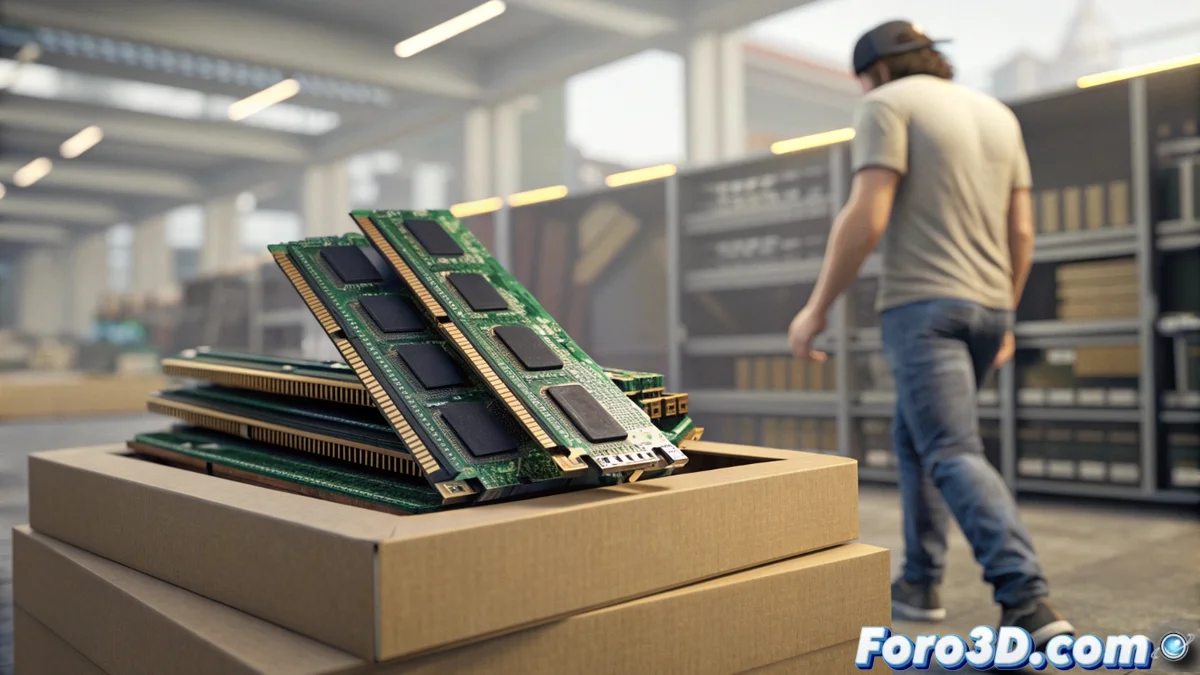
The Component Market Tightens Due to DDR5 Memory Prices
An unexpected surge in the costs of DDR5 memory modules is causing a significant domino effect in the PC hardware sector. This increase not only makes end-user systems more expensive but also acts as a brake on the adoption of the latest Intel and AMD platforms, creating an economic bottleneck for gamers and enthusiasts. 🚨
The Chain Reaction: Motherboards in the Crosshairs
The direct impact is felt in sales of DDR5-compatible motherboards. Users planning to migrate to modern architectures like Intel Alder Lake, Raptor Lake, or AMD Ryzen 7000 face a financial barrier. The cost-benefit ratio of upgrading is severely compromised, creating a disconnect between the innovation offered by manufacturers and the market's actual purchasing power. This phenomenon threatens to slow down the global renewal of computer fleets.
Key Factors Behind the Market Tension:- Global Supply and Demand Dynamics: Issues in the supply chain and high demand concentrated on certain components.
- Technological Transition: Production costs for the new DDR5 technology have not yet fully stabilized.
- Market Strategies: Possible price adjustments by memory chip manufacturers (such as Samsung, SK Hynix, and Micron).
"If the cost of memory makes upgrades unfeasible, users simply won't buy the rest of the necessary components." - Predominant sentiment in specialized forums.
The Voice of the Community: Organizing the Resistance
In response to this situation, an active segment of the gamer and enthusiast community has decided not to be passive. Through digital platforms, they are coordinating an explicit call for a boycott of DDR5 motherboard purchases. 🛑 The goal is clear: to exert collective pressure on manufacturers and distributors to force a readjustment in memory prices. The logic is powerful: by halting demand for an essential component (the motherboard), the entire value chain is pressured.
Boycott Movement Strategies:- Coordination on Networks and Forums: Use of online communities to spread the message and organize collective action.
- Direct Economic Pressure: Delaying or canceling upgrade plans to impact premium segment sales.
- Raising Awareness: Informing other users about the impact of prices and alternatives (such as sticking with DDR4).
An Uncertain Future for Manufacturers and the Market
This organized resistance places hardware manufacturers in a complex position. They have inventory of high-end products designed for a technology whose main complement (RAM) has become less accessible. Analysts warn that, although the factors behind the rise are multifaceted, the end-consumer resistance is a variable with enormous weight. If the movement gains traction, it could trigger a reevaluation of pricing and launch strategies. The risk of a technological renewal stagnation is a tangible concern for the entire industry. Ultimately, this episode demonstrates that the law of supply and demand is a two-way street, and users are showing their power to temporarily rewrite the rules of the game. ⚖️