The Common Agricultural Policy strains the Italian countryside
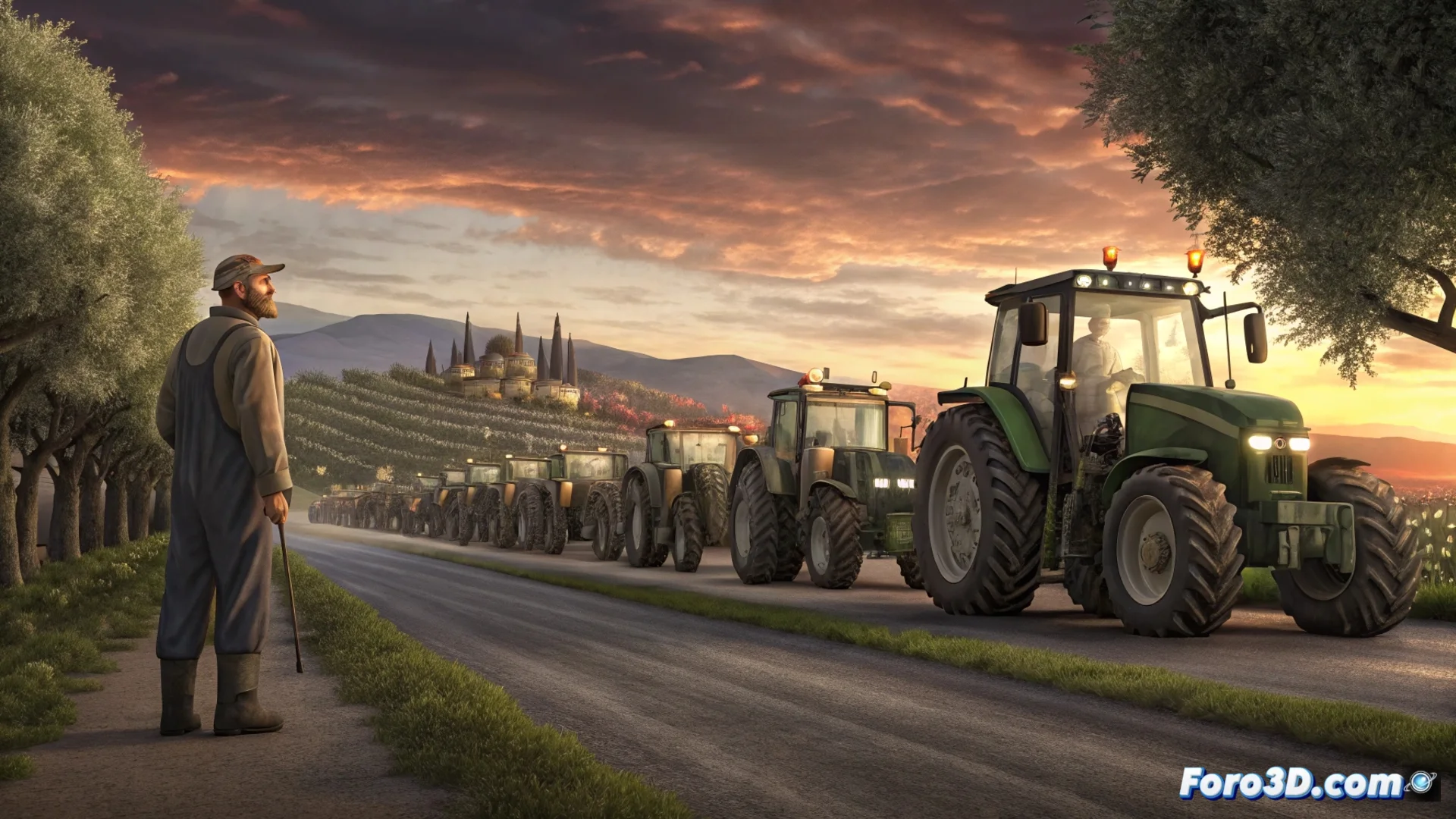
The agricultural sector in Italy is experiencing growing pressure, with many producers directly pointing to the rules of the European Union's Common Agricultural Policy (CAP) as the root of the problem. Farmers argue that the economic viability of their businesses is undermined by a combination of complex administrative requirements, strict environmental demands, and unfair competition from imported products under international trade agreements. This situation has led to a visible social outburst, with tractors blocking roads in various regions to make their discontent heard. 🚜
The farmers' central demands
The protests are articulated around three main demands that seek to reform how the CAP is applied in Italy. The demonstrators claim that the current system particularly harms family farms and medium-sized operations, which are the backbone of Italian agriculture and its cultural landscape.
The three pillars of the protest:- Simplify administration: Drastically reduce the paperwork burden and procedures required to access European subsidies, which consume valuable time and resources.
- Flexibilize the Green Deal: Moderate the European Green Deal's environmental rules, considered too rigid and costly to implement within current deadlines, without sufficient economic support.
- Protect the domestic market: Establish effective measures against imports from non-EU countries that do not meet the same production, safety, and animal welfare standards, allowing them to offer lower prices.
The underlying debate is how to reconcile the EU's environmental objectives with preserving a diverse agricultural fabric deeply rooted in the territory.
The impact on traditional production models
This crisis calls into question the future sustainability of many traditional Italian farming models, world-renowned for their quality but with inherently higher production costs. Producers of wine, olive oil, or cheeses with protected designation of origin perceive that the uniform rules designed in Brussels do not take into account their particularities and local specificities.
Consequences for the sector:- Risk to quality: Pressure to compete on price may force the abandonment of artisanal practices that define iconic products.
- Loss of diversity: Smaller farms with less capacity to adapt to new bureaucracy are the most vulnerable.
- Social fracture: A rift emerges between the rural and urban worlds, where some citizens do not understand the depth of the problem, focusing on superficial aspects like the noise of the protests.
An uncertain future for Italian agriculture
The tension between community regulations and the reality of the Italian countryside seems to have reached a critical point. The tractor protests are the most visible expression of a deep malaise that questions the future of a sector that not only produces food but also shapes the landscape, culture, and identity of the country. The solution will require complex dialogue to balance the ecological transition with the protection of a unique agricultural model. 🇮🇹