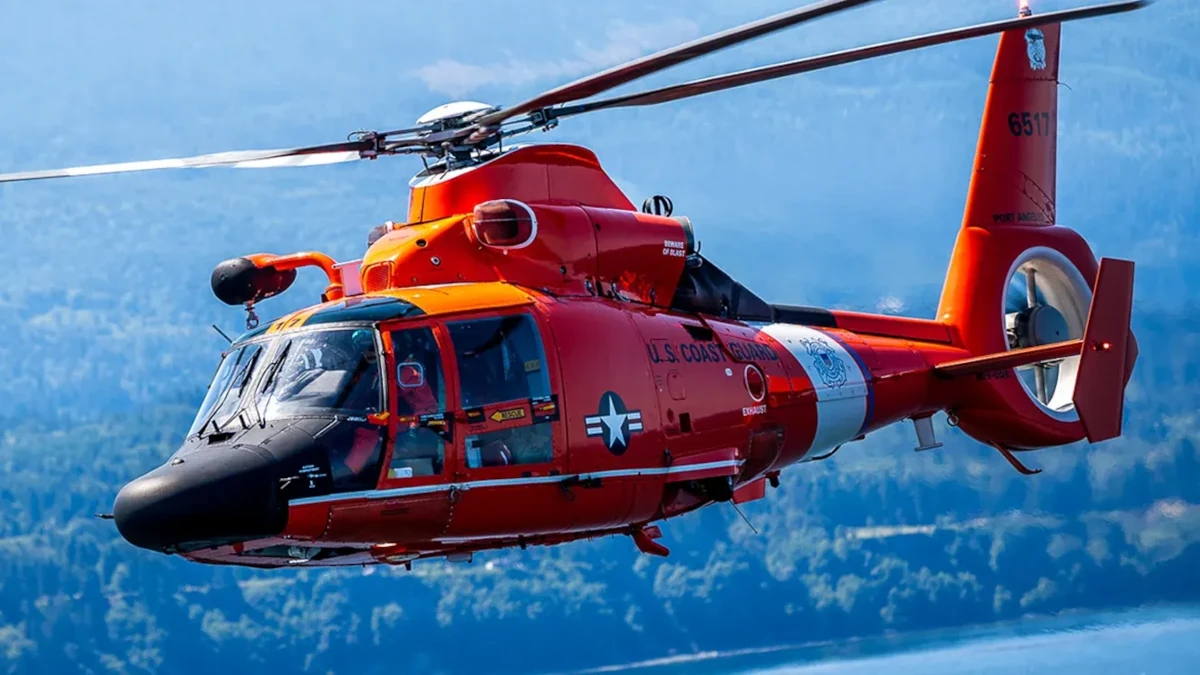
The U.S. Coast Guard faced a critical shortage of parts for its MH-60T helicopter fleet, putting its operational capability at risk. Faced with this challenge, it turned to the additive manufacturing (AM) team at the Naval Air Systems Command (NAVAIR) to find a quick and effective solution. Thanks to a joint effort, they managed to keep the helicopters operational without interruptions.
The Initial Problem
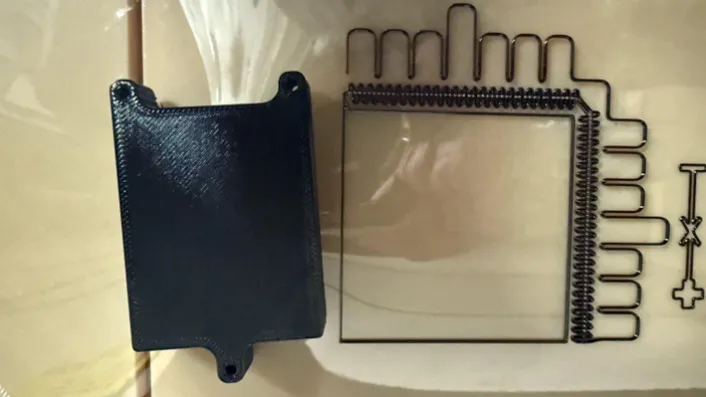
In late November, while Coast Guard personnel were preparing to update the wiring of the Automatic Asset Tracking System (AATS) on their helicopters, a problem arose: an essential component, the AATS spacer support, was not available on the market. Commander Andrew Armstrong, in charge of fleet logistics, explained that all parts had to be available before sending the update to the fleet. So the only viable option was to manufacture the part using additive manufacturing.
Collaboration with NAVAIR
The Coast Guard's additive manufacturing team developed a prototype and began production, but soon faced a new obstacle: the Black Ultem shortage, a material necessary for manufacturing the support. Aware of the urgency of the situation, Commander Armstrong contacted Ted Gronda, NAVAIR's AM program manager, who immediately activated the necessary resources to find a solution.
A Quick and Efficient Solution
The NAVAIR team evaluated its resources and discovered that its systems could meet the Coast Guard's requirements. Authorizing a deviation, they decided to manufacture the parts at the Oceana Fleet Readiness Center in Virginia. However, the necessary material was not available at that location. After making several calls, they found the Black Ultem at the Patuxent River Polymer Research Center, several hours away. A team member volunteered to drive the material to Virginia Beach to ensure on-time delivery.
Production in 24 Hours
Once the material was received, aeronautical technician Petty Officer 2nd Class Charles Oneal began production immediately. In just 24 hours, he managed to print and deliver 15 AATS spacer supports, ensuring that the update kits were ready to be sent to the MH-60T helicopter fleet without delay.
An Example of Interagency Collaboration
This effort highlights the importance of collaboration between different agencies and the ability of additive manufacturing to respond quickly to urgent needs. The NAVAIR team has documented the process so it can be repeated and streamlined in the future. Commander Armstrong highlighted the Navy's rapid response and how, working together, they improved the availability of a critical resource.
Prepared for Future Challenges
From now on, every Coast Guard MH-60T helicopter will carry the additive manufacturing-produced spacer support as part of its standard equipment. This initiative not only demonstrates the adaptability of both organizations but also strengthens the availability of military assets, better preparing them to face similar challenges in the future.