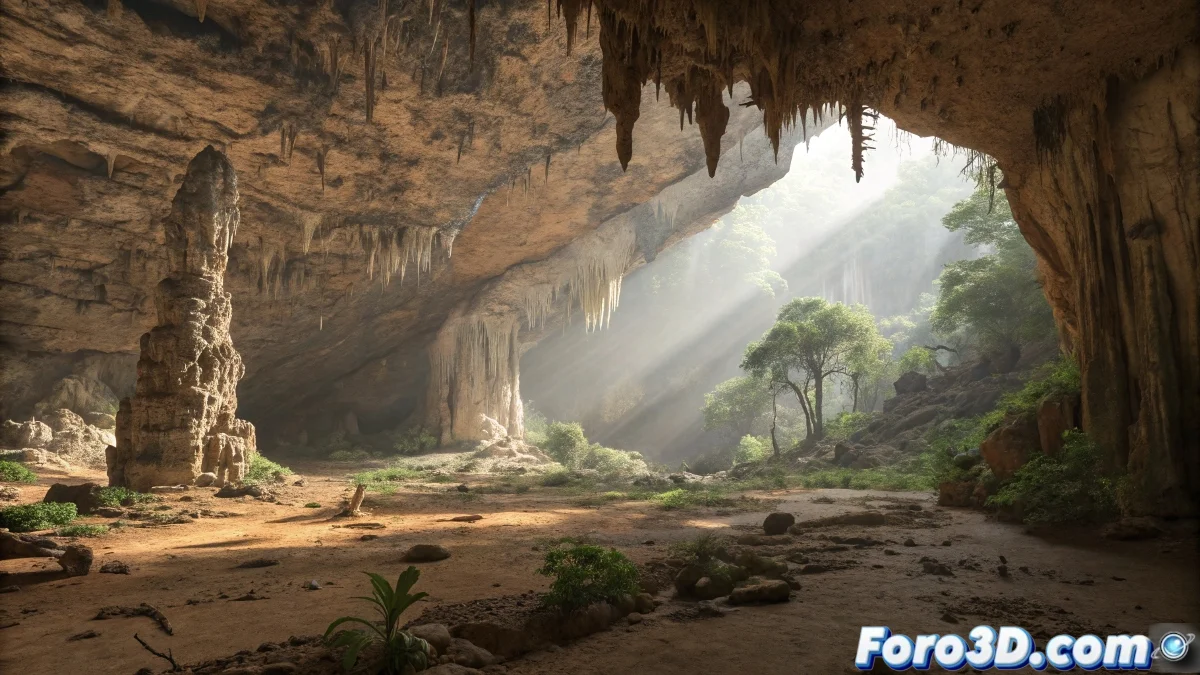
When Stones Speak: The 3D Testimony of the Mayan End
An interdisciplinary team has transformed cave formations into the most precise climate archive of the Mayan collapse, using 3D visualization techniques that would make ancient scribes pale with envy 🗿💻. The stalagmites from Yucatán, analyzed layer by layer like a geological hard drive, reveal that nature was the relentless judge of this civilization.
Digital Tools Decipher the Past
Using Blender, Houdini, and Substance Painter, researchers have recreated: - Caves with volumetric lighting showing the passage of time - Mineral stratifications turned into animated graphs - Simulated droughts drying up pools century after century All this correlated with archaeological records of mass abandonments in cities like Tikal, where 3D technology shows what the Mayans couldn't see coming 🌧️➡️🔥.
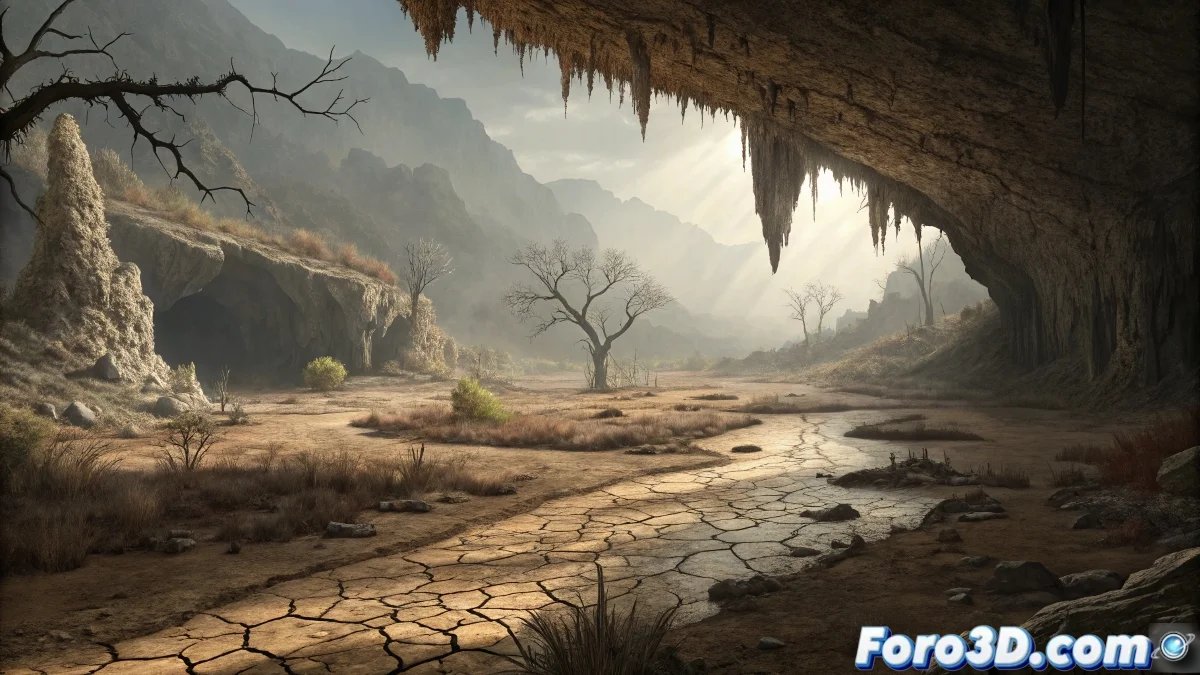
Each layer in these stalagmites is a page from the Mayan climate diary. Now we can read it with a temporal resolution of months, not centuries — explains the lead geoarchaeologist, while adjusting a shader on his workstation.
Workflow to Revive History
- Cave Modeling: Sculpt Mode in Blender for organic shapes
- Interactive Sediments: Dynamic Paint and particles for temporal accumulation
- Visual Analysis: Geometry Nodes to map climate data to geometry
- Educational Export: Packages ready for Unity and Unreal Engine
The result is so impactful that it allows "time travel" through critical periods, showing how wells dried up and crops failed decade after decade. A historical lesson rendered in 4K that reminds us that no civilization is immune to environmental changes.
So 3D designers and archaeologists: your keyboards are now time machines. Who would have thought that the combination of Python and Principled BSDF could solve millennial mysteries 🕰️✨.