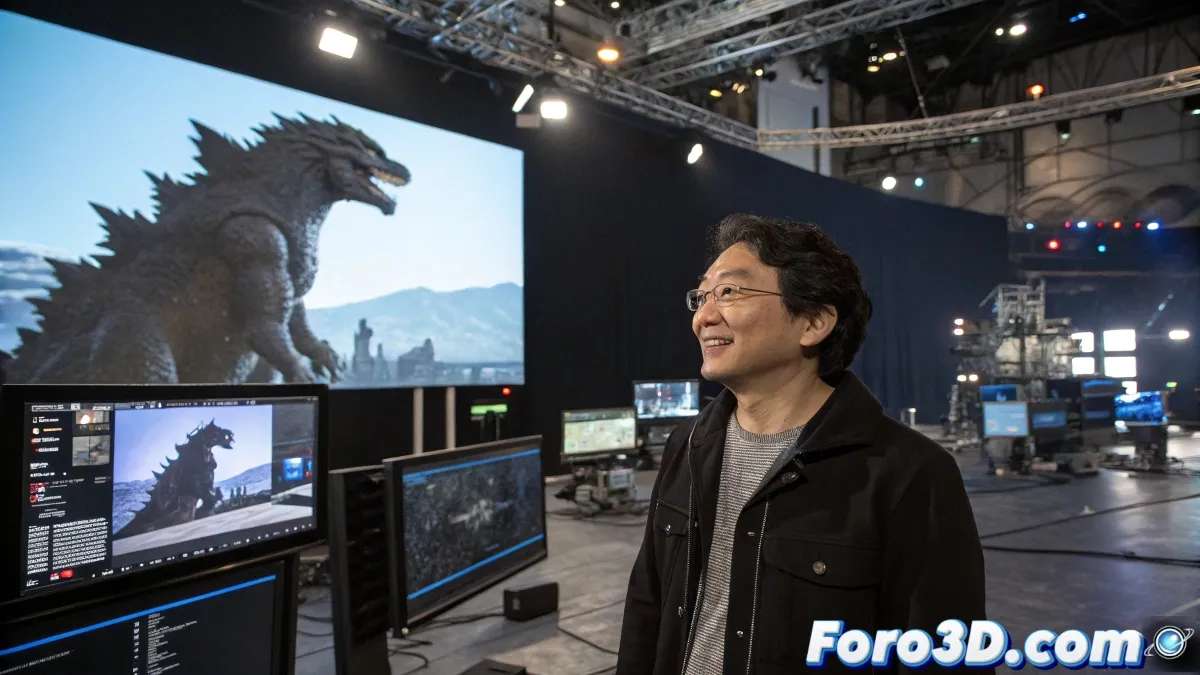
The Visual Art of Takashi Yamazaki
In the Japanese film industry, few names resonate as powerfully as that of Takashi Yamazaki. This visionary director has redefined the concept of visual effects, proving that they can be much more than mere spectacle. His approach to technology recalls how artificial intelligence is transforming current cinema: not as an end in itself, but as a tool in service of the narrative.
Godzilla Minus One: A Technological and Emotional Milestone
The success of Godzilla Minus One marked a turning point in Yamazaki's career. The film achieved something extraordinary:
- Humanization of the kaiju: It endowed the monster with psychological depth
- Innovative technique: It combined traditional methods with advanced CGI
- Emotional impact: It transformed a symbol of destruction into a tragic figure
This holistic approach earned him the Oscar for Best Visual Effects, solidifying his reputation as a master of the genre.

From Japan to Hollywood: Creative Expansion
Yamazaki's next project, Grandgear, represents his foray into American cinema. However, the director maintains his connection to Godzilla, working on new concepts for the franchise. This duality reflects his ability to navigate between different cinematic cultures without losing his creative essence.
"Yamazaki has demonstrated that visual effects can be visual poetry," commented Michael Dougherty during the VES Awards ceremony.

Technology in Service of Art
Yamazaki's methodology anticipated trends that are now common thanks to artificial intelligence. His work demonstrates how technology can:
- Enhance creativity: Without replacing the artistic vision
- Accelerate processes: Maintaining high quality standards
- Create new possibilities: Narratives and visuals
His legacy inspires a new generation of filmmakers who see technology as an ally for telling deeper and visually impactful stories.