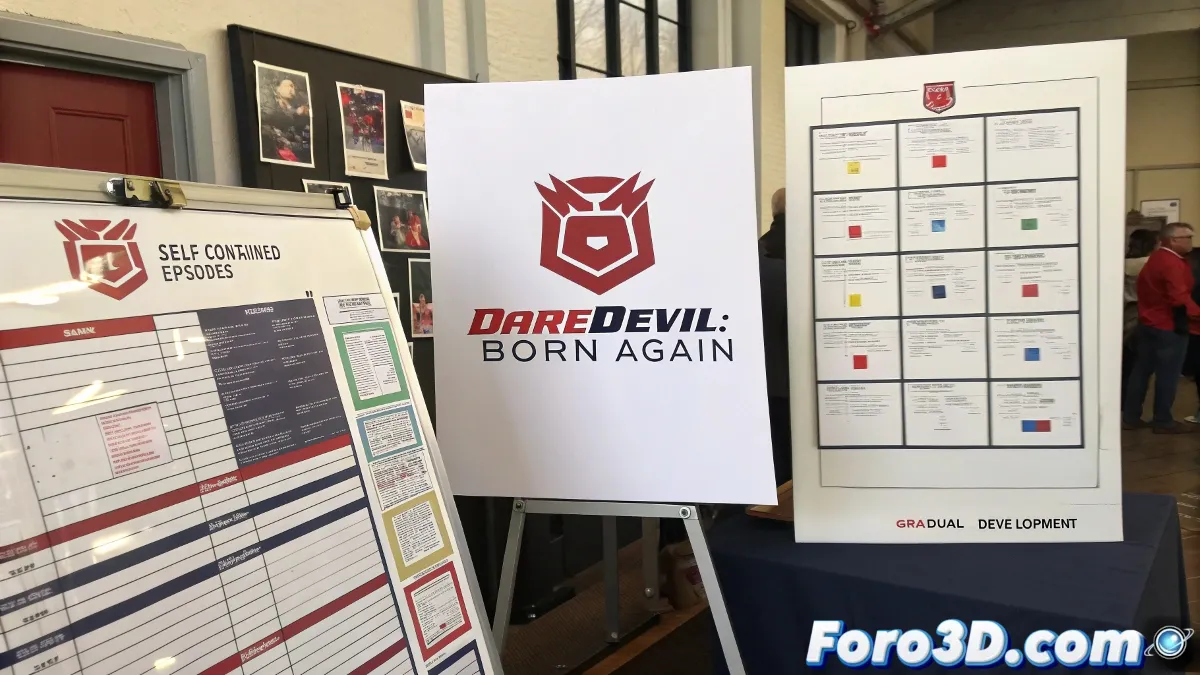
The Evolution of the Narrative Format in Marvel Series
The Marvel Cinematic Universe has undergone a notable transformation in its approach to television productions. During its first stage on Disney+, a model prevailed where series functioned as extensions of the movies, with continuous narratives that rarely allowed for autonomous episodes.
"The true magic of television lies in its ability to tell complete stories in compact spaces, something many modern series have forgotten"
The Contrast Between Two Narrative Approaches
While initial productions like Falcon and the Winter Soldier followed cinematic structures, Daredevil: Born Again represents a return to the fundamentals of the television medium:
- Episodes with specific conflicts and internal resolution
- Progressive character development through varied situations
- Chapters that function as independent narrative units
- Greater emphasis on emotional arcs than on connections to the MCU

The Importance of the Episodic Format
The traditional television structure offers unique advantages for serialized storytelling:
- Allows exploration of different facets of the characters
- Generates weekly anticipation with immediate resolution
- Facilitates the introduction of new elements without overloading the plot
- Creates more varied and dynamic narrative rhythms
A Paradigm Shift for Marvel
The approach of Daredevil: Born Again could mark a turning point in Marvel Television's creative strategy. By demonstrating that it is possible to maintain the coherence of the shared universe while respecting the essence of the television medium, the series establishes a valuable precedent for future productions.
This hybrid approach, which combines serialization with self-contained episodes, could become the new standard for MCU series, offering the best of both narrative formats.