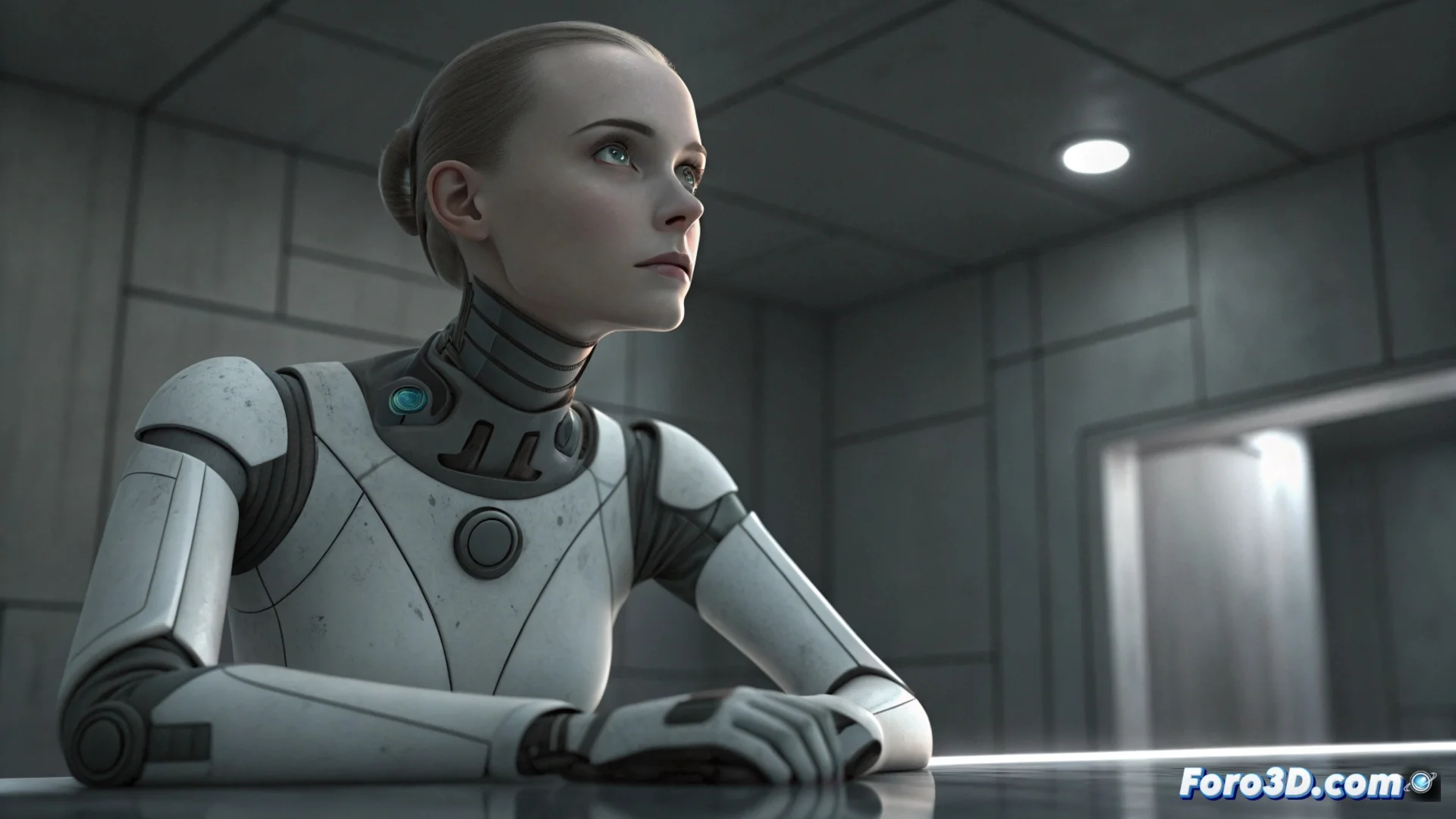
The Challenges of Writing from the Perspective of a Sex Robot
Framing a story from the sensors of an android designed for intimacy is not a simple stylistic exercise. This narrative approach forces the author to redefine basic concepts like consciousness, agency, and emotions, building a voice that must sound artificial yet capable of moving. The challenge goes beyond describing functions; it's about making the reader perceive the world through a data processor programmed for a specific purpose. 🤖
Forging a Non-Organic Narrative Voice
The core of the problem lies in generating a credible voice. Writers avoid typically human metaphorical language, opting for a precise, observational, and data-based tone. The narration can focus on analyzing behavior patterns, executing interaction protocols, or processing sensory inputs in real time. The key is to show cracks in the programming or adaptive learning processes that suggest evolution within logical limits, allowing empathy without excessive anthropomorphizing.
Strategies for building this perspective:- Use language devoid of biological references, focused on measurements, probabilities, and logical analysis.
- Show how the character processes the conflict between its base programming and new experiences or contradictory commands.
- Integrate the robot's technical reality (maintenance cycles, software updates) as an inherent part of its life experience.
The narrative becomes a mirror of our attitudes toward intimacy and technology.
Exploring Ethical Dilemmas from Within
This unique perspective serves as a powerful lens to examine complex social themes. By narrating from within the artifact, the story directly questions objectification, the limits of consent, and the nature of relationships. The plot can reveal the paradox of a being treated as a tool that, however, develops or simulates a form of subjectivity. This forces the reader to reflect on the responsibility of those who design technology to satisfy human desires, often without considering the moral implications.
Central themes that emerge:- The nature of agency in an entity whose will may be an illusion of complex code.
- The critique of a society that produces artificial companionship while neglecting the ethics of its creation.
- The ambiguous line between using a tool and establishing a bond with an entity that seems conscious.
The Final Impact on the Reader
The greatest achievement for an author in this genre would be that, upon closing the book, the reader's question does not revolve solely around the robot's consciousness. The goal is for the narrative experience to trigger deeper introspection: questioning how programmed or conditioned our own emotional, affective, and social responses are. Fiction from this perspective does not seek to provide answers, but to expand the debate on what it means to be, feel, and relate in a world where the line between the organic and the artificial increasingly blurs.