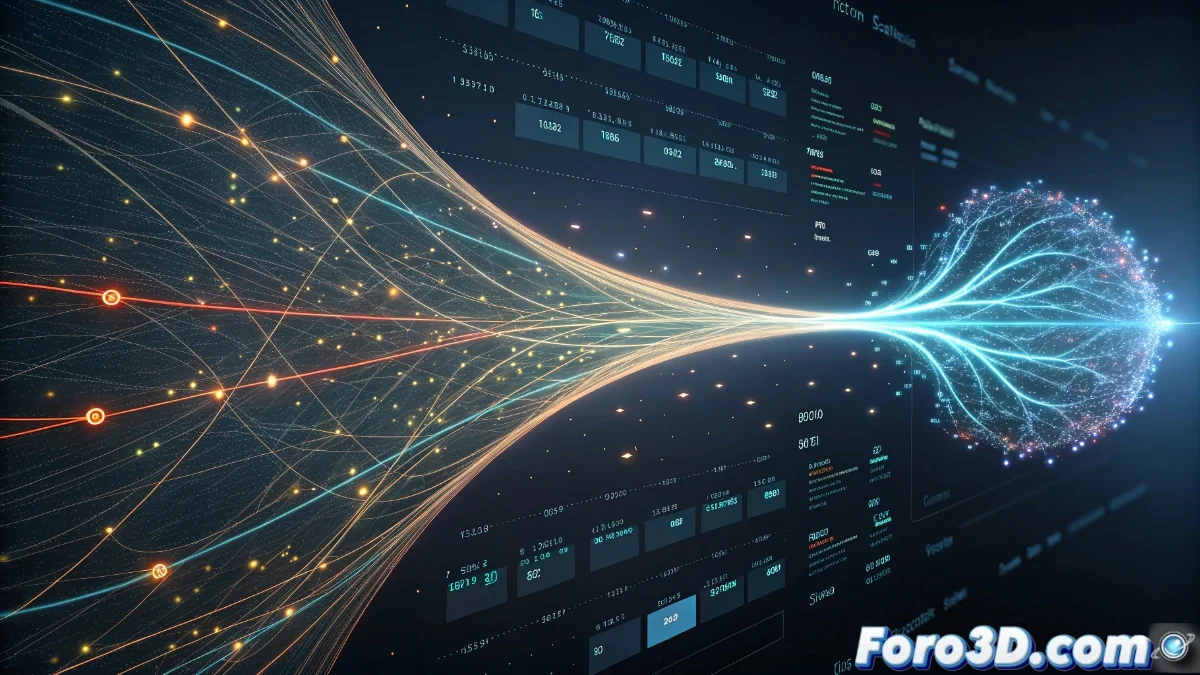
The Challenge of Training AI with Out-of-Policy Data
Artificial intelligence faces critical obstacles when trained with information that does not match the real distributions of the operational environment. This phenomenon seriously compromises the systems' ability to make accurate predictions in real-world applications. 🧠
The Problem of Divergent Distributions
Machine learning algorithms fundamentally rely on the quality and representativeness of the data used during their training phase. When these come from different policies than those the model will encounter in production, a systematic bias is generated that distorts all subsequent predictions.
Consequences of distributional mismatch:- Probes develop internal representations that do not align with operational reality
- Suboptimal decisions and unexpected behaviors occur in practical scenarios
- The system's reliability is directly compromised by this generalization gap
Systems designed to learn from experience fail precisely when they most need to adapt to new experiences
Impact on Predictive Performance
The discrepancy between training data and test data manifests multiple quantifiable negative effects. Evaluation metrics show sharp drops in accuracy and recall when models face distributions not seen during their development.
Manifestations of the problem:- Drastic drops in accuracy and recall metrics with unseen data
- Severely affected generalization capacity
- Overfitting to specific patterns of out-of-policy data
The Adaptive Paradox
It is paradoxical that systems created specifically to learn from experience fail precisely when they most need to adapt to new situations. It is comparable to a student who memorizes answers for an exam that will never come, while ignoring the real-world questions. This situation underscores the critical importance of aligning training data with real operational conditions. 🔄