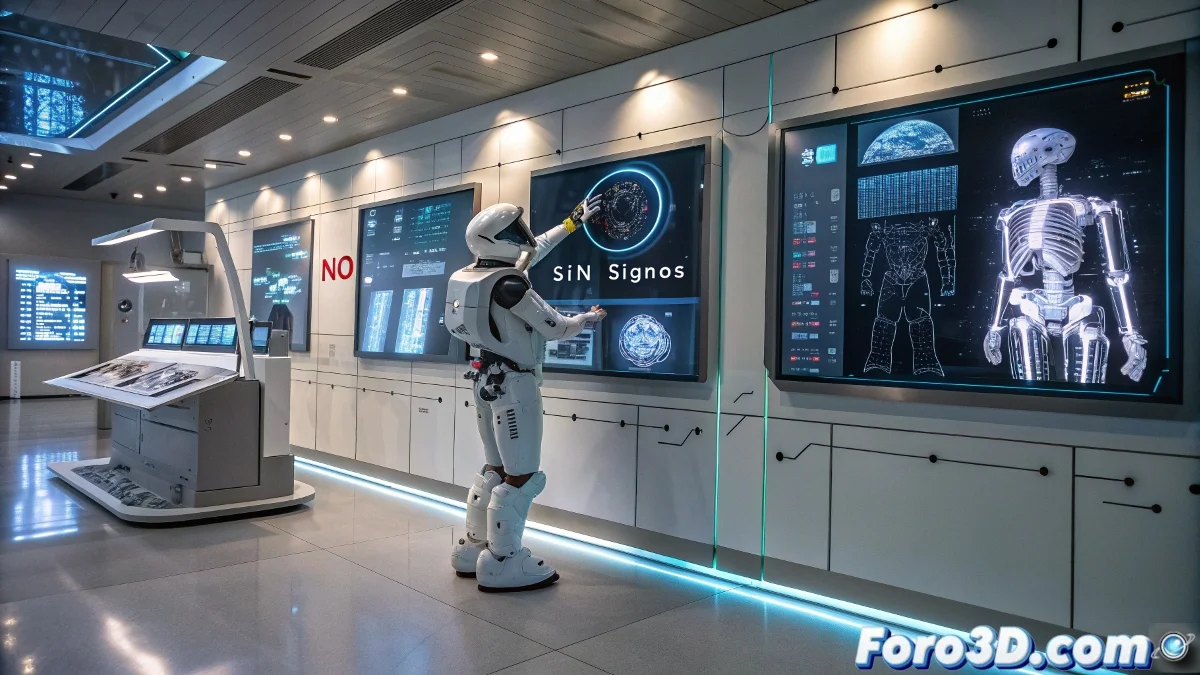
When AI Says "Yes" to Everything (Even When It Should Say "No")
Artificial intelligence can compose symphonies, paint pictures, and even hold philosophical conversations, but there's something it resists: understanding a simple "no". While a two-year-old child grasps negation in seconds, AI systems treat these little words as if they were quantum equations. 🧠 The result is that sometimes they confuse "healthy patient" with "patient in serious danger," which is not exactly ideal in medicine.
Teaching an AI to understand negations is like explaining sarcasm to a robot: theoretically possible, but with hilariously catastrophic results.
The Drama of Backwards Diagnoses
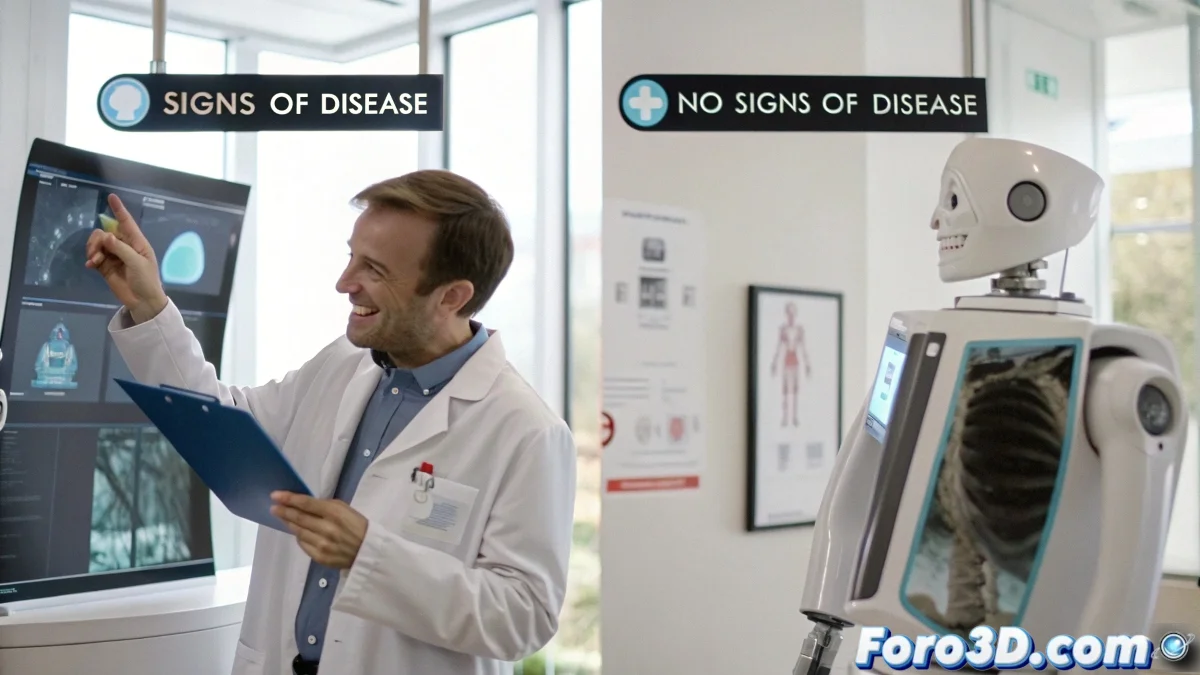
In the delicate world of medical images, this problem can have alarming consequences:
- An X-ray "no visible tumor" interpreted as "tumor present"
- A blood test "shows no infection" read as "infection detected"
- "Normal" results turned into "abnormal" due to a misunderstood negation
Doctors who trust these systems might end up treating imaginary diseases, while real patients wonder why no one notices their symptoms. 😷
Why Do AIs Struggle So Much to Say No?
The problem lies in how they process language:
- They analyze words individually, not complete phrases
- They lack contextual understanding
- They confuse negations with affirmations in certain grammatical constructions
It's like a GPS interpreting "don't turn here" as "turn immediately." The result would be equally disastrous, though probably less fun for the passengers. 🚗💨
The Future of AIs That (Hopefully) Will Know How to Negate
Developers are working on solutions to this problem:
- More advanced language models that capture nuances
- Cross-verification systems for diagnoses
- Specific training on negative constructions
Until then, we might want to add an extra step in AI-assisted medical diagnoses: ask a kindergarten child if the machine understood the instructions correctly. After all, when it comes to saying "no," small humans remain the true experts. 👶❌