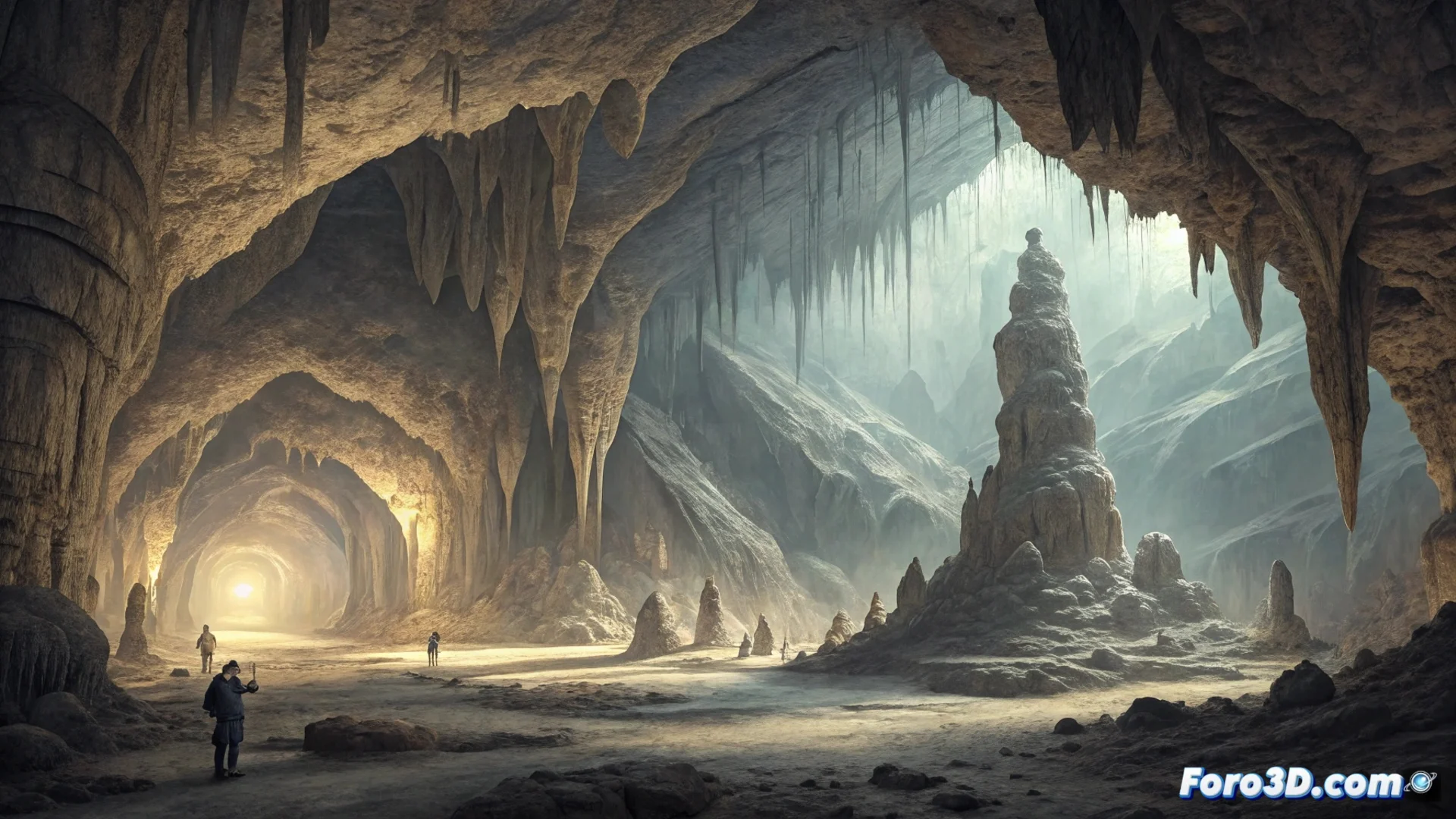
The Cave of the Güixas: Geology and Legends in the Pyrenees
In the heart of the Aragonese Pyrenees, near Villanúa in Huesca, hides the Cave of the Güixas. This site not only surprises with its complex karst system, but also with the weight of the popular traditions that envelop it. Oral history points to this space as an ancient refuge for witchcraft rituals, a tale that still today impregnates the experience of those who explore it. 🕯️
A Site Between Stone and Myth
The cave was formed by the action of water on limestone rock, creating a subterranean labyrinth of galleries and chambers. However, its fame transcends the purely geological. For centuries, the belief circulated that in its darkest depths witches and sorcerers gathered to celebrate their covens. It is said that the souls of those participants never left the place, merging with the very essence of the cave.
Elements that define the experience in the cave:- Karst formations: Stalactites, stalagmites, and columns that show the slow geological work over millennia.
- Legendary narrative: The persistent legend of the covens, transmitted as a fundamental part of the site's identity.
- Reported sensations: Many visitors report perceiving shivers, whispers, or presences, which feeds the aura of mystery.
If you hear whispers among the stalactites, it might be the echo of tourists... or the murmur of a witch who longs for the offerings of yore.
Exploring the Subsurface Today
Currently, it is possible to venture into this underground world through guided tours. These tours offer a unique balance: they explain in detail the scientific process that formed the spectacular calcite structures, while not avoiding mentioning the ancient stories of witches that give the place its name. The guides usually point out how the humid environment, total darkness, and the suggestive power of the stories can alter perception.
Key aspects of the guided tour:- Geological explanation: It details how water dissolves the rock and deposits calcium carbonate, creating the formations.
- Historical and folkloric context: Local legends are integrated into the tour narrative, offering a complete cultural vision.
- Sensory environment: The constant temperature, humidity, and strategic lighting create an immersive and sometimes unsettling atmosphere.
Where Science and Tradition Meet
The Cave of the Güixas represents a fascinating meeting point between the rigor of geology and the richness of folklore. While stalactites grow drop by drop, the legends of covens and witches endure in the collective memory. Visiting this place is, therefore, a double immersion: into the depths of the earth and into the depths of the imagination and Aragonese popular tradition. 🌌