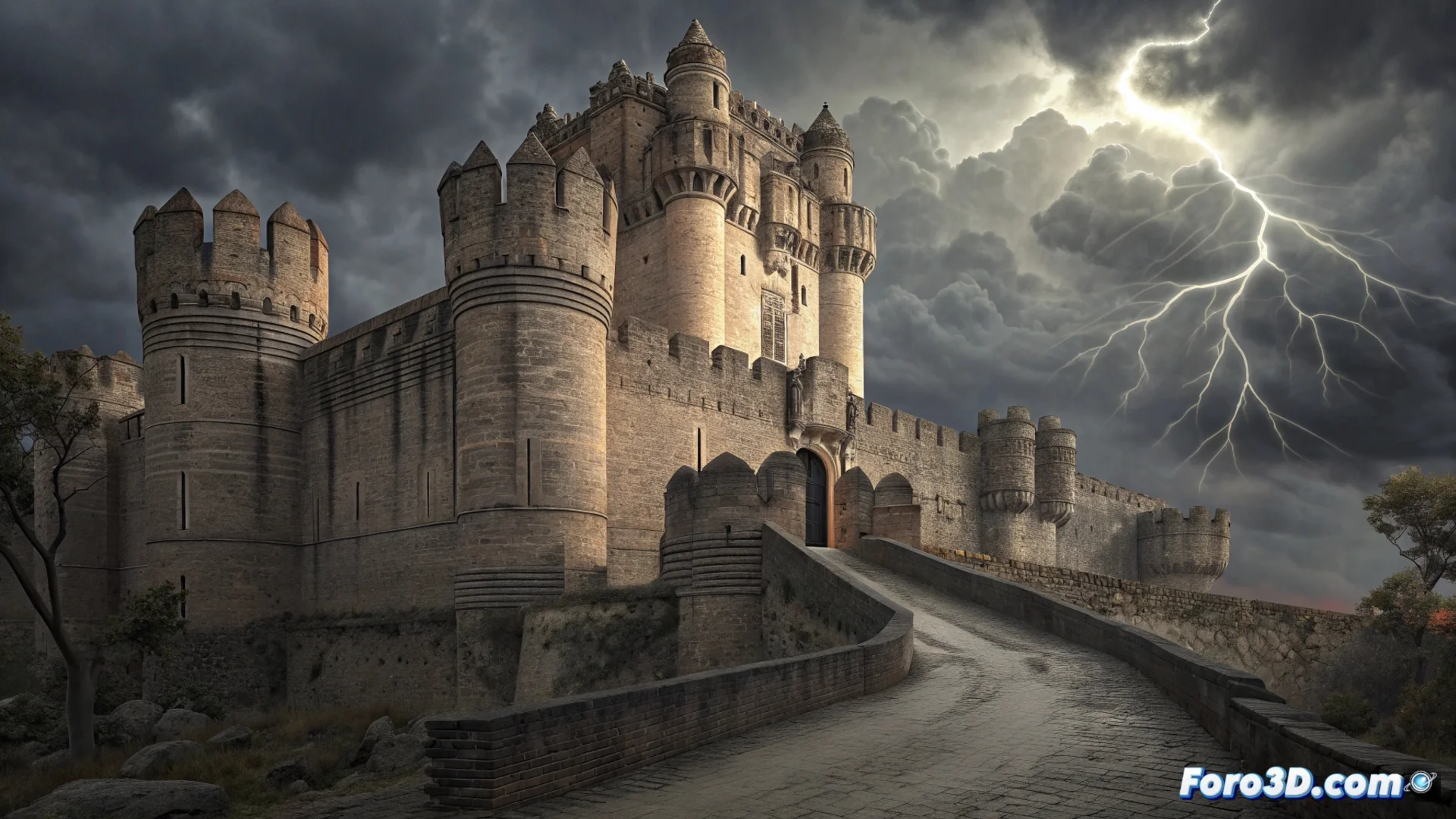
The Castle of Coca and the Legend of the Decapitated Noble
In the province of Segovia stands the Castle of Coca, a jewel of Mudéjar military architecture built entirely of brick in the 15th century. This national monument, which belonged to the powerful House of Alba, harbors within its walls a story of betrayal and a supernatural tale that endures to this day. 🏰
A Fortress with a Turbulent Past
The documented history of the castle points to Fernán Íñiguez de Coca as its administrator. Ancient chronicles recount that this noble committed acts of cruelty and treason, prompting King Henry IV of Castile to order his execution and decapitation. This verified historical fact is the seed of the unsettling legend that envelops the place.
Main features of the castle:- Architecture: Brick fortress in Mudéjar style, noted for its defensive design.
- Historical ownership: Belonged to the House of Alba before becoming a national monument.
- Crucial event: Execution of Fernán Íñiguez by royal order in the 15th century.
Oral tradition claims that the spirit of Fernán Íñiguez, or his head separated from his body, finds no rest.
The Ghost That Does Not Rest
According to oral tradition, the spirit of the decapitated noble, or just his head, wanders restlessly through the castle. It is said that he roams the passageways, towers, and battlements, with greater activity during storms. The popular tale suggests that he seeks a redemption he did not achieve in life, adding a layer of mystery to the already imposing presence of the building.
Elements of the legend:- Manifestation: Perceived in passageways and high areas of the fortress.
- Triggering condition: His presence is associated with stormy nights.
- Ghost's motivation: Seeking justice or redemption for his actions.
Visiting a Monument Between History and Myth
Currently, the castle houses a forestry training school and allows visits to part of its facilities. Tour guides usually mention the legend during tours, adding a component of mystery to the experience. Visitors can tour the courtyard, dungeons, and various rooms, while imagining past events. The defensive architecture, with its moat and walls, is complemented by this narrative that transcends the centuries. If you plan to visit on a stormy night, be prepared for more than rain; the legend suggests you might encounter an restless resident from the past. 👻