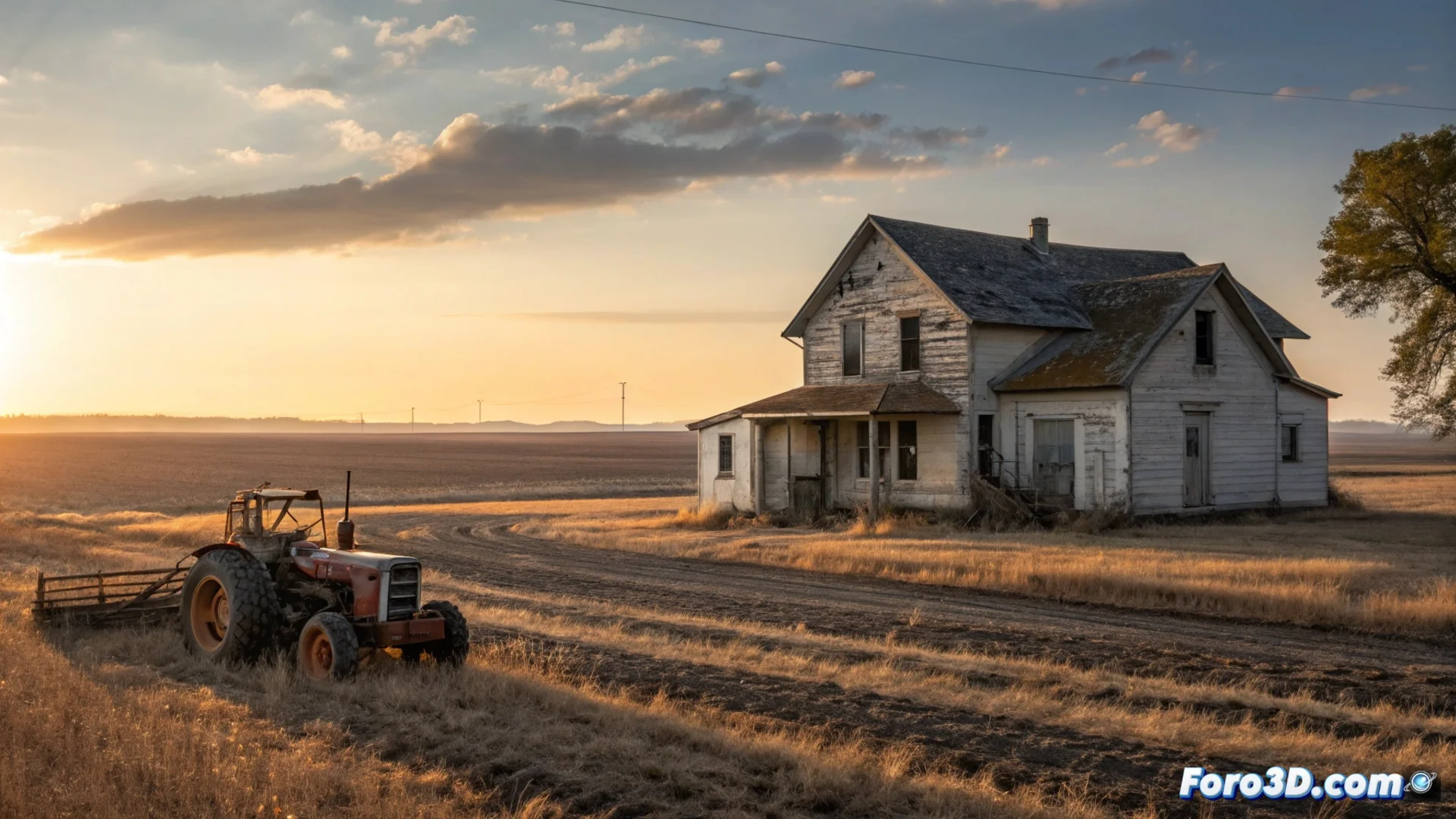
The CAP Accelerates the Closure of Small Agricultural Holdings
The mechanisms of the Common Agricultural Policy (CAP) are designed in such a way that, in practice, they end up favoring large agricultural holdings. This distribution model, which relies on criteria such as historically cultivated land area, fails to balance the disadvantages faced by smaller-scale producers. The result is a process that concentrates land and empties the countryside of its traditional farmers. 🌾
The Economic and Social Impact in the Countryside
The consequences of this dynamic are measurable and profound. According to analyses from sector organizations, in recent years more than two hundred thousand jobs directly linked to this phenomenon have been destroyed. At the same time, it is estimated that the income that the countryside stops generating annually is between four thousand and six thousand million euros. This figure reflects the economic weakening suffered by rural areas and how productive fabric is lost.
Key Consequences of the Current Model:- Mass Job Loss: More than 200,000 jobs disappear in the primary sector.
- Decline in Agricultural Income: The countryside stops generating between 4,000 and 6,000 million euros annually.
- Rural Weakening: Regions lose economic capacity and population, accelerating depopulation.
By expelling small producers, the CAP undermines the social and environmental pillars it claims to protect.
A Model That Puts Sustainability at Risk
The current approach prioritizes producing on a large scale and seeking to maximize productivity, setting aside diversity and the territories' capacity to withstand crises. Many experts point out that, by forcing small farmers out, this policy contradicts its own objectives of social and environmental sustainability. The debate now centers on whether it is possible to reform the CAP so that it truly stops depopulation and supports those who maintain agriculture more tied to the territory.
Critical Points of the Reform Debate:- Productivity vs. Resilience: Scale is prioritized, harming the diversity of production models.
- Contradiction in Objectives: The policy weakens the social pillars it aims to defend.
- Future of the Reform: The key lies in redesigning subsidies to truly support family farming and rural development.
The Future of European Agricultural Policy
The next review of the CAP faces the challenge of correcting these distortions. The central question is whether it will be able to include mechanisms that value and actively protect small farmers, instead of cultivating the feeling of abandonment in already depopulated regions. The cycle of land concentration and disappearance of family holdings will only be broken with a profound change in the design of subsidies. The future of the European countryside depends on this decision. ⚖️